West Bank Fractured: Nablus Demolitions and Hebron Outpost Growth
As Israeli forces demolish Palestinian homes in Nablus, settlers clear land for a new outpost in Hebron, tightening control over the West Bank.
Dual Pressures in the West Bank: Demolitions in Nablus, Expansion in Hebron
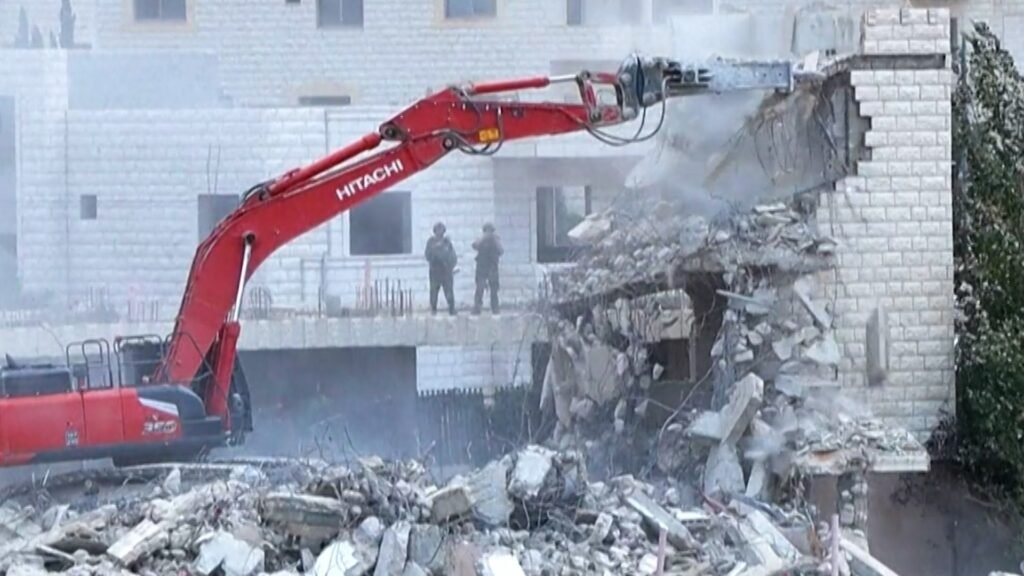
It was a day of stark contrasts in the occupied West Bank, but both events pointed to the same shifting reality on the ground. In the northern city of Nablus, Israeli bulldozers reduced Palestinian homes to rubble. Meanwhile, further south in Hebron, Israeli settlers were busy clearing land, preparing the foundation for a brand-new outpost. These simultaneous actions highlight an accelerating trend of land confiscation and demolition that is reshaping the territory.
Home Demolitions in Nablus
The operations in Nablus left several Palestinian families suddenly homeless. Israeli military forces entered the area with heavy equipment, cordoning off neighborhoods before commencing the demolitions. For local residents, the loss is devastating but far from surprising. Israel frequently carries out these demolitions, citing a lack of building permits. However, rights groups and Palestinian residents point out that securing such permits from Israeli authorities is nearly impossible for Palestinians in Area C—the 60 percent of the West Bank under full Israeli administrative and security control.
The impact of these demolitions goes beyond the immediate loss of shelter. Entire communities live under the constant threat of displacement. When a home is knocked down, it often takes a family’s lifetime savings with it. Neighbors watch in silence, knowing their homes could be next on the list. The policy has drawn repeated criticism from international observers who argue it constitutes collective punishment and violates international humanitarian law.
New Outposts in Hebron
While homes fell in Nablus, construction began in Hebron. Settlers used heavy machinery to clear tracts of Palestinian-owned land, marking the territory for a new outpost. Unlike official settlements, outposts are initially set up without formal authorization from the Israeli government. Despite their unauthorized status, these outposts often receive security protection from the Israeli military and eventual hookups to state water and electricity grids.
Hebron remains one of the most volatile flashpoints in the West Bank. It is the only Palestinian city where Israeli settlers live directly in the heart of the urban center, guarded by heavily armed soldiers. The establishment of a new outpost nearby further restricts the movement of local Palestinians, who already face a complex network of checkpoints, blocked streets, and closed military zones. For the farmers who owned the cleared land, the loss is permanent, cutting off access to olive groves and grazing pastures that have sustained families for generations.
A Coordinated Strategy
Observers say these events are not isolated incidents. Instead, they represent a highly coordinated strategy to consolidate control over the West Bank. By dismantling Palestinian structures while simultaneously greenlighting or tolerating settler expansion, the Israeli government gradually alters the demographic balance of the region. This dual pressure makes the prospect of a contiguous future Palestinian state increasingly difficult to envision.
The current Israeli government, which features prominent far-right ministers with close ties to the settler movement, has openly prioritized the expansion of these communities. Activists note that the pace of both demolitions and settlement construction has surged in recent months. With international attention largely focused on the conflict in Gaza, developments in the West Bank have accelerated with little outside interference.
The International Context
The vast majority of the international community views all Israeli settlements in the West Bank as illegal under the Geneva Conventions, which forbid an occupying power from transferring its civilian population into occupied territory. Israel disputes this, arguing the land is historically and politically contested, and claims a deep biblical connection to the area they refer to as Judea and Samaria.
As the dust settles in Nablus and the foundations are poured in Hebron, the gap between the two populations continues to widen. For Palestinians, the message is clear: their presence on the land is increasingly precarious, while the settler footprint is designed to be permanent.