Trump Slams Anti-Data Center Movement as Grid Fears Grow
Donald Trump has warned Americans against rejecting data centers, claiming the pushback helps China, despite growing fears over power and water use.
A Battle Over Power and Prosperity
President Donald Trump is urging American communities to roll out the red carpet for tech infrastructure, warning that rejecting data centers will leave local economies lagging behind. In a social media post, Trump criticized what he called the “anti-Data Center movement,” arguing that resistance to these massive facilities only benefits global competitors like China.
“The only reason that communities throughout the USA should not want Data Centers is if they want to end up being backwards and poor,” Trump wrote, pushing back against a growing wave of local skepticism. “If they want to be successful and rich, with far lower taxes and jobs all over the place, let Data Reign.”
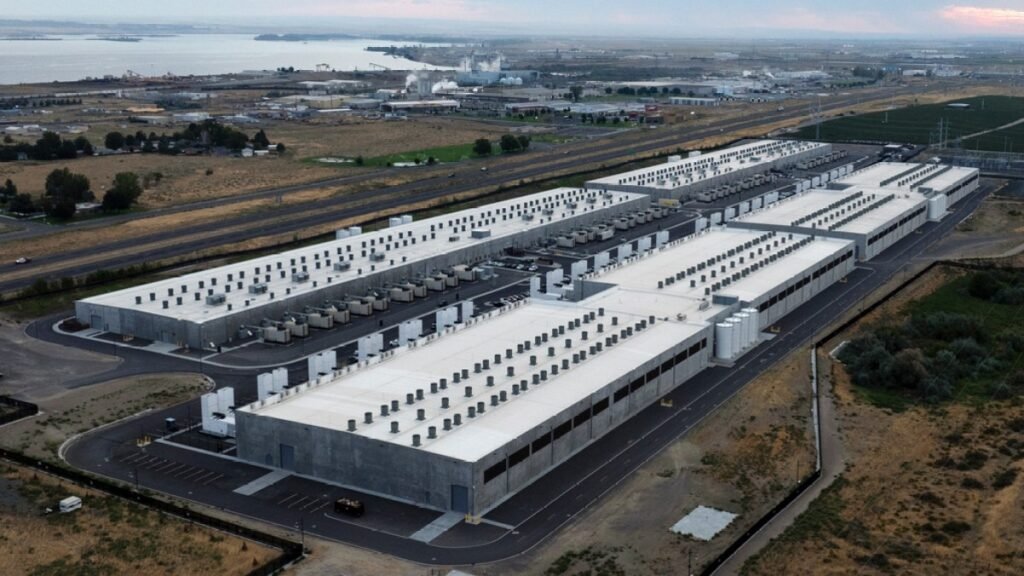
The president’s post comes at a tense moment. Across the United States, communities are grappling with the reality of hosting the physical backbone of the internet and artificial intelligence. These facilities are massive, noisy, and incredibly thirsty for resources. The debate is no longer just about tech; it has become a hot-button political issue crossing party lines.
The Grid Under Pressure
Data centers require astronomical amounts of electricity. As the race to develop advanced AI models heats up, tech giants are building larger hubs that put unprecedented strain on local power grids. Neighbors worry about blackouts. They also worry about their own wallets, fearing that the sudden spike in energy demand will drive up residential utility bills.
It is not just a power problem. Water is another flashpoint. Data centers rely on millions of gallons of water daily to cool down rows of hot, hard-working servers. In regions already facing severe droughts, environmental advocates say diverting water to tech farms is a recipe for disaster. Then there is the immediate local impact. Many residents living near existing sites complain about a relentless, low-frequency hum that never stops.
The public’s anxiety is clear. A Gallup poll from March showed that 71 percent of Americans oppose building AI data centers in their own neighborhoods. That is a massive majority, and politicians on both sides are taking notice.
Bipartisan Hesitation
The pushback is not limited to one political party. Even pro-business Republicans are starting to tread carefully. In Michigan, the debate has taken center stage in a high-profile Senate race.
Former Republican Congressman Mike Rogers recently backed a one-year freeze on new data centers in the state. His opponent, Democrat Abdul El-Sayed, has taken an even tougher stance. El-Sayed dismissed Rogers’ proposed temporary pause as weak, pointing out Rogers’ ties to Trump’s aggressively pro-tech platform.
El-Sayed is calling for an indefinite freeze. He argues that Michigan should block new centers until federal rules are established to protect the public. He wants guarantees that tech companies will fund grid upgrades, preserve local water supplies, protect consumers from bill hikes, and hire union labor.
A Split Within the Administration?
The Trump administration has generally favored a light-touch regulatory approach. Officials have promoted a voluntary pledge where tech firms promise to cover the costs of their own energy consumption. But consumer groups say voluntary promises are not enough to protect everyday rate-payers.
Interestingly, Vice President JD Vance offered a slightly different take on the issue, showing he is sensitive to local concerns. Vance acknowledged that while these facilities are crucial for the future of the AI economy, the tech industry needs to do more to carry its own weight.
“If you build a data center, you should be putting power back into the grid, not taking it out,” Vance said on Monday. He suggested that if companies build their own power stations to offset their massive draw, public anger would quickly fade. “If that is happening, I don’t think data centers are that controversial.”
For now, the tension remains. Trump wants fast growth to beat China, while local residents and regional politicians are left wondering who will pay the price when the lights go out.