Wayne County Launches Mobile Clinics for Rising RSV and Flu
Wayne County Health Director Dr. Abdul El-Sayed is deploying mobile clinics to bring flu and RSV vaccines directly to Detroit-area neighborhoods.

Bringing Healthcare Directly to the Streets
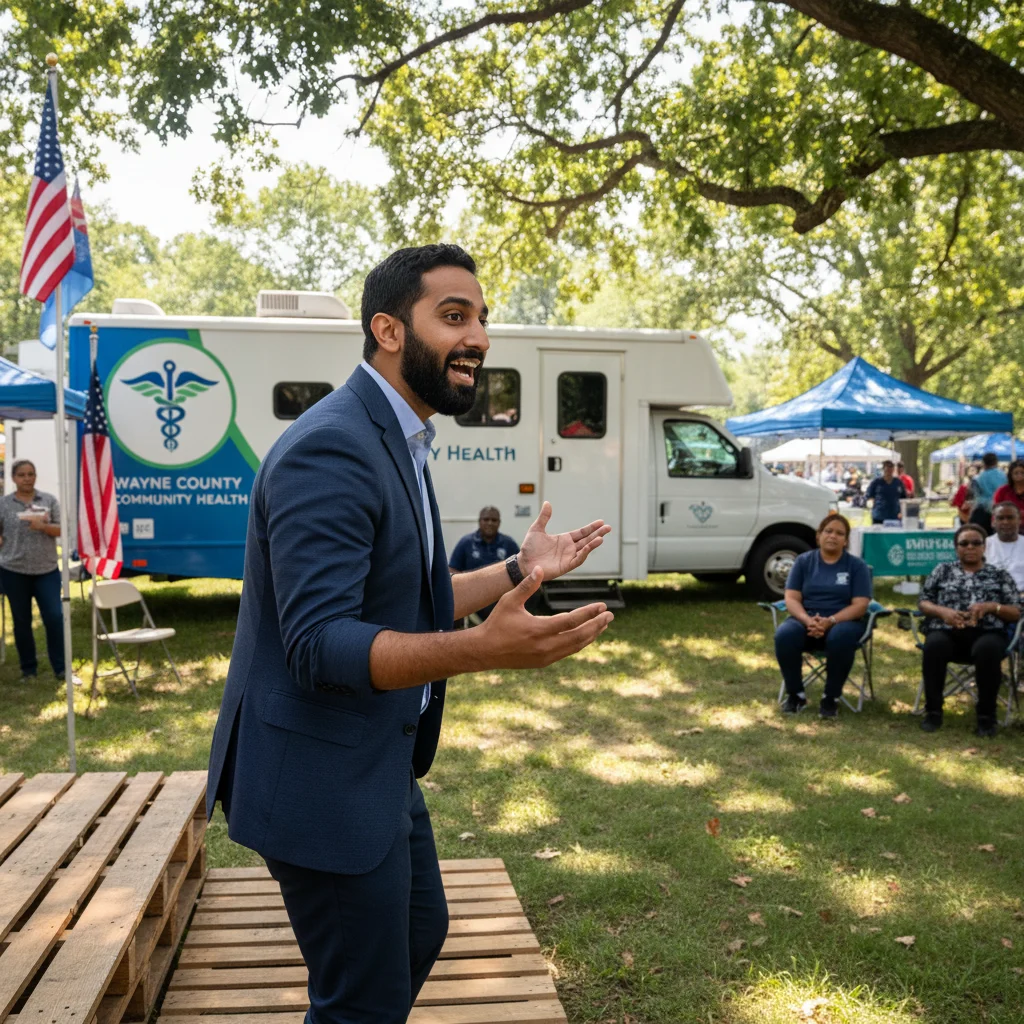
Winter is coming to Michigan, and health officials in Wayne County are not waiting for the emergency rooms to fill up. Dr. Abdul El-Sayed, the county health director, has just rolled out a new strategy to tackle the seasonal onslaught of respiratory viruses. It is a fleet of mobile health clinics designed to bring critical vaccines and preventive care directly to the doorsteps of vulnerable Detroit-area residents.
The move comes as public health data shows a worrying uptick in both influenza and respiratory syncytial virus (RSV) cases across Southeast Michigan. Instead of expecting families in underserved neighborhoods to navigate a complex medical system, the county is taking the medicine to them.
“We cannot protect a community if they cannot get to us,” El-Sayed said during a launch event this week. “We have to meet people where they are, physically and emotionally.”
Targeting the Most Vulnerable Neighborhoods
The strategy focuses heavily on areas with historically low vaccination rates and limited access to primary care. Communities like Highland Park, Hamtramck, Inkster, and parts of outer Wayne County are top priorities. In these neighborhoods, a simple trip to the doctor can be a major hurdle. Reliable transportation is scarce, and many residents do not have a primary care physician.
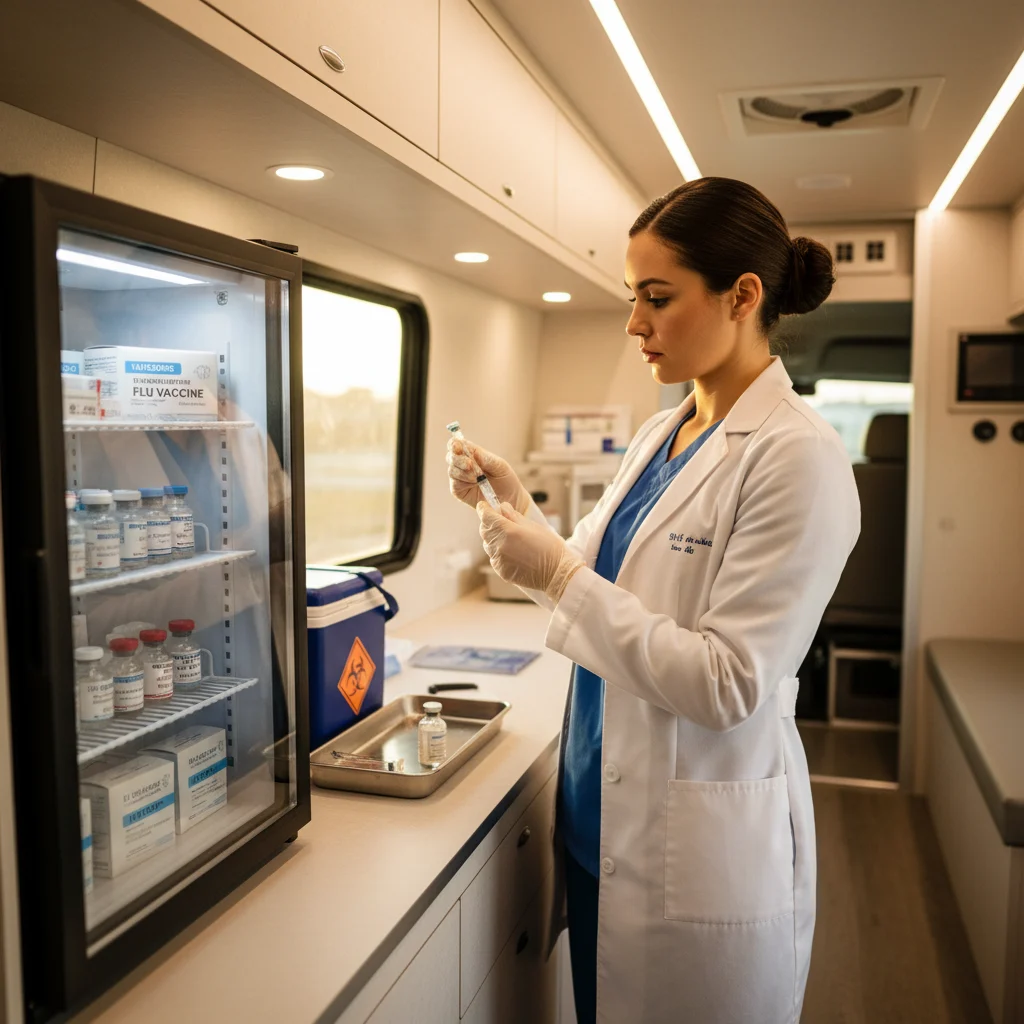
For a working parent, getting a child vaccinated often means taking multiple buses, missing half a day of work, and losing vital income. The mobile units remove these barriers. The vans will park outside familiar, trusted locations: local schools, churches, food pantries, and busy strip malls. If you are picking up your kids from school or grabbing groceries, you can step inside a warm van and get vaccinated in under ten minutes.
The Threat of the ‘Triple Threat’
Health officials are particularly concerned about RSV, a common virus that can be highly dangerous for infants and elderly adults. It causes fluid to build up in the lungs, making it incredibly hard to breathe. Last winter, hospitals across Michigan faced a severe shortage of pediatric intensive care beds because of a simultaneous surge of RSV, influenza, and COVID-19. Wayne County wants to prevent a repeat of that crisis.
The timing of this mobile initiative is deliberate. RSV cases typically start to climb in late autumn and peak during the freezing months of January and February. By starting the mobile clinics now, the county hopes to build up a wall of community immunity before the worst of the cold weather hits.
Get Free $500 Amazon Gift Cards
What Happens Inside the Vans?
These mobile clinics are essentially modern medical offices on wheels. They are staffed by registered nurses, nurse practitioners, and community health workers who know the neighborhoods they are serving. The clinics offer several essential services free of charge:
- Annual influenza vaccines tailored for the current season’s strains.
- The newly approved RSV immunizations, including monoclonal antibody treatments for infants.
- Updated COVID-19 booster shots to combat emerging variants.
- Basic health screenings, including blood pressure checks and blood sugar testing.
- On-the-spot rapid testing for flu and COVID-19 for symptomatic visitors.
Crucially, no one is turned away. Visitors do not need health insurance, proof of citizenship, or a driver’s license to receive care. The goal is complete accessibility.
Building Trust Over Needle Pricks
But logistics are only half the battle. The health department also has to fight skepticism and medical distrust, which run deep in many marginalized communities. To combat this, the county is partnering with local pastors, neighborhood leaders, and community organizers. These local figures help get the word out and assure residents that the mobile clinics are safe and free.
The staff on the vans are trained to prioritize conversation over speed. They take the time to answer questions, explain side effects, and debunk common myths about vaccines. It is about building long-term relationships, not just checking boxes.
An Investment in Prevention
Funding for the mobile clinic program comes from a combination of federal pandemic-era grants and local county public health funds. Critics sometimes question the cost of mobile operations, but public health experts argue that prevention is always cheaper than emergency care. A single ICU stay for an infant with RSV can cost tens of thousands of dollars and place a massive burden on families and insurers alike. In contrast, a free vaccine given in a parking lot costs next to nothing.
As the first frost settles on Detroit, Wayne County’s mobile health vans are already rolling out to their first stops. The initiative represents a shift toward proactive, community-centered public health. If successful, it could serve as a blueprint for how local governments tackle seasonal health crises in the future.
“Your zip code should not dictate whether your children can breathe safely this winter,” El-Sayed said. “This is not just about medicine; it is about basic fairness.”