Turkey Quiets Egyptian Exiles to Rebuild Ties With Cairo
Once a safe haven for Egyptian dissidents, Istanbul is pushing out Muslim Brotherhood media figures as Turkey seeks a massive economic truce with Cairo.
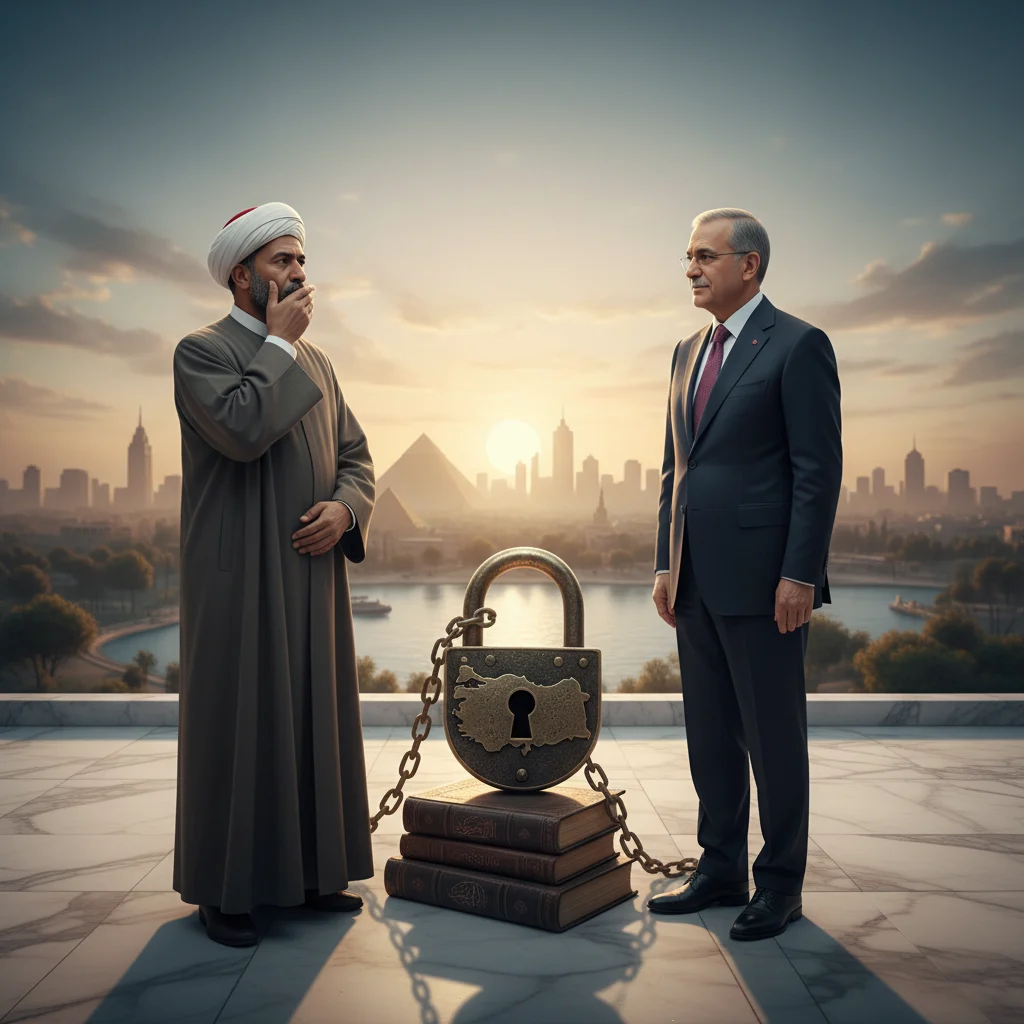
For nearly ten years, the bustling, historic neighborhoods of Istanbul felt like a second home to hundreds of Egyptian dissidents. After the Egyptian military ousted President Mohamed Morsi in 2013, Turkey’s President Recep Tayyip Erdogan welcomed the fleeing members of the Muslim Brotherhood with open arms. He gave them residency, passports, and a powerful platform. Dissident satellite channels broadcasted fierce anti-Sisi rhetoric daily from state-of-the-art studios overlooking the Bosphorus. But those days are over. The political winds in Ankara have shifted, leaving hundreds of exiled journalists and activists out in the cold.
The quiet campaign to push out these media figures has accelerated dramatically over the last year. It is the direct result of a major foreign policy U-turn. Facing a domestic economic crisis, rampant inflation, and regional isolation, Erdogan decided to mend fences with his former rivals. Chief among them is Egyptian President Abdel Fattah al-Sisi. To secure this reconciliation, Cairo demanded a steep price: silence the critics. Ankara was more than willing to pay it.
A Sudden Quiet in the Studios
The change did not happen overnight, but it came fast enough to shock those who thought they were safe. First came the warnings. In 2021, Turkish officials quietly visited the offices of prominent opposition channels like Al-Sharq, Watan, and Mekameleen. The message was clear. Tone down the criticism of the Egyptian government, or face the consequences. Talk shows that once blasted Sisi’s administration daily suddenly shifted their focus to neutral regional topics.
When soft censorship proved insufficient, the Turkish government took harsher measures. Several channels were forced to halt broadcasting from Turkish soil entirely. Mekameleen, one of the most popular opposition networks, announced it was closing its Istanbul headquarters and relocating its operations elsewhere, eventually scattering its staff across Europe and the Gulf. High-profile TV hosts, including Moataz Matar and Mohamed Nasser, were told they could no longer broadcast or even post political commentary on their personal social media accounts while living in Turkey. Matar eventually left the country, searching for another safe harbor.
For those who remained, the legal ground quickly dissolved. Turkish authorities began refusing to renew residency permits for Egyptian media workers and political activists. Some were quietly detained, while others received explicit orders to leave the country within weeks. For individuals facing severe prison sentences back home in Egypt, these actions created a sense of profound panic.

The Price of Friendship with Cairo
Why did Turkey sacrifice its role as a sanctuary for the Arab spring’s exiled voices? The answer lies in simple economics and geopolitical pragmatism. Turkey’s economy has been battered by years of soaring inflation and a plummeting lira. Ankara desperately needs foreign investment and new trade opportunities. Normalizing relations with Egypt opens up a massive market of over 100 million people.
Get Free $500 Amazon Gift Cards
The diplomatic thaw culminated in a historic moment in early 2024. Erdogan traveled to Cairo for the first time in over a decade to meet Sisi. The two leaders, who had once traded bitter public insults, shook hands and spoke warmly of a new chapter in bilateral relations. They set an ambitious target to boost bilateral trade to $15 billion within the next few years. They also discussed energy deals in the eastern Mediterranean, a region where Turkey had previously found itself deeply isolated.
“We are bound by shared history and culture,” Erdogan declared during his visit to Cairo. It was a stark contrast to his past declarations, when he frequently used the four-finger Rabaa gesture—a symbol of resistance against Sisi’s military takeover—at his political rallies. Today, that gesture has vanished from Turkish state television.
No Place Left to Run
The sudden betrayal has left the exiled Egyptian community in Turkey feeling deeply vulnerable. Many had built lives in Istanbul, buying apartments, starting small businesses, and sending their children to local schools. Now, they are packing their bags once again.
Human rights organizations have raised concerns about the fate of those who cannot find third countries willing to accept them. While Turkey has not openly deported high-profile figures directly back to Cairo—where they would face almost certain imprisonment or worse—the pressure to leave amounts to de facto deportation. Many have fled to countries like Canada, the United Kingdom, or various Southeast Asian nations. Others remain in Turkey in a state of legal limbo, hiding in plain sight and terrified of the knock on the door.
This policy shift represents a broader trend in the Middle East. The era of ideological foreign policy, fueled by the idealistic hopes of the 2011 uprisings, has officially given way to cold, hard realism. For the Egyptian dissidents who once believed Istanbul would protect them forever, the lesson is painful. In the grand game of regional diplomacy, dissidents are highly tradeable currency.