Fortnite Battle Pass Skins Hit Item Shop, Sparking Huge Fan Debate
Epic Games has officially brought the first wave of eligible Battle Pass skins to the Fortnite Item Shop, ending years of strict exclusivity.
Fortnite’s virtual storefront is undergoing its biggest identity crisis in years. For the first time, Epic Games has started selling cosmetics that were previously locked away behind the game’s seasonal Battle Pass system. The move marks the end of an era. For nearly a decade, the rules of Fortnite were clear: if you did not earn a Battle Pass skin during its designated season, you missed out forever.
That rule is officially dead.
The first wave of 2025 Battle Pass items has officially landed in the Item Shop, sending shockwaves through the community. This release follows a major policy shift Epic announced back in late 2024. Under the revised rules, items from Chapter 5, Season 4 and onward are no longer permanently exclusive. Instead, Epic reserved the right to bring them to the shop at least 18 months after their respective Battle Pass expired. Now, the timer has run out, and the floodgates are open.
The Community Splits Down the Middle
Predictably, the reaction has split the massive player base right down the middle.
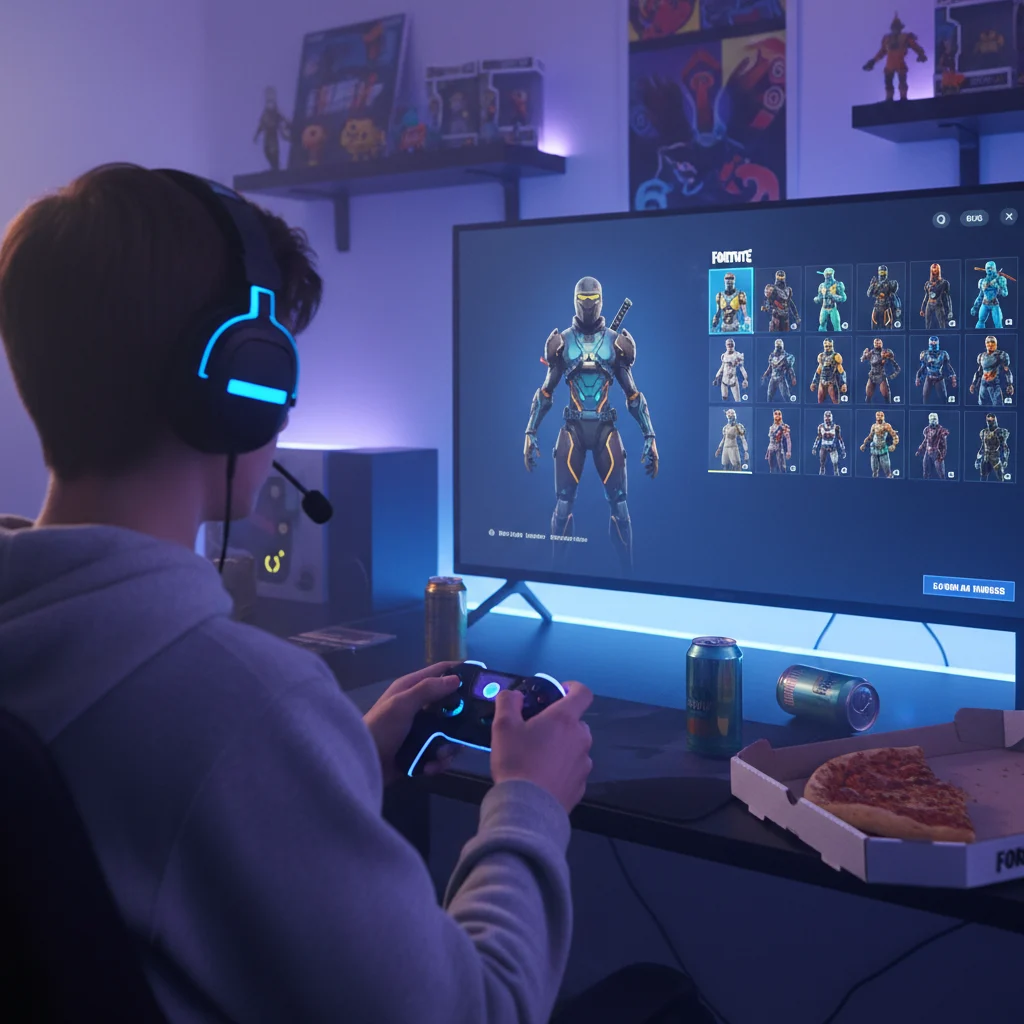
For casual fans and newcomers, the shop update feels like a massive win. For years, players who joined the game late complained about missing out on iconic collaboration skins and highly detailed original designs. Now, they finally have a path to acquire them.
“I didn’t start playing seriously until recently, so being able to buy these older skins is amazing,” says longtime player Marcus Vance, who closely tracks game updates. “Keeping cool designs locked away forever just to please a few gatekeepers never made sense to me.”
On the other side of the debate are the collectors and long-time grinders. To these players, Battle Pass skins were more than just digital outfits. They were trophies. Wearing a rare skin from a past season was a way to show off your history with the game. It proved you put in the hours and completed the challenges back when the content was live.
The Loss of Digital Prestige
Critics of the change argue that Epic has stripped away the prestige of these items. Many feel the sense of accomplishment has been diluted.
“The grind feels completely pointless now,” one user lamented on a popular Fortnite community forum. “Why spend weeks leveling up a pass when I can just wait and buy the skin directly from the shop later? It ruins the feeling of having something rare.”
The Economics of the Grind
Epic Games, however, anticipated this backlash. When they first announced the policy change, they highlighted a key detail that still gives Battle Pass buyers a massive advantage: pricing.
A standard Fortnite Battle Pass costs 950 V-Bucks, which is around $9, and offers over a hundred rewards. These rewards include multiple skins, back blings, gliders, and even enough V-Bucks to purchase the next pass for free. It is an incredibly efficient system for active players.
In contrast, buying just one of these returning skins in the Item Shop costs anywhere from 1,200 to 2,000 V-Bucks. Epic is betting that this massive price difference will keep players engaged with the seasonal grind, even if the absolute exclusivity is gone. For active players, the pass remains an unbeatable bargain.
A Lucrative Business Decision
There is also a commercial reality to consider. Fortnite relies heavily on high-profile collaborations with Disney, anime franchises, and musicians. Licensing these massive intellectual properties is expensive. Locking these highly demanded characters away forever after a three-month window was simply leaving millions of dollars on the table.
By bringing them back to the shop, Epic can continue to monetize past investments while satisfying players who missed the initial release windows. It keeps the revenue flowing while making the game more accessible to late adopters.
As the first wave of 2025 skins settles into the shop, the dust is far from settling. The debate highlights a fundamental clash between two different types of players: those who value exclusivity and prestige, and those who prioritize accessibility and choice. For now, Epic is moving forward with its new model. The era of permanent exclusivity is over, and Fortnite’s digital ecosystem will never be the same.