How AI Tracker Tools Are Changing FNCS Strategy
Discover how competitive Fortnite players are using Fortnite Tracker’s new real-time AI to perfect their drop spots and rotations during the October 2026 FNCS.
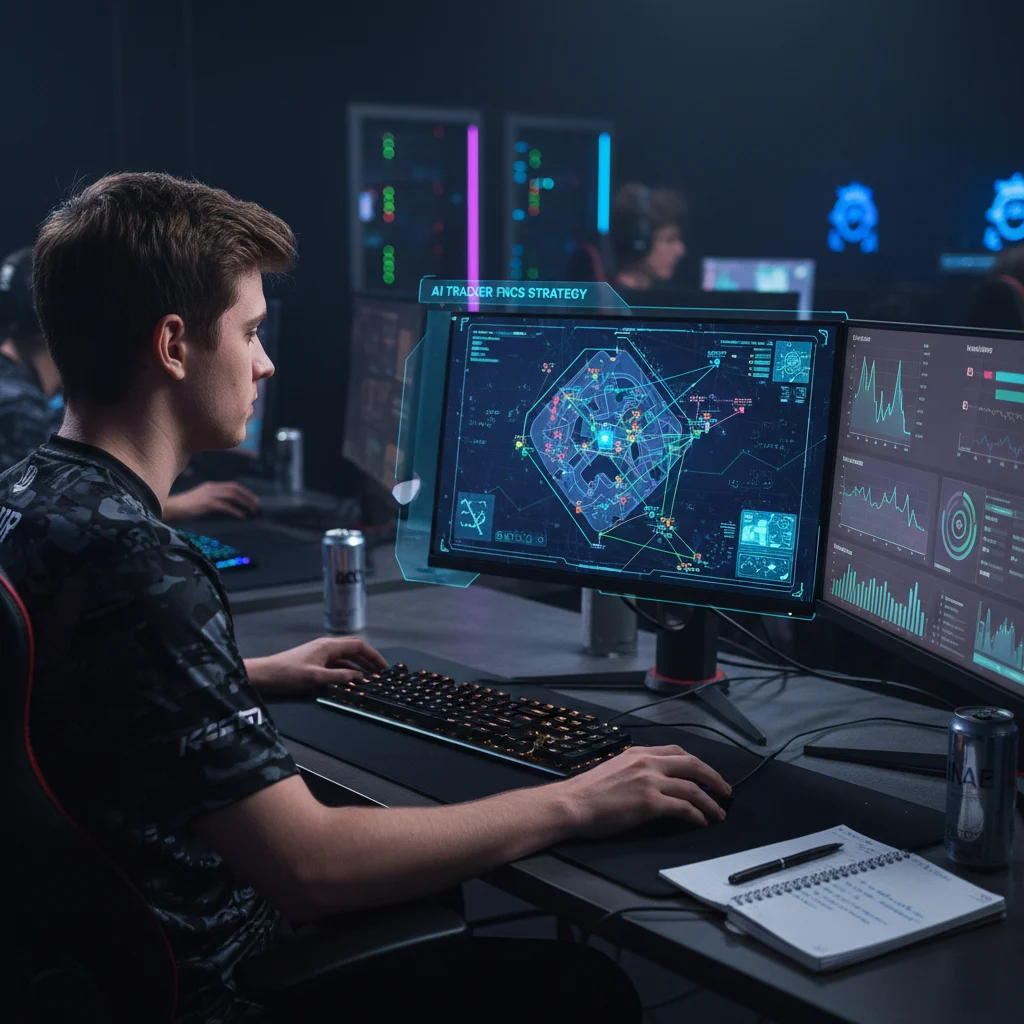
The October 2026 Fortnite Champion Series (FNCS) is underway, and the stakes have never been higher. Millions of dollars are on the line. But this season, the biggest battle isn’t just happening on screen. It’s happening in the data. Competitive duos and their coaching staffs are leveraging a powerful new tool: Fortnite Tracker’s recently launched real-time AI performance metrics.
For years, competitive Fortnite relied on post-game VOD reviews. Coaches would spend hours scrubbing through video, manually plotting enemy paths, and guessing why a rotation went wrong. It was slow. It was tedious. Now, that process takes seconds. With the new AI integration, teams can see exactly how their drop spots and mid-game rotations stack up against the rest of the lobby in real time.
The Fight for the Best Drop Spots
Drop spots are the foundation of any Fortnite match. Landing at a high-tier loot location is always a calculated risk. The tracker’s new tool analyzes historical landing data, spawn rates, and immediate threat levels to give players a survival probability score the moment they hit the ground.
If a duo notices their success rate drops below 40% when another team contests them, they can make the call to pivot to a backup spot for the next game. That level of flexibility was once impossible. Players used to stick to their drop spots out of sheer stubbornness or fear of the unknown. Now, the hard data makes the decision for them.
Real-Time Rotation Tracking
But surviving the drop is only half the battle. The mid-game is where FNCS matches are won or lost. This is where rotation analysis comes in. As the storm shrinks, sixty players often crowd into tiny zones. Finding a safe path through this chaos is incredibly difficult. This October’s tournament has been particularly brutal, with a map featuring several high-altitude choke points and wide rivers that make rotation incredibly risky.
The AI metrics map out these movements dynamically. It tracks how long a team takes to rotate, how much damage they take on the move, and which paths yield the highest survival rates. It even calculates lobby congestion heatmaps. This shows players where the heaviest fighting is likely to occur based on where everyone else landed.
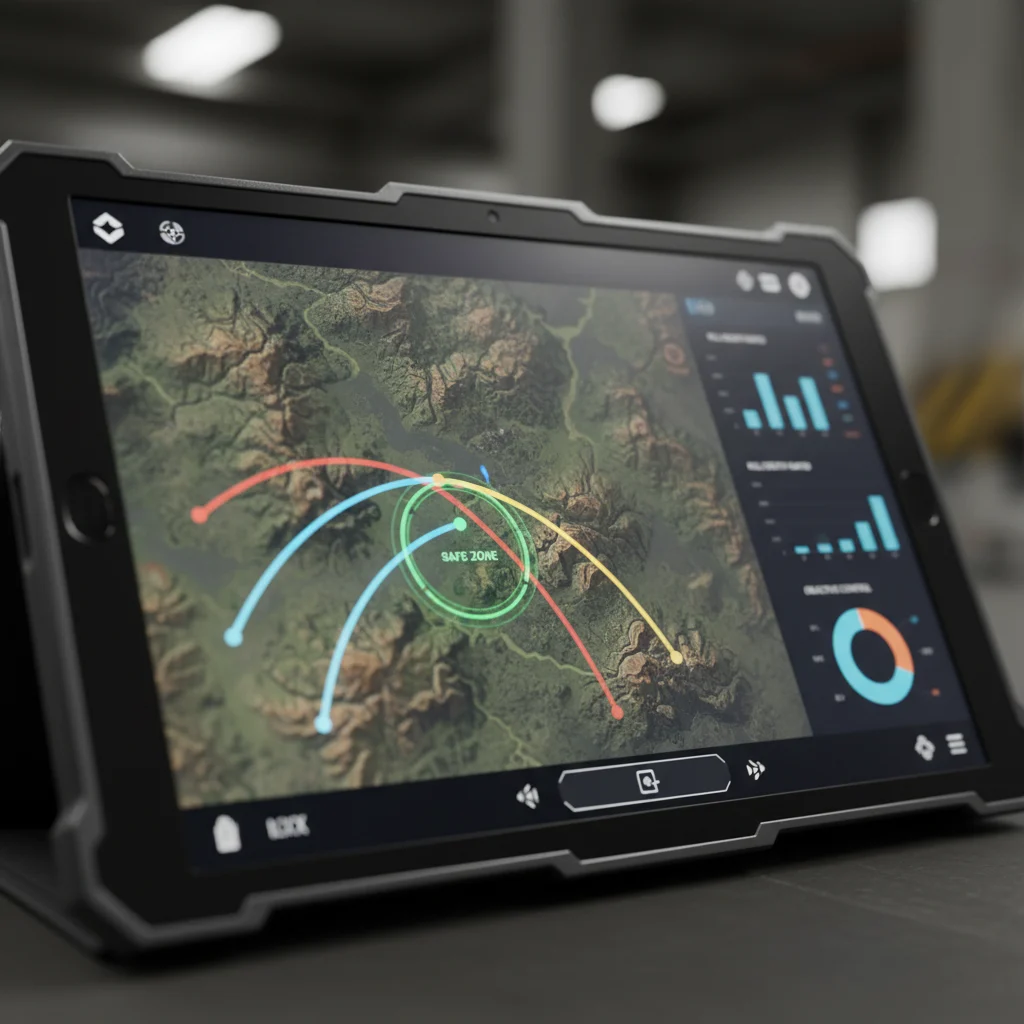
- Dynamic heatmap tracking to avoid highly congested choke points.
- Real-time damage-taken metrics during rotations.
- Survival probability updates based on storm circle shifts.
How Coaches Are Using the Data
“It completely changes how we prep between matches,” says Marcus “Vortex” Bennett, a veteran analyst working with several top-tier European duos this season. “During a live tournament, you have maybe fifteen minutes between games. You can’t watch ten different perspectives in that time. But with the tracker’s AI, I can instantly see our drop-spot survival rate and look at a map of where we got pinched.”
“We realized we were taking too many early fights on the southern edge of the map,” Bennett explains. “The AI showed us that our rotation route had a 70% chance of running into a third-party fight. We shifted our pathing just slightly to the west, and our placement points skyrocketed in the next three games.”
The Community Debate
This technological leap hasn’t come without debate. Some purists argue that real-time data takes away from the raw, instinctual nature of Battle Royale games. They worry that Fortnite is becoming too clinical, where algorithms replace split-second human decision-making.
Others see it as a natural evolution. In traditional sports like basketball or baseball, real-time analytics are standard. Coaches look at tablet data on the sidelines to adjust their defense. Esports is simply catching up. The tracker’s developers argue the tool actually democratizes the competitive scene. Underdog teams without massive coaching staffs now have access to the same deep analytical tools as tier-one organizations.
It’s not just the players using this tech, either. Broadcast commentators and analysts are starting to pull these metrics up live on air. For viewers, it adds a whole new layer of depth. We can see a team moving across the map and watch their predicted placement fluctuate based on their current path. It makes the viewing experience feel more like a traditional sport broadcast.
The impact is already visible on the FNCS leaderboards. Margins between the top fifty duos are razor-thin. A single bad rotation can ruin a tournament run. By eliminating guesswork, Fortnite Tracker’s AI is forcing everyone to play smarter. As the October matches head toward the grand finals, the teams that master these data-driven strategies will likely walk away with the trophy. The era of playing purely on gut feeling is officially over.