How First-Person Mode Redefined the 2026 FNCS Global Championship
The FNCS 2026 Global Championship in Copenhagen turned the Fortnite world upside down, crowning new champions who mastered the controversial first-person meta.
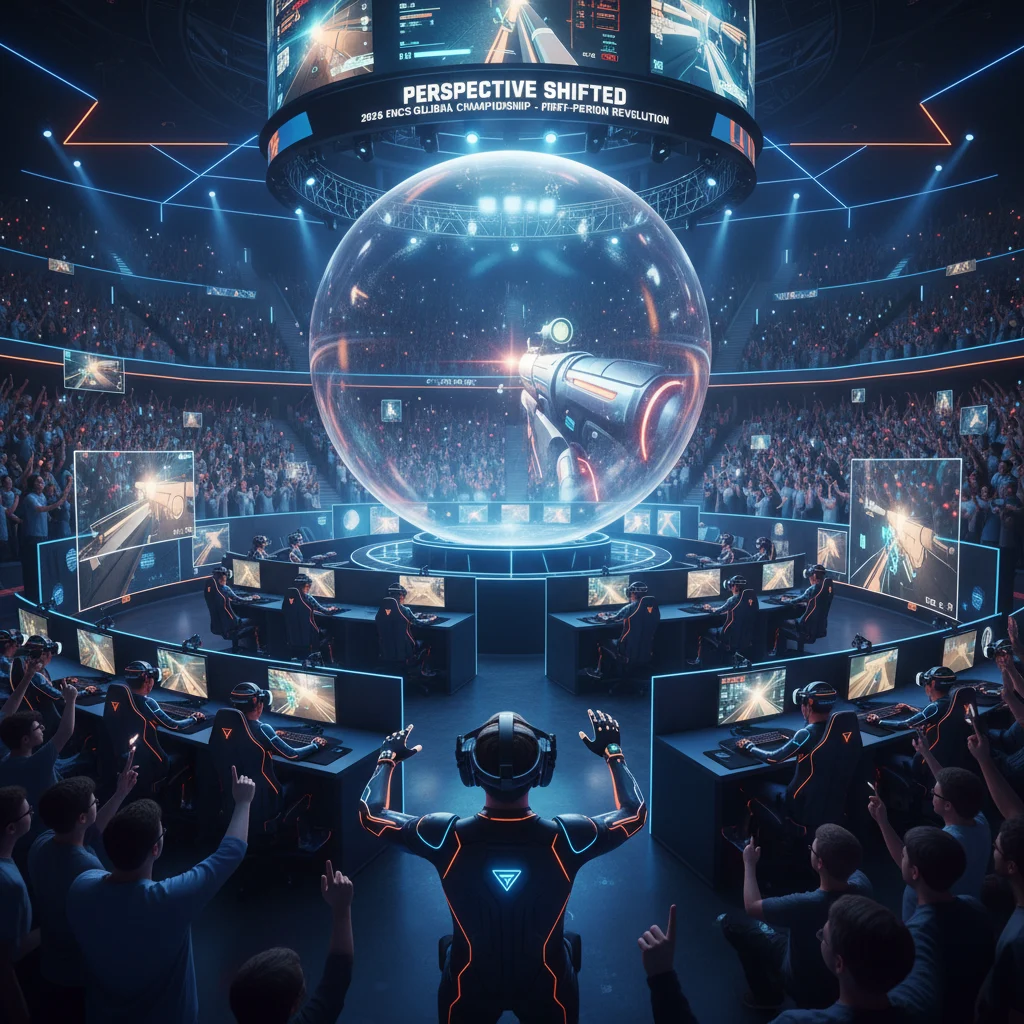
Copenhagen’s Royal Arena was deafening, but inside the soundproof booths, the silence was absolute. The 2026 Fortnite Champion Series (FNCS) Global Championship did not just crown a new pair of millionaires. It permanently shattered how the world’s most popular battle royale is played at the highest competitive level.
When Epic Games announced that the 2026 tournament circuit would mandatorily feature the newly refined first-person mode, the competitive community panicked. For nearly a decade, Fortnite was defined by its third-person camera. Players used it to peer over brick walls and around wooden ramps without ever exposing their character models. That era is officially over. The duo who figured out the new reality quickest walked away with the trophy and a cool $1.2 million.
The New Champions of a New Era
Nineteen-year-old Peter “Pete” Harrison and his partner Thomas “Kova” Novak were not the oddsmakers’ favorites going into the weekend. They barely squeaked into the finals through the last-chance qualifier. Yet, while other veteran teams struggled with motion sickness and lost spatial awareness in the chaotic late-game moving zones, Pete and Kova looked entirely at home.
They adapted. Others complained.
“The old way of tunneling is dead,” Kova said in his post-match press conference, cradling the heavy chrome trophy. “In third-person, you could build a box and look all around you while staying perfectly safe. Now, if you want to see if someone is pushing your wall, you have to actually peek your head out. If you can see them, they can shoot you. It changes every single interaction.”
How the Meta Shifted
The mechanical shift forced a massive change in how players built defenses. High-ground retakes, once characterized by dizzying 90-degree turns and rapid vertical building, became far too disorienting in first-person. Instead, the tournament meta shifted toward tactical positioning and raw aim.
The playstyle changes were obvious to anyone watching the broadcast:
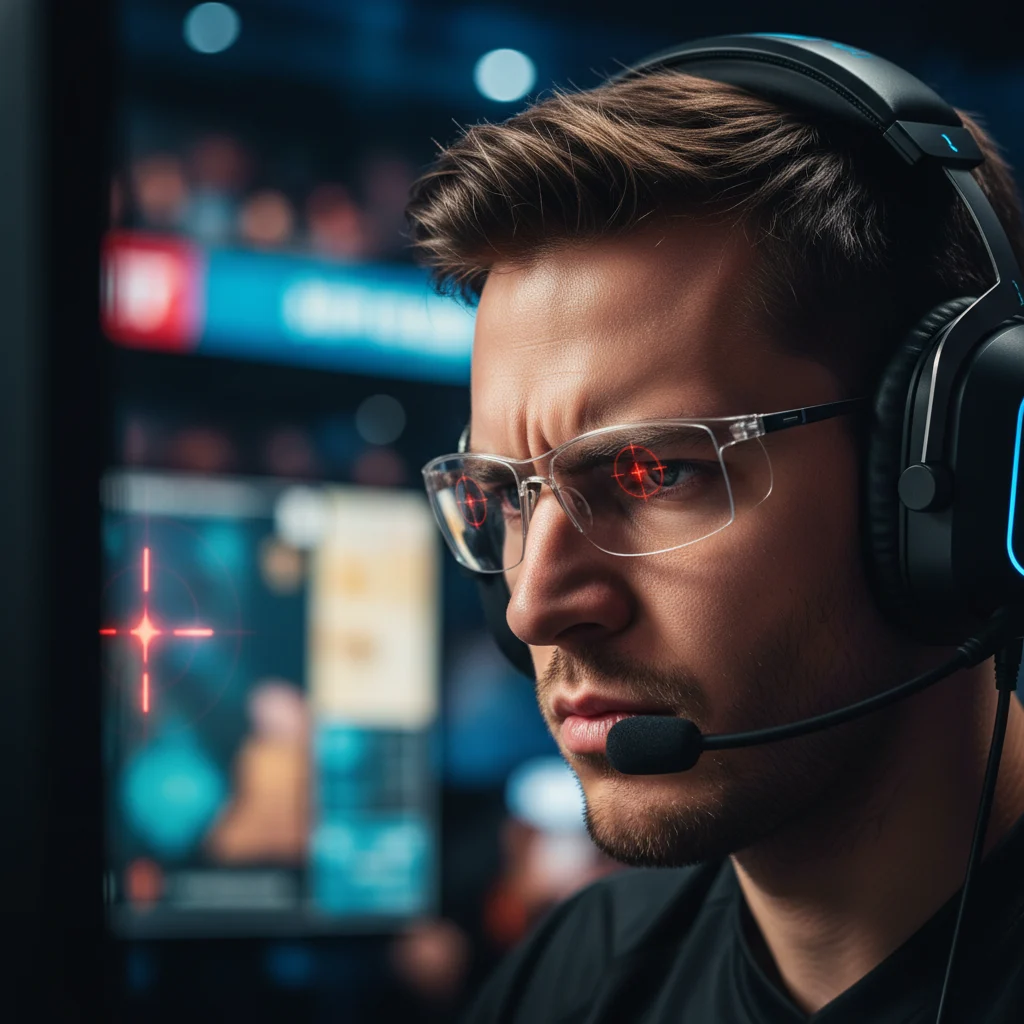
- No more blind peeking: Players could no longer look over walls safely. Every piece of information required physical exposure.
- Simpler building: Massive build fights were replaced by tighter, more conservative tactical boxes.
- Aim over edits: Raw gunplay and tracking took precedence over lightning-fast building edits.
- Audio reliance: With limited peripheral vision, spatial audio became the primary tool for tracking enemy movements.
Suddenly, the lobby looked less like traditional Fortnite and more like a high-speed hybrid of tactical shooters. Players had to rely heavily on sound cues rather than visual cheats.
The Death of the ‘Creative Warrior’
“We saw some of the best builders in the world look completely lost,” said veteran esports analyst Darren Vance. “You had guys who spent 10,000 hours in Creative mode learning how to piece-control opponents from behind a wall. In Copenhagen, those guys were getting pre-fired and eliminated before they could even finish their edits. The skill gap didn’t disappear; it just migrated entirely to aim and raw reaction time.”
The turning point came during Match 5 on Sunday afternoon. Six duos were still alive in a tiny, chaotic storm circle near the rugged cliffs of the revamped map. Pete and Kova found themselves trapped at the bottom of a deep gorge. In previous tournaments, a duo in this low-ground position would be systematically picked apart by players holding the high ground.
Instead of trying to build their way up in a chaotic spiral, Pete used a heavy sniper to punch a hole through a brick ceiling while Kova, utilizing the tight, precise sights of the first-person perspective, dropped three opponents in quick succession. The crowd went wild. It was a sequence of pure gunplay that would have been impossible under the old camera system. They secured the victory royale with 14 collective eliminations in that match alone, catapulting them to the top of the leaderboard.
An Uncertain Future
Not everyone is thrilled with the new direction. Several high-profile players voiced their frustration on social media immediately after the tournament ended, calling the first-person lock “un-Fortnite-like” and demanding a return to the classic perspective for the 2027 season. They argue that removing the third-person camera robs the game of its unique identity.
But Epic Games seems unlikely to back down. Viewership for the grand finals peaked at over 1.8 million concurrent streams across YouTube and Twitch, a significant bump from the previous year. The tighter, more personal camera angle proved far easier for casual viewers to follow.
For Pete and Kova, the debate is secondary to the reality of their new bank accounts. “People can complain all they want,” Pete said with a grin. “We adapted. They didn’t. That’s why we have the trophy.”