How Tracker Network Heatmaps Are Changing Fortnite Chapter 7 Meta
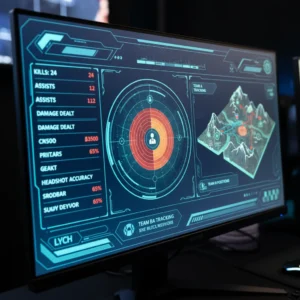
A new real-time heatmap tool from Tracker Network is transforming Fortnite Chapter 7 competitive strategy, changing how pros drop and rotate.

Competitive Fortnite has always been a game of inches, split-second decisions, and massive amounts of data. But with the launch of Fortnite Chapter 7, the battle royale’s meta is shifting faster than ever. The catalyst isn’t just a new weapon or a map change. Instead, it is a powerful new tool from Tracker Network: a real-time heatmap integration that is completely rewriting how professional players and coaches approach tournament lobbies.
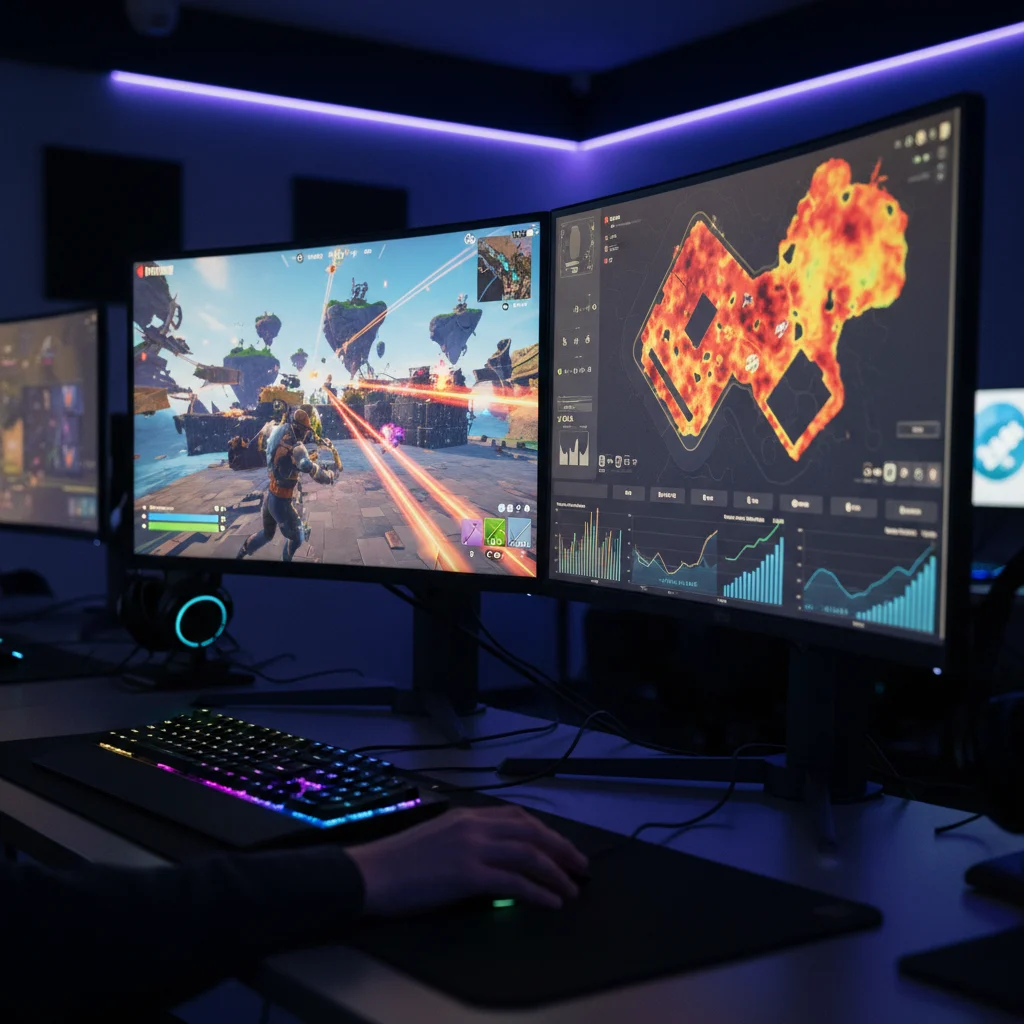
For years, players relied on post-match VOD reviews and static drop maps to plan their games. Tracker Network’s new feature changes that entirely. By pulling live telemetry data during active tournaments, the tool visualizes exactly where players are landing, fighting, and dying across the new Chapter 7 island.
It is a massive leap forward.
How Live Heatmaps Alter the Drop Phase
The real-time data is particularly crucial for navigating the early-game drop phase. In Chapter 7, Epic Games introduced highly volatile weather systems and shifting loot pools that change from match to match. The heatmap lets squads see where lobbies are congregating in response to these dynamic elements.
If a gold-tier loot hot spot spawns near the southern coast, the tracker shows the exact density of players diving toward it. Teams can then make quick, calculated decisions:
- Fight for the high-tier loot in heavily congested zones.
- Opt for a safer, uncontested split-drop nearby.
- Pivot to late-game rotation paths early to gatekeep survivors.
“We used to spend hours guessing which drop spots would be contested,” says Marcus “Slick” Thorne, a veteran competitive coach who has trained several FNCS finalists. “Now, we can look at the heatmap during a tournament and see instant patterns. If a specific point of interest like Nexus Ridge is suddenly drawing fewer players, we pivot immediately. It takes the guesswork out of the early game.”
Surviving the Mid-Game and Storm Surge
But the tool’s utility goes far beyond the initial drop. For high-level lobbies, surviving the mid-game is all about managing storm surge. To avoid taking passive damage from the game’s anti-camping mechanic, players must constantly deal damage to opponents.
The new heatmap shows hot zones of active skirmishes. Teams lagging behind on surge can use this visual data to locate nearby fights, third-party the engagement, and secure the necessary damage tags to survive. Conversely, teams with healthy surge can use the map to avoid congested rotas, steering clear of choke points where gatekeepers are waiting to ambush them.
The Ethics and Fairness Debate
Not everyone is thrilled about this sudden influx of live information, though. Some community members and tournament organizers have raised concerns about competitive integrity. Critics argue that having second-screen access to live player densities during a tournament borders on an unfair advantage. It acts almost like a legalized stream-sniping tool, even with the standard delays built into public API feeds.
“There is a fine line between analytics and real-time assistance,” notes esports analyst Sarah Chen. “If a coach can sit on Discord and feed live rotation data to their player based on an updating webpage, it changes the nature of what we are testing. Are we testing a player’s in-game awareness, or their coach’s ability to read a web browser?”
Epic Games’ Stance on Third-Party Data
Epic Games has not yet issued an official statement restricting the use of third-party trackers during active tournament play. Currently, the API data used by Tracker Network operates within Epic’s terms of service, utilizing public match data that is delayed by just a few minutes to prevent direct stream-sniping. Even with that slight delay, the macro-level strategic advantages are undeniable.
As Chapter 7 progresses, the divide between teams using live analytics and those relying purely on instinct will likely grow. In a game where millions of dollars are on the line, any edge is worth taking. For now, Tracker Network’s heatmap has turned Fortnite into a digital chess match, where the screen you look at outside the game might be just as important as the one you use to play it.