How Fortnite Tracker’s Live Telemetry Is Shaking Up FNCS Esports
Fortnite Tracker’s new live-match telemetry is changing how professional teams scout players, shifting the focus from placements to raw, real-time data.
The race to sign competitive Fortnite talent has officially entered a new era. With the launch of Fortnite Chapter 7, the game’s meta has evolved rapidly, but the most disruptive changes are happening behind the scenes. The catalyst is Fortnite Tracker’s newly integrated live-match telemetry system. This high-frequency data engine is fundamentally rewriting how professional organizations scout prospects and construct their FNCS rosters.
For years, esports scouts relied on a mix of tournament placements, YouTube VODs, and pure gut feeling to sign players. That era is over. The new telemetry tool pulls incredibly detailed, frame-by-frame performance metrics directly from live competitive lobbies. Instead of just seeing who won a match, analysts can now track real-time statistics like storm-surge efficiency ratios, building-edit success rates under pressure, and exact movement paths during chaotic late-game zones.
The impact on the Fortnite Champion Series (FNCS) has been immediate. It is shaking up established rosters across North America and Europe.
The Death of the Clout-Based Roster
“We used to sign players based on their clout and their top-ten finishes,” says Marcus “Aero” Vance, a veteran coach who has consulted for several major esports organizations. “But placements can be misleading. A tier-one player might get carried by a god-tier co-player, or they might just get incredibly lucky with zone pulls. This new telemetry isolates every single action. It tells us who is actually doing the heavy lifting in a duo.”
This level of granularity is already driving a massive wave of roster transfers ahead of the upcoming FNCS Major. Several high-profile organizations have quietly dropped established veterans. In their place, they are signing unranked, fifteen-year-old mechanical prodigies. These rookies might not have a massive social media following or trophy rooms full of medals, but their telemetry profiles are practically flawless.
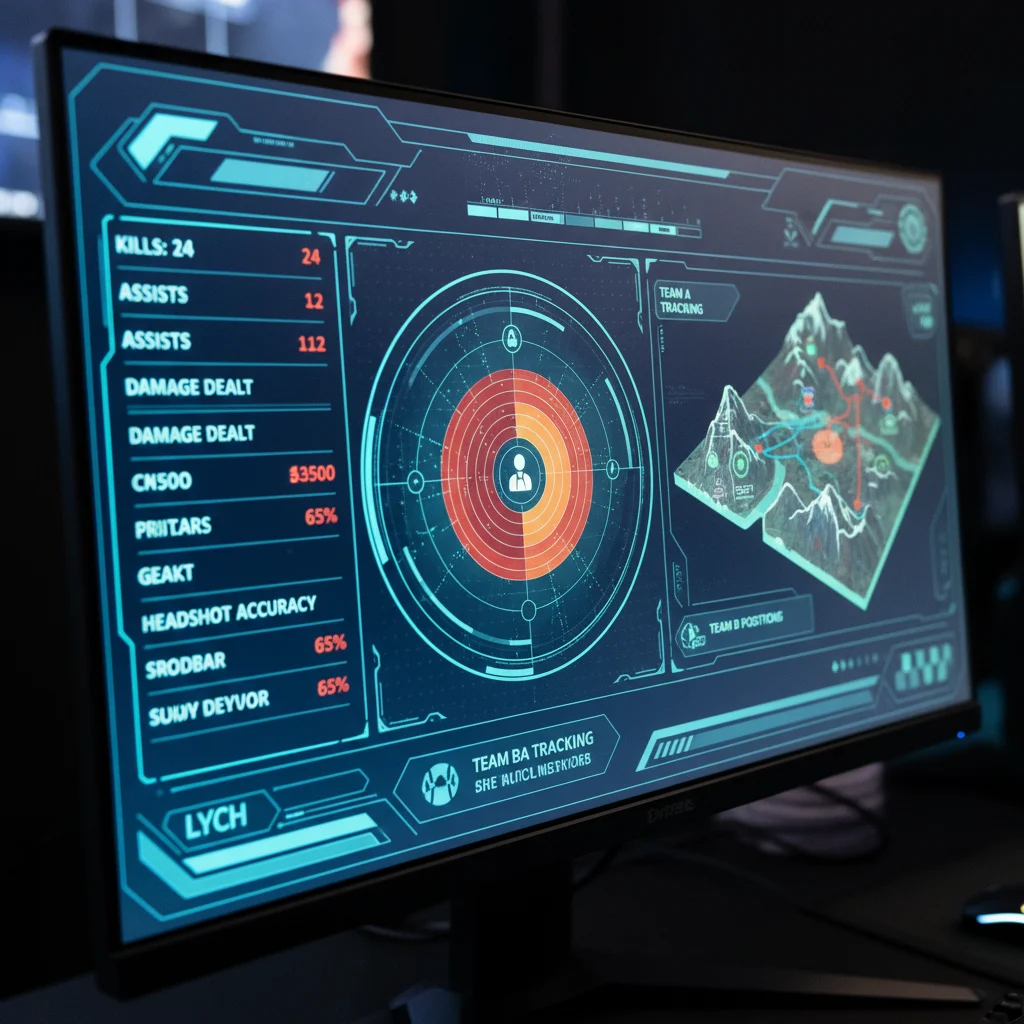
The data points are incredibly specific. In Chapter 7’s fast-paced environment, the tool tracks “damage-to-materials ratio”—a metric that measures how much damage a player inflicts relative to the wood, brick, and metal they expend. It also monitors individual contribution to storm surge, which is the game’s mechanic that forces players to damage opponents to avoid taking automatic damage themselves.
Levelling the Playing Field for Unsigned Talent
For unsigned players, this technology acts as a massive equalizer. Historically, breaking into the professional tier of Fortnite was notoriously difficult without existing industry connections. Now, a player grinding from their bedroom in a small town can let their telemetry do the talking. If an amateur’s end-game survival rate and target-acquisition metrics match those of reigning FNCS champions, scouts will find them. The data doesn’t lie.
The system also tracks micro-mechanics, such as how quickly a player executes a “refresh”—the act of eliminating an opponent in the late game to steal their building materials and siphon health. In the chaotic, lag-heavy endgames of high-level lobbies, these split-second decisions make the difference between a championship and an early exit.
The Psychological Toll of Constant Tracking
However, not everyone is thrilled about the sudden transparency. Some professional players have voiced concerns about the intense pressure these public metrics create. There are fears that the joy of natural play is being replaced by a hyper-analytical corporate grind.
“Every mistake we make is now immortalized in a database for every team manager to see,” one top-tier European pro, who wished to remain anonymous, admitted. “If you have one bad weekend where your edit speed drops by five percent because you’re tired, it can ruin your contract negotiations. It makes the game feel less like a competitive sport and more like a desk job.”
Despite the pushback, telemetry-based scouting is here to stay. Analysts are already building custom algorithms on top of the Fortnite Tracker API to predict duo synergy before players even queue up together. As the competitive season intensifies, the teams that embrace this wealth of data are likely to dominate the leaderboard, while those relying on old-school scouting methods risk being left behind in the lobby.