Fortnite Adds AI ‘For You’ Shop Rows, Raising Spending Fears
Epic Games introduces personalized ‘For You’ rows to the Fortnite Item Shop, sparking player worries over AI-targeted spending triggers.
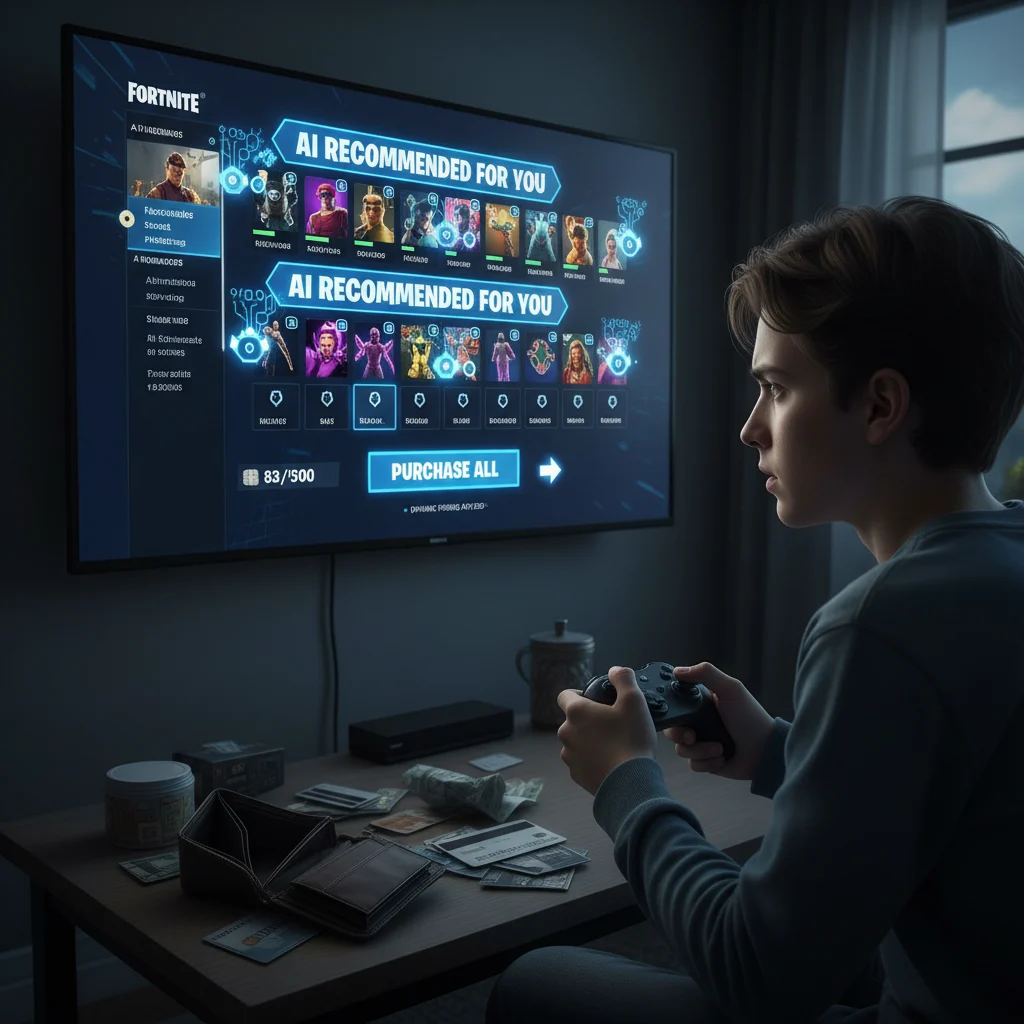
Epic Games has quietly updated the Fortnite Item Shop, introducing a personalized “For You” section that has quickly divided the game’s massive community. The new feature uses machine learning to curate a custom row of cosmetic items for each player, matching digital goods to their specific in-game history and behavior.
While the developer pitches the update as a convenient tool to help players find items they might enjoy, it has sparked immediate pushback. Gamers, parents, and digital rights advocates are expressing concern that using predictive AI to tailor storefronts could create irresistible spending hooks, particularly for younger audiences.
How the Algorithmic Shop Works
For years, the Fortnite Item Shop operated on a shared, global clock. Every player saw the exact same rotating selection of skins, emotes, and glider designs, which refreshed daily at a set time. This model relied heavily on artificial scarcity and the “fear of missing out” to drive purchases.
The “For You” system changes that dynamic. By analyzing user data—such as past purchases, frequently used locker items, and playtime across different game modes—the algorithm builds a profile of what a player is most likely to buy. If a player frequently runs matches using Marvel skins, their personalized row is highly likely to feature related superhero cosmetics when they become available.
The business benefits for Epic Games are obvious. Personalized recommendation engines are the gold standard for modern digital commerce, used by giants like Amazon, Netflix, and TikTok to keep users engaged and spending. Bringing this technology to a gaming storefront is a logical next step to boost conversion rates.

Exploiting Psychological Triggers
However, the transition from broad marketing to hyper-targeted, algorithmic selling is raising ethical questions. Fortnite boasts an active player base of over 220 million monthly users, a significant portion of whom are children and teenagers. Critics argue that these demographics are particularly vulnerable to the psychological triggers of personalized advertising.
On gaming forums and social media, players have expressed similar unease. Many note that the storefront now feels intensely predatory. Some reported seeing highly sought-after, rare skins appear in their personalized rows just days after they had searched for them online or discussed them in community groups, raising questions about just how much data the game is analyzing.
A History of Monetization Scrutiny
This is not Epic Games’ first brush with controversy regarding its monetization methods. In December 2022, the company reached a landmark $520 million settlement with the U.S. Federal Trade Commission over allegations that it used deceptive user interfaces, known as “dark patterns,” to trick players into making unintended purchases.
While the personalized “For You” rows do not violate that settlement, critics argue they represent a more sophisticated evolution of the same goal: maximizing player spend through psychological optimization rather than outright trickery.
Epic Games has not publicly shared the exact parameters of the recommendation algorithm or what specific user data it tracks to populate the custom slots. For now, players looking to curb their spending are being urged to set up parental control PINs or set strict monthly budgets within their platform accounts.