Fortnite Tracker AI Coach Alters 2026 FNCS Prep
Fortnite Tracker’s new AI-powered Live Coach tool is changing the game for esports players preparing for the 2026 FNCS Global Championship.
The AI in Your Ear
Preparing for the 2026 Fortnite Champion Series (FNCS) Global Championship has taken a highly sophisticated turn. Tracker Network, the company behind the widely popular Fortnite Tracker platform, has rolled out a new feature that is shaking up how players practice. It is called “Live Coach,” an artificial intelligence-driven companion that monitors gameplay in real time to offer instant tactical advice.
For years, competitive players relied on manual VOD reviews. They would spend hours squinting at recorded gameplay, spotting mistakes long after the match ended. Live Coach flips this process entirely. By analyzing live game telemetry and on-screen data, the AI acts as a digital co-pilot, whispering strategies directly to players while they are still in the battle bus or rotating to the next circle.
How Live Coach Processes the Battle Royale
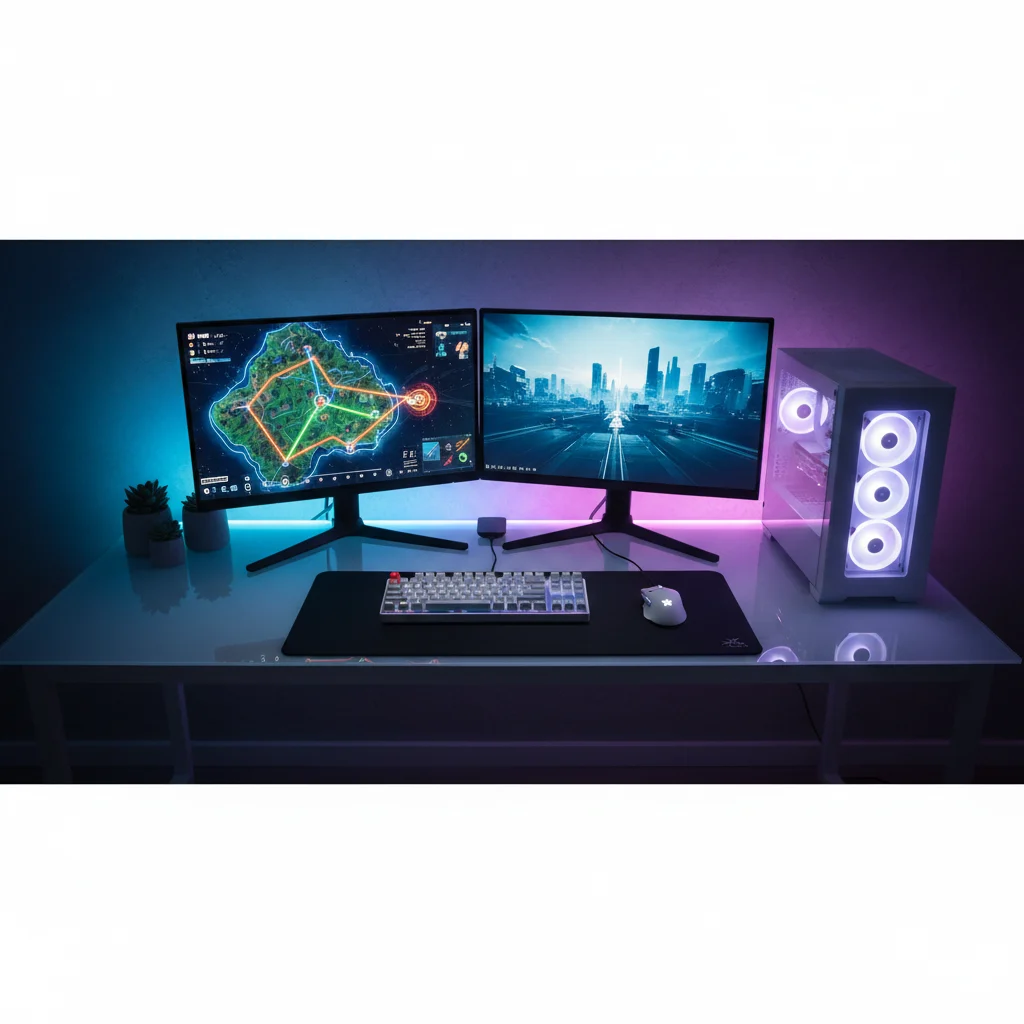
The technology behind the tool is surprisingly deep. It does not just track kills and deaths. Instead, it looks at the broader context of the match. The system monitors a player’s inventory, material counts, current health, and the position of the storm. It then compares this data against its massive database of previous FNCS tournament matches.
“We wanted to build something that acts like a second brain,” says Marcus Vance, a senior developer at Tracker Network. “When you are in the heat of a high-tier lobby, your cognitive load is through the roof. The AI does the heavy math for you. It calculates the safest rotation paths based on where other players are likely to move, freeing the player to focus purely on mechanical execution.”
Instead of offering generic advice, the system adapts dynamically. It evaluates the lobby’s average Skill Rating (SR) before the match even begins. If the lobby is filled with professional-tier opponents, the AI tightens its recommendations, suggesting highly conservative rotations. If it senses a softer lobby, it prompts the player to exploit gaps and secure quick elimination points. The machine learning model is constantly trained on thousands of hours of high-level scrims, ensuring its tactical database stays updated with the latest trends of the current season.
For example, if you are low on metal in a late-game moving zone, the AI might flag a nearby unfinished brick structure that offers safer coverage. It can even analyze the playstyles of known opponents in your lobby, warning you if an aggressive “w-keyer” is lurking in your immediate vicinity.
The Competitive Edge or Unfair Advantage?
Naturally, a tool this powerful has sparked fierce debate within the competitive community. Some purists argue that real-time assistance dilutes the skill gap. They believe split-second decision-making is what separates the elite from the average. If an algorithm is telling you when to rotate, does that devalue the win?
Epic Games has kept a close eye on these developments. Because the Live Coach overlay does not manipulate game files, inject code, or automate player inputs—meaning no aimbots or building macros—it does not violate current terms of service. It simply reads the screen and the official API data. For now, it is entirely legal. But the line between helpful utility and unfair aid remains razor-thin.
“It is a gray area, definitely,” says esports analyst Sarah Connor. “But in esports, if a tool is legal and it gives you a one-percent advantage, you have to use it. If you don’t, you are already falling behind. The pros are embracing it because they cannot afford to ignore it.”
Democratizing Professional Coaching
Perhaps the biggest impact of the Live Coach is not at the very top of the pro scene, but just below it. Hiring a top-tier human Fortnite coach can cost hundreds of dollars an hour. That is a luxury only signed esports pros can afford. Tracker Network’s new tool levels the playing field for aspiring semi-pros.
The system also tracks long-term player progression. Every match analyzed by the Live Coach goes into a personalized performance dashboard. This dashboard tracks specific metrics that standard stat trackers miss. For example, it measures how often a player successfully executes a “double-edit” under pressure, or how many materials they waste during mid-game rotations. By highlighting these subtle micro-errors, players can structure their creative-mode training around their exact mechanical weaknesses.
Now, a teenager playing from their bedroom has access to high-level strategic insights. The AI can point out bad habits, like consistently taking poor 50-50 fights or failing to manage shield inventories properly. It democratizes coaching, allowing raw mechanical talent to shine without being held back by a lack of strategic resources.
The Road to the 2026 FNCS Global Championship
As the qualifying rounds for the 2026 FNCS Global Championship draw closer, the pressure on players is reaching a boiling point. Millions of dollars are on the line. Teams are looking for any edge they can find. If Live Coach becomes the standard training tool over the next few months, the meta at the global finals could look vastly different.
Matches will likely become more calculated, with fewer unforced errors in the mid-game. We might see longer, more intense end-games as more players master the art of rotation. One thing is certain: the era of relying solely on muscle memory is over. In 2026, the smartest algorithm in your ear might just be what carries you to the trophy.