Top US General Rules Out Military Deployment for 2026 Midterms
General Dan Caine assured lawmakers there are no plans to send federal troops to polling places or seize voting machines this November.
The U.S. military will not be deployed to polling stations this fall.
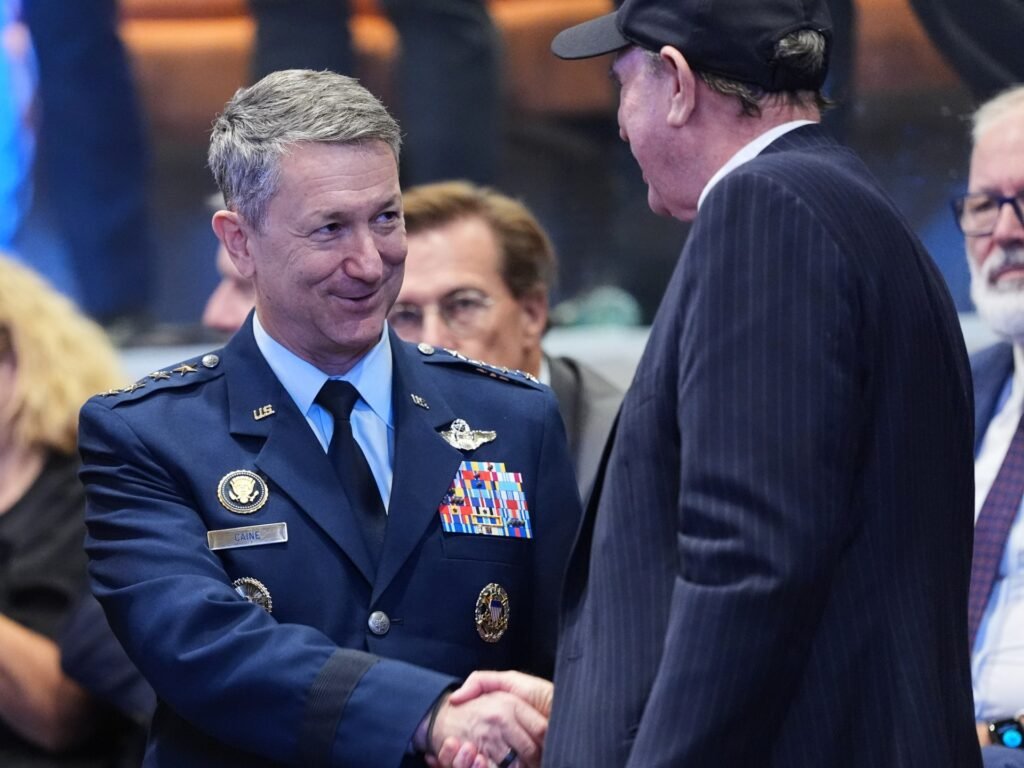
That is the firm promise from General Dan Caine, the nation’s highest-ranking military officer. In a letter sent to Capitol Hill, the Chairman of the Joint Chiefs of Staff sought to quiet fears that federal troops might be used to interfere with the November 3 midterm elections.
“The Joint Force has no plans to send Federal military personnel or Federalized members of the National Guard to polling places during the 2026 elections,” Caine wrote. The letter, obtained by the Associated Press, went even further to ease anxieties. Caine clarified that the military has absolutely no intention of seizing ballots, voting machines, or any other election-related materials.
A Response to Capitol Hill
The general’s written assurance was a direct response to Senator Elissa Slotkin. The Michigan Democrat had recently pressed Caine and Defense Secretary Pete Hegseth to clarify the military’s role in the upcoming vote.
Caine, who serves as the principal military adviser to Hegseth and President Donald Trump, sought to draw a clear line between the armed forces and domestic politics. He noted that he has “neither received nor anticipate receiving any unlawful order” regarding how the military might behave during the high-stakes midterms.
While Caine’s response was definitive, Hegseth has yet to reply to the senator’s inquiry, according to Slotkin’s press secretary, Sonja Thrasher.
Growing Anxiety Over Executive Overreach
The exchange highlights deep-seated worries among congressional Democrats about the potential use of federal force. These concerns have intensified following several controversial moves by the Trump administration. Critics point to the previous deployment of federal officers to major cities over the objections of local leaders, which the administration defended as necessary to handle immigration enforcement and public safety.
In her push for assurances, Slotkin raised past incidents, including the deployment of active-duty Marines to Los Angeles during a 2025 immigration crackdown. She also noted that Trump had previously discussed using the military to confiscate voting machines after his 2020 election loss.
However, federal law heavily restricts domestic military action. Under long-standing statutes, deploying armed federal forces to polling stations is illegal unless they are needed to “repel armed enemies of the United States.” Any military presence at a local level would typically fall to the National Guard, which operates under the command of state governors rather than the Pentagon.
Maintaining an Apolitical Military
Slotkin welcomed Caine’s written commitment, calling top defense officials the country’s “final failsafe.”
“The nonpartisan tradition of military service and the constitutional guardrails that prevent our military from becoming a domestic police force for one political party are essential to maintaining our democracy,” Slotkin said in a statement.
White House officials have repeatedly dismissed claims that they intend to use the armed forces to influence the election. Last year, White House Chief of Staff Susie Wiles denied during an interview that there were any plans to use the military to suppress voter turnout in the midterms.
This is not the first time Slotkin has sought these kinds of guarantees. In 2020, while serving in the House of Representatives, she pressed General Mark Milley, then-chairman of the Joint Chiefs of Staff, on the same issue.
Milley’s response at the time echoed the same apolitical stance. He wrote that if any disputes arose during the election, they must be settled by the courts and Congress, not by soldiers.