IOC Fires Media Chief Over 2028 Olympic Security Row
The International Olympic Committee has dismissed its chief press secretary following a public relations crisis over 2028 Los Angeles security plans.
The International Olympic Committee has parted ways with its chief press secretary, David Henderson. The decision, announced late Wednesday from the committee’s headquarters in Lausanne, Switzerland, comes after weeks of intense scrutiny over how the organization managed a growing public relations crisis surrounding the security plans for the 2028 Los Angeles Games. Henderson, who had held the top communications post for nearly six years, was dismissed with immediate effect.
Inside sources say the relationship between Henderson and senior leadership had grown toxic. The breaking point arrived after a series of leaked documents exposed deep divisions between European security coordinators and the local organizing committee in California. Instead of addressing the concerns head-on, the press office tried to bury the story. It backfired.
“We need absolute transparency as we prepare for 2028,” said an IOC official who spoke on the condition of anonymity. “The communication strategy over the last two months did not reflect that. It created more doubt than clarity.”
Leaked Protocols and Internal Friction
The controversy centers on the Unified Security Protocol (USP) for the Los Angeles Games. A draft version of this protocol, leaked to journalists last month, revealed gaps in cyber-defense strategies and a lack of clear command structure between private security firms and federal agencies. When pressed for answers, Henderson’s office initially dismissed the leaks as “outdated drafts from disgruntled former contractors.”
But they weren’t.

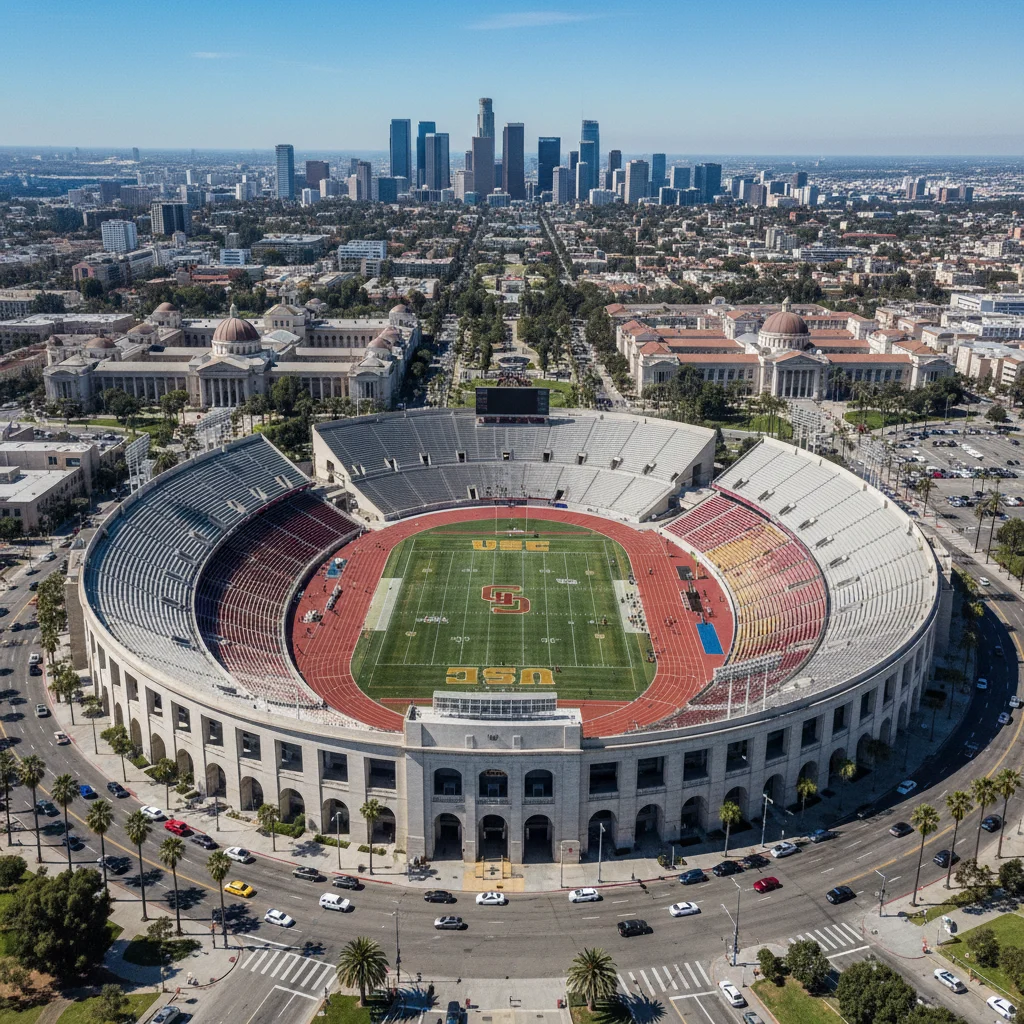
Subsequent investigations showed the documents were barely three weeks old. More importantly, they highlighted critical vulnerabilities in transport security and drone defense systems designed for the LA Coliseum and the SoFi Stadium. As mayors and regional chiefs from southern California demanded answers, the IOC’s press relations team went silent. The silence was deafening.
Local organizers in Los Angeles were furious. They felt the Swiss-based headquarters was leaving them to take the heat for systemic coordination issues that the IOC itself had failed to resolve. Security planning for any Olympics is a logistical nightmare. For a city as vast and decentralized as Los Angeles, the challenges multiply.
The Breaking Point in Geneva
It wasn’t just American officials who were worried. Several European Olympic committees had quietly raised concerns about the cybersecurity reports. They wanted guarantees that athlete data and travel schedules would be protected from state-sponsored hacking groups. The dismissive tone from the IOC media relations branch only deepened their anxiety.
Get Free $500 Amazon Gift Card
Sarah Miller, a risk analyst and former advisor to the U.S. Department of Homeland Security, believes the firing was inevitable.
“You cannot run a modern Olympic security operation without total trust between the host city and the international governing body,” Miller said. “When the press office started treating legitimate security queries like a minor political annoyance, they lost the locker room. The local partners in California lost faith in Lausanne’s ability to back them up.”
The final straw reportedly occurred during an off-the-record briefing last Thursday in Geneva. According to three journalists who attended, Henderson became defensive when questioned about the budget allocation for cybersecurity. He allegedly suggested that local American organizers were inflating their security needs to secure extra federal funding. The comments quickly made their way back to LA28 officials, triggering an angry exchange of letters between the two executive boards.
By Monday, Henderson’s fate was sealed.
Looking Ahead to 2028
The IOC has named deputy spokesperson Anne-Sophie Voets as the interim head of media relations while a global search for a permanent successor begins. Voets now faces the daunting task of rebuilding bridges with the American media and reassuring nervous sponsors that the 2028 games will be safe.
The stakes are incredibly high. The 2028 Summer Olympics will be the first hosted in the United States since the Atlanta Games in 1996, which were marred by a domestic terror bombing. Because of that history, security is not just a line item on a budget sheet. It is a highly sensitive political issue.
For now, the IOC is trying to project an image of calm control. In a brief public statement, the committee thanked Henderson for his years of service but offered no details about the reasons for his sudden departure. The brief, cold release spoke volumes.
As the dust settles in Lausanne, attention turns back to Los Angeles. The organizing committee there is hoping the shake-up signals a fresh start. They want a more collaborative approach to security. Whether they get it remains to be seen, but one thing is clear: the era of defensive spin at the IOC is facing its toughest test yet.