Downing Street Press Sec Fired Over Carbon Tax Leak
Downing Street has dismissed Press Secretary Sarah Bennett following the leak of a draft speech detailing controversial carbon tax exemptions.
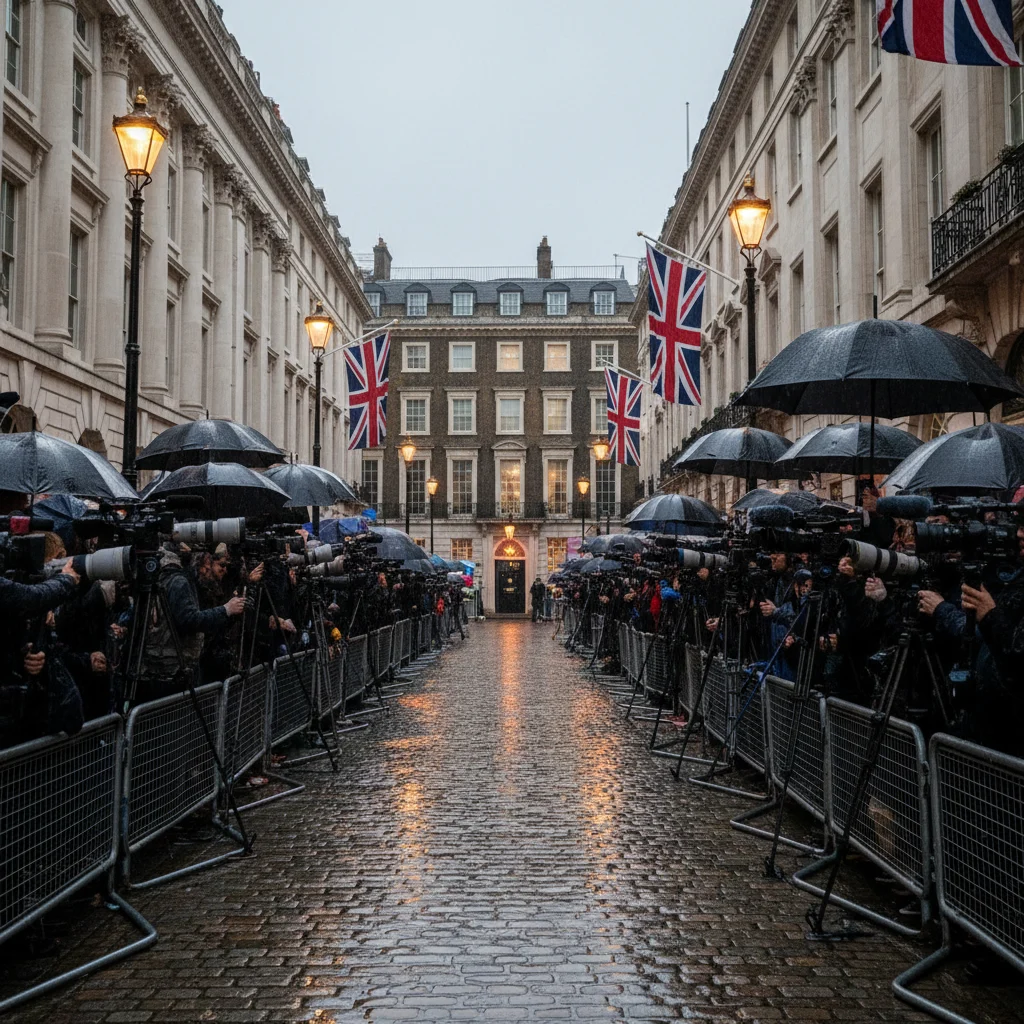
The axe fell quickly at Downing Street on Tuesday morning. After a tense, closed-door meeting that lasted barely fifteen minutes, Sarah Bennett, the Prime Minister’s Press Secretary, was dismissed from her post. Her sudden departure follows a chaotic 48 hours in Whitehall, triggered by the unauthorized leak of a highly sensitive draft speech detailing a proposed retreat on the UK’s climate targets.
The leaked document, published by Sunday newspapers, outlined plans for the Prime Minister, Edward Sterling, to grant sweeping carbon tax exemptions to the country’s heaviest industrial polluters. If implemented, the policy would shield steel manufacturers, chemical plants, and concrete producers from a scheduled tax hike intended to curb greenhouse gas emissions. The revelation sparked immediate fury from environmental groups and exposed deep divisions within the Cabinet.
For Downing Street, the leak was more than a policy headache; it was a fundamental breach of operational security. A senior government source, speaking on the condition of anonymity, described the atmosphere inside Number 10 over the weekend as “apocalyptic.” Officials spent Sunday and Monday conducting an urgent internal inquiry to trace the document’s digital footprint.
While Bennett has reportedly denied being the source of the leak, insisting she was the victim of a political setup, Downing Street officials concluded that her department was ultimately responsible for the security lapse. The Prime Minister’s chief of staff reportedly told Bennett that her position had become entirely untenable.
A Policy in Tatters
The draft speech, which was pencilled in for delivery at an upcoming industrial summit in Manchester, suggested a radical pivot in the government’s economic strategy. According to the leaked draft, the Prime Minister was prepared to argue that the “punitive” carbon tax threatened to drive British manufacturing overseas, costing thousands of working-class jobs.
The speech draft stated: “We cannot tax our way to green prosperity while our factories shutter and our workers face redundancy. We must offer a breathing space to our vital industries.”
Get Free $500 Amazon Gift Card
To climate scientists and green MPs, however, the proposed exemptions looked like a white flag. Activists argue that watering down the carbon levy will make it impossible for the UK to meet its legally binding net-zero targets by 2050. Protesters gathered outside the gates of Downing Street on Monday afternoon, demanding a clear statement from the government on its environmental commitments.
Fallout and Future Plans
The fallout from the leak has left the government’s environmental strategy in total disarray. Civil servants are now working around the clock to redraft the Manchester speech, though insiders suggest the controversial exemptions may now have to be quietly shelved.

The opposition has wasted no time capitalizing on the government’s embarrassment. During a heated session in the House of Commons, opposition frontbenchers accused the Prime Minister of losing control of his staff and his climate policy in one fell swoop.
“If the Prime Minister cannot even secure his own speeches, how can we trust him to secure our energy future?” the shadow climate secretary asked during PMQs.
Downing Street has refused to comment publicly on the details of the internal investigation, offering only a brief statement confirming Bennett’s departure. “The Prime Minister has today accepted the resignation of his Press Secretary,” a spokesperson said. “We do not comment on individual personnel matters.”
Finding a replacement for Bennett will not be easy. The role of Press Secretary is notoriously demanding, requiring a delicate balance of media savvy, political loyalty, and ironclad discretion. With the government currently trailing in the polls and facing an energetic opposition, the next occupant of the briefing room will face an uphill battle to restore order to Downing Street’s communications machine.