
Imran Khan Pakistani Prime Minister is a name that has remained highly influential in Pakistan’s political history. Before becoming a politician, Imran Khan was internationally recognized as one of the greatest cricketers of his generation. He later transformed his popularity into a political movement and eventually became the 22nd Prime Minister of Pakistan in 2018.
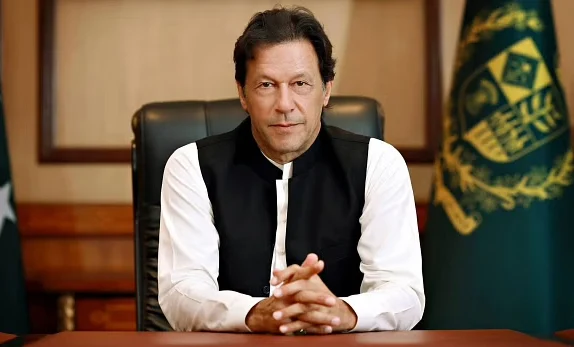
His journey from an international cricket star to the leader of a major political party is unusual and remarkable. As prime minister, he introduced several social welfare initiatives and promised to build a more transparent and prosperous Pakistan. At the same time, his government faced serious economic, political, and administrative challenges.
This article explores Imran Khan’s early life, cricket career, political journey, time as prime minister, major achievements, challenges, and continuing influence on Pakistani politics.
Early Life and Education of Imran Khan
Imran Khan was born on October 5, 1952, in Lahore, Pakistan. He grew up in a well-educated family and received his early education in Lahore. He later attended the University of Oxford in the United Kingdom, where he studied Philosophy, Politics and Economics.
His education at Oxford exposed him to international ideas and helped shape his personality and worldview. However, cricket soon became the most important part of his early professional life.
From a young age, Imran Khan showed considerable talent in cricket. He eventually represented Pakistan at the international level and became one of the country’s most celebrated sports personalities.
Imran Khan’s Cricket Career
Before becoming the Imran Khan Pakistani Prime Minister, he built an extraordinary career in international cricket.
Imran Khan made his Test debut for Pakistan in 1971 and gradually established himself as a world-class all-rounder. He was particularly famous for his fast bowling, leadership ability, determination, and competitive spirit.
His greatest sporting achievement came in 1992 when he captained Pakistan in the Cricket World Cup. Pakistan defeated England in the final and won the tournament for the first time in the country’s history.
The 1992 World Cup victory made Imran Khan a national hero. His leadership during the tournament became an important part of his public image. He retired from international cricket after the World Cup, ending a career that had made him one of Pakistan’s most recognizable personalities.
His success in cricket later played an important role in his political career because millions of Pakistanis already knew and admired him.
Entry Into Pakistani Politics
After retiring from cricket, Imran Khan gradually turned his attention toward public service and politics. In 1996, he founded the Pakistan Tehreek-e-Insaf (PTI), which means Pakistan Movement for Justice.
In its early years, PTI struggled to become a major political force. However, Imran Khan continued to campaign for political reform, accountability, better governance, and social justice.
He criticized traditional political parties and argued that Pakistan needed a new political leadership that could reduce corruption and improve institutions.
Over time, PTI gained increasing support, especially among young Pakistanis and urban voters. Imran Khan’s speeches and social media presence helped him connect with a new generation of political supporters.
Imran Khan Becomes Prime Minister
The 2018 general election was a major turning point in Imran Khan’s political career. PTI emerged as the largest party in the National Assembly, and Imran Khan became Prime Minister of Pakistan in August 2018.
His election represented the culmination of more than two decades of political struggle.
As prime minister, Imran Khan promised to create a “New Pakistan.” His government emphasized accountability, social welfare, economic development, tourism, and efforts to improve Pakistan’s international image.
For many supporters, his election represented an opportunity for political change. However, governing Pakistan proved significantly more difficult than campaigning for political reform.
Major Initiatives of Imran Khan’s Government
One of the most important areas of Imran Khan’s government was social welfare.
Ehsaas Program
The Ehsaas program became one of the government’s most prominent social protection initiatives. It aimed to provide assistance to disadvantaged and vulnerable sections of society.
The program included financial support and other forms of assistance designed to help low-income families.
During the COVID-19 pandemic, the government also used social protection mechanisms to provide emergency financial assistance to millions of people affected by economic disruption.
Sehat Sahulat Program
Healthcare was another major area of focus. The government expanded health insurance initiatives, including the Sehat Sahulat program, which aimed to make healthcare more accessible to eligible citizens.
The broader goal was to reduce the financial burden of medical treatment on ordinary families.
Tourism and Environmental Initiatives
Imran Khan’s government also promoted tourism and environmental conservation. Pakistan has a wide range of natural landscapes, including mountains, valleys, forests, and historical sites.
His government encouraged domestic and international tourism as a potential source of employment and economic growth.
Environmental initiatives also received attention during his administration. The Ten Billion Tree Tsunami became one of the government’s most widely discussed environmental projects. The initiative aimed to expand forest cover and address environmental degradation.
Economic Challenges During His Government
Although Imran Khan entered office with ambitious plans, Pakistan’s economy presented significant challenges.
The country faced problems including inflation, foreign exchange pressures, rising debt, and difficulties maintaining economic stability. His government sought assistance from international financial institutions and introduced various economic measures.
The COVID-19 pandemic created additional pressure on the economy. Businesses were affected, employment was disrupted, and governments around the world faced difficult choices between protecting public health and maintaining economic activity.
Imran Khan’s government promoted a strategy that attempted to balance public health measures with economic activity. Pakistan’s response received both praise and criticism.
Despite some economic improvements in certain periods, inflation and the cost of living remained major concerns for ordinary Pakistanis.
Foreign Policy Under Imran Khan
Foreign policy was another important aspect of Imran Khan’s time as prime minister.
His government sought stronger relationships with countries including China, Turkey, Saudi Arabia, and other regional partners. Pakistan’s relationship with China remained particularly important because of the China-Pakistan Economic Corridor, commonly known as CPEC.
Imran Khan also emphasized Pakistan’s strategic importance in the region. Relations with India remained difficult, particularly because of the long-standing Kashmir dispute.
Relations between Pakistan and the United States also attracted considerable attention during his tenure. Imran Khan frequently spoke about the need for Pakistan to pursue an independent foreign policy based on the country’s national interests.
Imran Khan and the COVID-19 Pandemic
The COVID-19 pandemic created an unprecedented challenge for Imran Khan’s government.
Pakistan, like many other countries, had to manage a public health crisis while protecting the economy. Imran Khan repeatedly expressed concern about the economic impact of strict lockdowns on low-income workers.
His government introduced financial assistance programs and other measures to help vulnerable communities.
The pandemic also highlighted the importance of healthcare infrastructure and social protection systems in Pakistan.
Removal From Office in 2022
Imran Khan’s time as prime minister came to an end in April 2022.
Political tensions between his government and opposition parties increased significantly. Opposition lawmakers eventually brought a vote of no confidence against him in the National Assembly.
On April 10, 2022, Imran Khan lost the vote of no confidence and was removed from the office of prime minister.
His removal marked a major moment in Pakistan’s political history. Imran Khan subsequently became an opposition leader and continued to campaign against the political establishment.
Imran Khan’s Political Influence After Premiership
After leaving office, Imran Khan remained one of Pakistan’s most influential political figures.
His supporters continued to hold rallies and political campaigns, while PTI remained a major political movement. His speeches frequently focused on political independence, accountability, democracy, and opposition to corruption.
However, his post-premiership period was also marked by numerous legal cases and political controversies. These developments have generated strong reactions from both supporters and critics.
Supporters argue that Imran Khan has faced political persecution, while opponents maintain that legal proceedings should be handled according to the law. The situation has made him an even more controversial and influential figure in Pakistani politics.
Leadership Style of Imran Khan
Imran Khan’s leadership style is often described as direct, charismatic, and highly personal.
His experience as a cricket captain influenced his approach to leadership. He frequently used examples from cricket to explain politics, teamwork, persistence, and national development.
One of his strongest political advantages has been his ability to communicate with large audiences. His supporters often see him as a leader who challenged traditional political structures.
Critics, however, have questioned aspects of his political strategy, governance, and relationships with other institutions.
As a result, Imran Khan remains a deeply polarizing figure. Some Pakistanis view him as a symbol of political change, while others criticize his policies and leadership decisions.
Why Imran Khan Remains Important in Pakistan
The significance of Imran Khan goes beyond his time as prime minister.
His journey from cricket captain to political leader changed the political landscape of Pakistan. He demonstrated that a political movement outside the country’s traditional major parties could eventually become a national governing force.
His political message has particularly appealed to younger generations. PTI’s strong use of social media also changed the way political campaigns were conducted in Pakistan.
Whether people support or oppose him, it is difficult to ignore his influence on contemporary Pakistani politics.
Imran Khan Pakistani Prime Minister represents one of the most remarkable political journeys in modern Pakistan. From winning the 1992 Cricket World Cup as captain to founding PTI and becoming prime minister in 2018, his career has passed through several extraordinary stages.
As prime minister, he introduced major welfare and environmental initiatives, promoted tourism, and attempted to reform Pakistan’s political and economic systems. His government also faced serious challenges, including inflation, economic instability, political opposition, and the COVID-19 pandemic.
After his removal from office in 2022, Imran Khan continued to play a major role in Pakistani politics. His supporters remain committed to his political vision, while his critics continue to debate his record in government.
Ultimately, Imran Khan’s legacy will depend on how future generations evaluate both his achievements and his controversies. Regardless of political opinion, his impact on Pakistan’s political landscape, popular culture, and public debate is undeniable.
