Why Indie RPG Developers Are Ditching Steam for Fortnite This Fall
Indie game developers are bypassing Steam to launch complex RPGs inside Fortnite using UEFN, chasing Epic’s lucrative creator payout pool.
A New Frontier in Game Dev
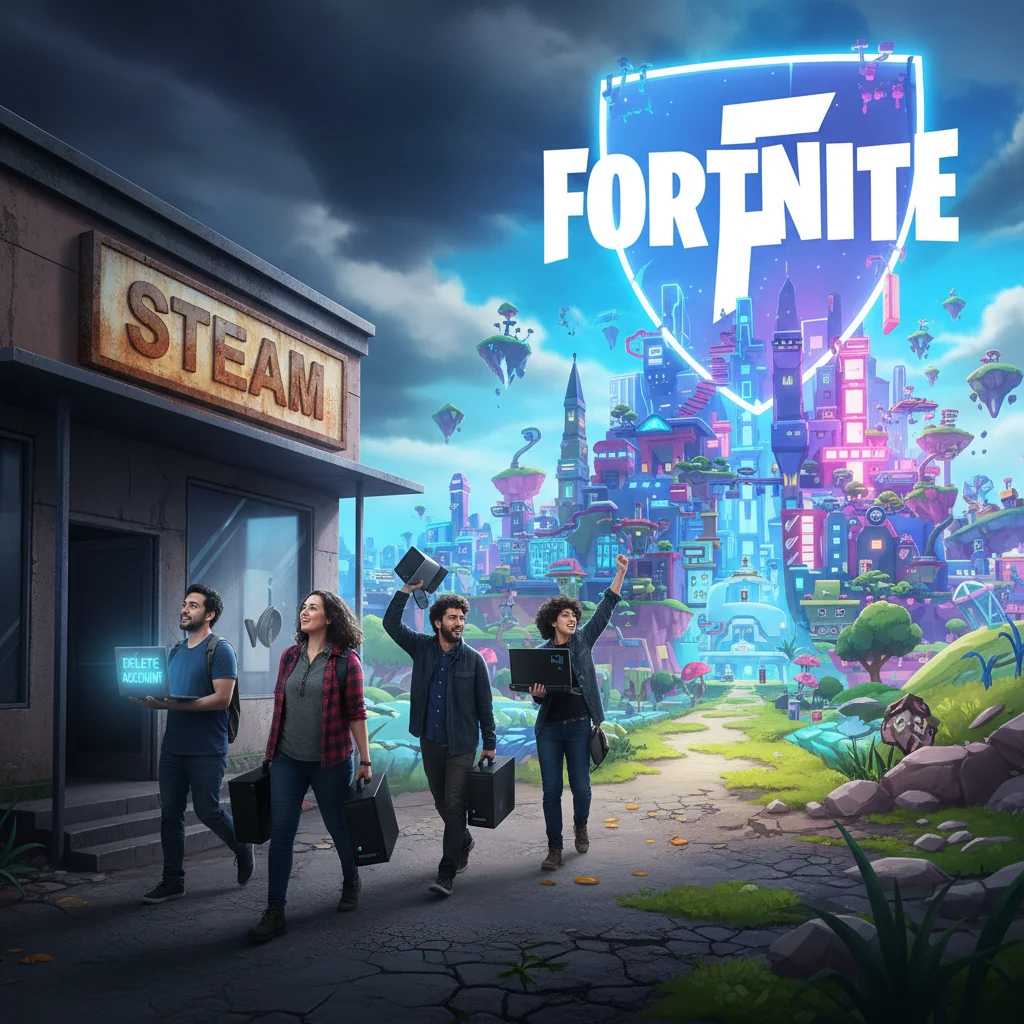
For decades, the path for an independent game developer was predictable. You built your game, paid a hundred dollars to list it on Steam, spent months begging influencers for wishlists, and prayed the algorithm didn’t bury your life’s work on launch day. But this autumn, a growing number of indie studios are choosing a radically different route. They are launching their games inside Fortnite.
Thanks to the Unreal Editor for Fortnite (UEFN), launched by Epic Games, the line between custom multiplayer maps and standalone games has completely blurred. What started as simple deathmatches and obstacle courses has evolved into a wave of sophisticated, multi-hour role-playing games (RPGs). This fall, as Steam prepares for its usual deluge of holiday releases, UEFN is hosting full-scale fantasy worlds, sci-fi survival games, and deep dungeon crawlers—all accessible with a single click from the Fortnite lobby.
The Math Driving the Shift
The motivation behind this shift isn’t just creative; it is intensely financial. Steam famously takes a 30% cut of all sales. On top of that, developers must handle their own server costs, matchmaking infrastructure, and marketing. For a small team, these expenses can easily tank a project before it even launches.
Epic Games offers a very different deal. Through its “Creator Economy 2.0,” Epic distributes 40% of Fortnite’s net revenue back to map creators based on player engagement. If players spend time in your game, you get paid. Epic handles the matchmaking, the global server scaling, and the payment processing. There is no storefront listing fee, and the potential audience is already sitting at over 230 million monthly active users.
“On Steam, we would need to spend at least $50,000 on marketing just to get noticed,” says Liam Vance, a veteran indie designer who recently moved his four-person team entirely to UEFN development. “Inside Fortnite, we can update our game daily, leverage Epic’s built-in multiplayer backend for free, and tap into a massive player base that doesn’t need to put in a credit card to try our game.”
Technological Leaps and Persistence
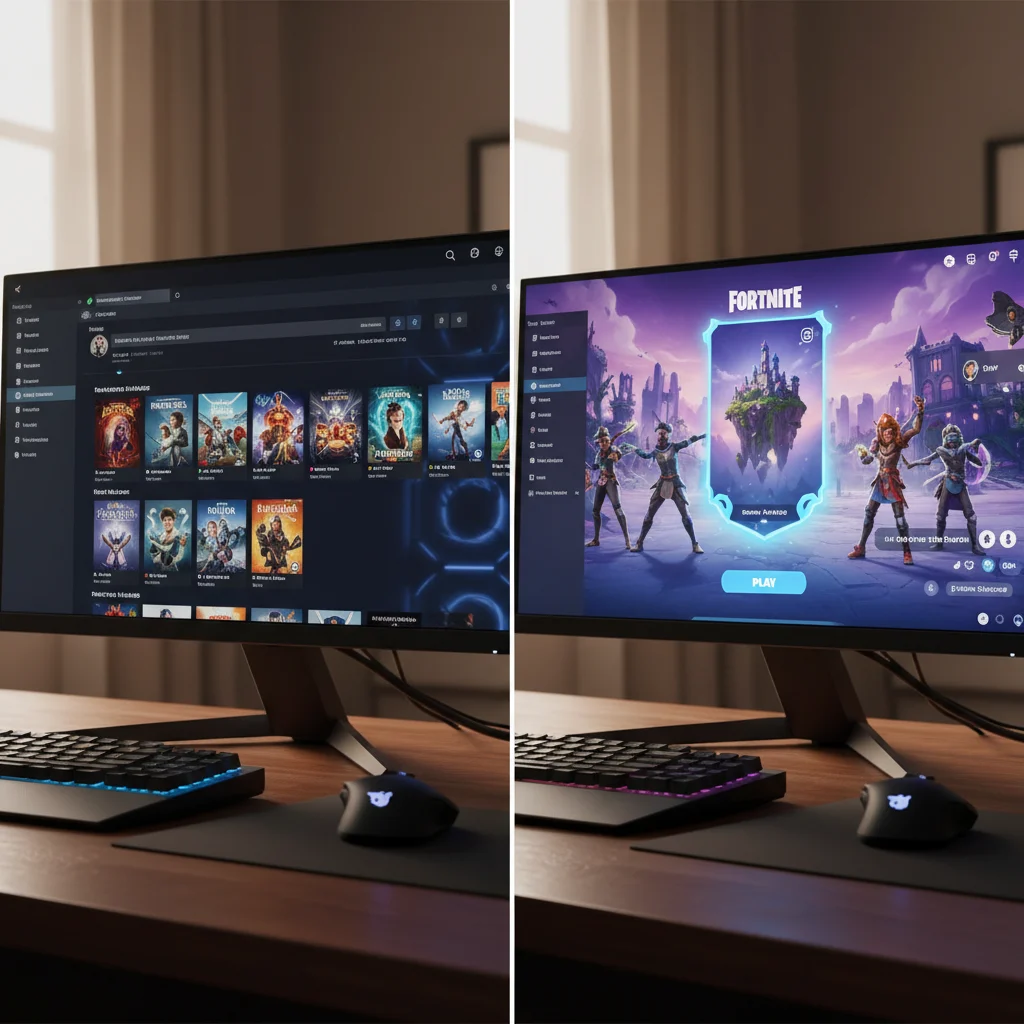
Building a true RPG requires complex mechanics. You need inventory systems, quest logs, and, most importantly, the ability for players to save their progress and return later. Until recently, Fortnite’s creative tools made this nearly impossible. If a player left a map, their progress was wiped.
That changed with recent updates to UEFN’s native programming language, Verse. Epic introduced robust global save-state APIs, allowing developers to create persistent worlds. Now, if a player grinds for ten hours to forge a legendary sword in a UEFN RPG, that sword is still there when they log back in the next day.
This technical evolution has paved the way for ambitious projects. Games like Valhalla, an open-world Viking RPG, and various custom survival titles have already generated millions of plays. This fall, developers are pushing those boundaries further with faction-based multiplayer RPGs, detailed questlines, and custom voice acting—all running inside the Fortnite client.
- Zero Friction: Players don’t need to download a new client or create a new account to play an indie RPG.
- Cross-Platform by Default: Your game instantly runs on PC, PlayStation, Xbox, Nintendo Switch, and mobile devices.
- Rapid Iteration: Developers can push updates in minutes rather than waiting days for console certification.
The Hidden Hurdles
Despite the optimism, the Fortnite ecosystem is not a guaranteed goldmine. Discoverability inside Fortnite’s user interface remains a massive headache. The in-game menu is notorious for promoting copycat “red vs. blue” shooters over high-effort, original projects. Epic’s payout algorithm is also notoriously opaque, leaving some developers guessing how much they will earn from month to month.
There is also the cultural challenge. Fortnite players are notoriously impatient. Retaining a teenager who is used to fast-paced battle royale gunfights for a slow-burn, narrative-driven RPG is a tough sell. Developers are forced to design games that hook players within the first sixty seconds, a pacing constraint that traditional Steam RPGs do not have to worry about.
A Battle for the Future of Indie Gaming
We are watching a real-time experiment in how games are distributed. If this fall’s crop of UEFN RPGs succeeds in keeping players engaged over weeks and months, the gravity of the indie game industry could shift permanently. Steam will always be the home for prestige single-player experiences, but for small teams looking to build multiplayer worlds, Fortnite is rapidly becoming too lucrative to ignore.