How Japan’s New App Laws Are Fueling Fortnite’s Mobile Comeback
Japan’s upcoming 2026 smartphone regulations and Epic’s expanding mobile store are driving a massive global player resurgence for Fortnite.
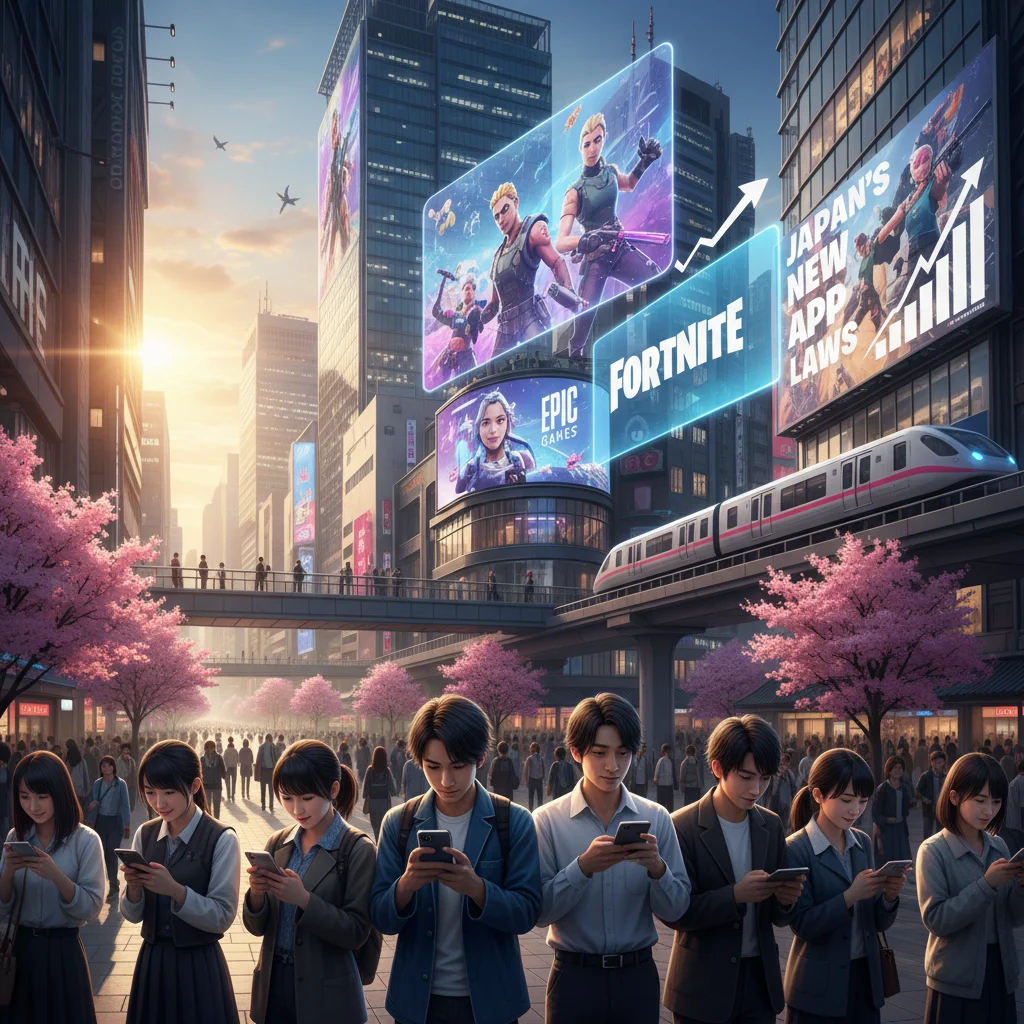
Fortnite is clawing its way back to your phone.
It has been a long, messy road. After getting kicked off the iOS App Store and Google Play in 2020, Epic Games’ flagship battle royale seemed destined to live only on consoles and PCs. But the tide is turning. A mix of aggressive regulatory pushes and Epic’s own expanding mobile storefront is fueling a massive player resurgence.
The next major battlefield is Japan.
The Japanese Regulatory Push
In June 2024, Japan’s parliament passed the Act on Promotion of Competition for Specified Software. Scheduled to take full effect by late 2025 or early 2026, the law takes direct aim at Apple and Google’s mobile monopolies. It forces them to allow third-party app stores and alternative payment systems. For Epic, this is the golden ticket.
Japan represents one of the most lucrative gaming markets on earth. Handheld gaming is king there, making mobile access crucial. Under the new Japanese legislation, tech giants that block rival marketplaces could face crushing fines. We are talking 20% of their local revenue. If they keep violating the rules, that penalty jumps to 30%. With fees that high, Apple and Google have little choice but to play ball.
Epic is already running with this momentum. In August 2024, the developer launched the Epic Games Store on iOS in the European Union and on Android worldwide. The launch was a direct result of Europe’s Digital Markets Act. Now, Epic is preparing to bring its store to Japanese iOS devices as soon as the 2026 law goes live.
Global Player Counts Are Climbing
The strategy is already yielding results. Global player counts are climbing. Epic Games CEO Tim Sweeney recently noted that getting Fortnite back into the hands of mobile users is key to the game’s long-term survival. Before the 2020 bans, iOS accounted for a massive chunk of Fortnite’s daily active users. Millions of players simply stopped playing when the app vanished. Now, they are coming back.
It is not just about nostalgia. Epic has spent the last few years transforming Fortnite from a simple battle royale into a massive gaming ecosystem. With the addition of Lego Fortnite, Rocket Racing, and Fortnite Festival, the platform offers something for everyone. Giving mobile players access to this expanded universe is proving to be a highly successful move.
Courting Developers with Better Rates
Epic is not just fighting for its own games. The company is actively trying to disrupt the entire mobile ecosystem by offering developers a much sweeter deal than the status quo. While Apple and Google traditionally take a 30% cut of all sales, Epic offers an 88/12 revenue split on its store. That means developers keep 88% of their earnings.
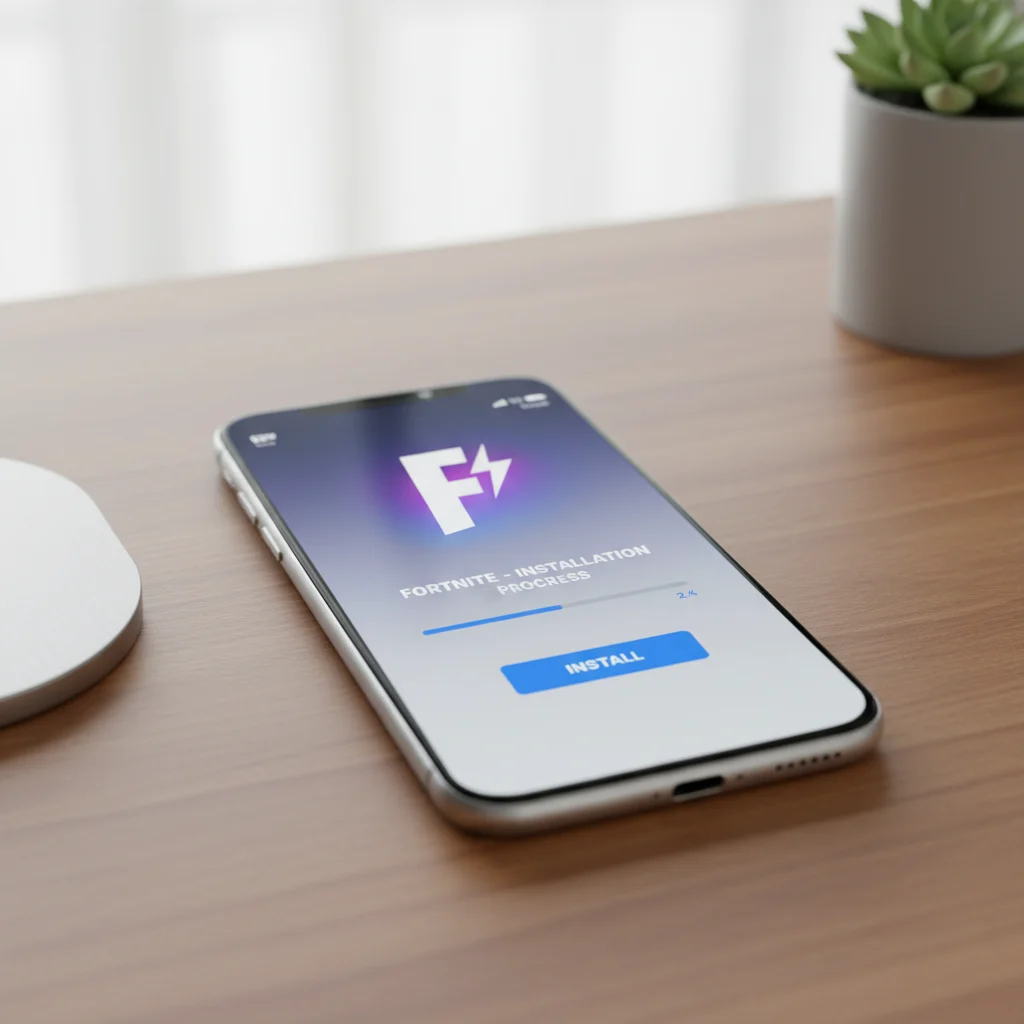
But challenges remain. Downloading third-party stores on iOS is still a clunky, multi-step process in Europe. Apple has put up what critics call “scare screens”—warnings that try to deter users from installing outside apps. Epic is betting that as regulators in Japan and elsewhere refine their laws, these artificial barriers will crumble.
The Japanese market could be the tipping point. Unlike western markets where console and PC gaming dominate, Japan’s daily commute culture makes mobile phones the primary gaming device for millions. Winning back Japanese players could push Fortnite’s active user base to heights not seen since its peak.
Ultimately, the ongoing mobile rollout shows that Epic’s high-stakes gamble might actually pay off. Sweeney and his team spent years spending millions on legal fees and burning bridges with platform holders. Today, those efforts are reshaping the mobile ecosystem. As 2026 approaches, the walls around the world’s most profitable app stores are finally starting to fall. And Fortnite is ready to march right through.