Fortnite Legacy Vault Sparks Rare Skin Exclusivity Debate
Epic Games opens the Legacy Vault, selling rare Chapter 1 Battle Pass cosmetics and sparking a fierce debate over digital exclusivity in Fortnite.
The Vault is Open
For years, Epic Games built Fortnite on a very simple promise: if you did not unlock a Battle Pass item during its active season, it was gone forever. That artificial scarcity created a lucrative economy of prestige. Players wore early-season skins like badges of honor, proving they had been there since the beginning.
Now, that foundational rule is gone. Epic Games has officially introduced the Legacy Vault tab to the Fortnite Item Shop. This new feature brings back highly coveted Chapter 1 Battle Pass cosmetics, making them available for direct purchase. The move has delighted millions of newer players, but it has deeply angered the game’s old-guard community.
A Sudden Shift in Policy
The arrival of the Legacy Vault is the culmination of a policy shift that started earlier this year. Back in August, Epic Games announced that future Battle Pass items could eventually enter the Item Shop after a minimum of 18 months. At the time, the publisher assured fans that this policy would only apply to upcoming seasons, leaving legacy rewards safe from re-release. This compromise seemed to satisfy most players.
But the Legacy Vault breaks that boundary. By digging into Chapter 1—the golden era of Fortnite’s cultural explosion—Epic is offering cosmetics that players earned through hundreds of hours of grinding back in 2017 and 2018. Iconic skins, emotes, and gliders that once represented years of loyalty are now sitting behind a standard V-Bucks price tag.
OG Players Feel Betrayed
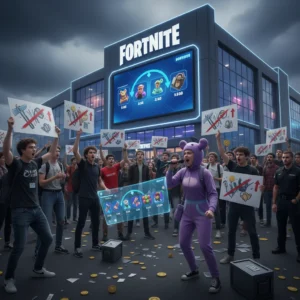
Within hours of the shop update, social media platforms erupted. Long-time players accused Epic Games of greed and breaking trust. To these veterans, the rarity of their digital lockers was the main reason they kept playing. Wearing an original skin from Season 2 or Season 3 was a status symbol in the lobby. It commanded respect.
“I spent weeks grinding for these items because Epic told us they would never return,” one player wrote on Reddit. “Now anyone with a credit card can just buy them. It completely cheapens the achievement.”
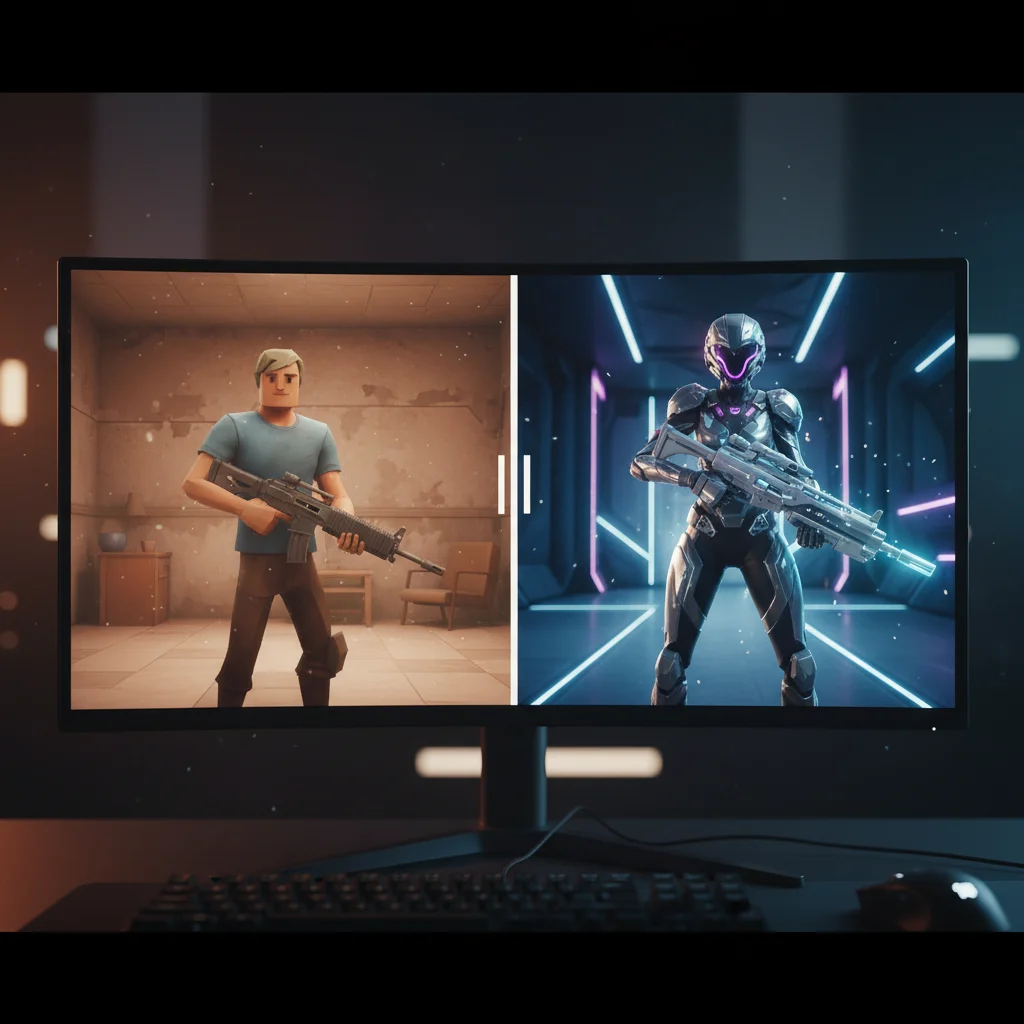
This sentiment highlights a bizarre but very real aspect of modern gaming culture: the value of digital heritage. When everyone can look like a veteran, the illusion of prestige evaporates. For players who have stuck with Fortnite for seven years, the Legacy Vault feels like a slap in the face.
The Case Against Gatekeeping
On the other side of the fence, the vast majority of Fortnite’s current player base is celebrating. Millions of active players missed Chapter 1 entirely. They argue that locking the game’s best designs behind an arbitrary time barrier serves no practical purpose.
Proponents of the change point out that artificial scarcity only benefits account sellers. A shady secondary market has thrived for years, with people selling old Fortnite accounts for hundreds, sometimes thousands of dollars. By making these skins legally available in the official shop, Epic Games is actively dismantling this illegal trade. It makes the game safer for younger players who might otherwise get scammed trying to buy an “OG” account.
Furthermore, many gamers believe that cosmetic gatekeeping is fundamentally toxic. They argue that a game should be enjoyed for its gameplay and self-expression, not because someone has a virtual item that someone else cannot get. From their perspective, more choice is always better.
The Financial Reality of Live Services
At its core, this decision is about business. Fortnite is a free-to-play game, and Epic Games needs to keep its revenue streams healthy. Re-releasing classic Chapter 1 cosmetics is an easy win for the company’s bottom line. The demand for these items is astronomical, and the development cost to bring them back is practically zero.
It also sets a major precedent for the entire live-service industry. If Fortnite, the king of battle passes, can abandon the concept of permanent exclusivity, other games will likely follow suit. The era of the truly exclusive digital collectible might be coming to an end, replaced by a system where everything has a price, eventually.
For now, the Item Shop remains a battleground. Some players are boycotting the new tab, while others are happily filling their lockers with the skins they missed years ago. Epic Games has made its choice, proving that in the world of live-service gaming, nostalgia is the ultimate commodity.