Fortnite iOS Japan Adoption Slowed by Install Hurdles
Japan’s new tech laws paved the way for Fortnite’s return to iPhones, but complex installation steps are keeping player numbers low.
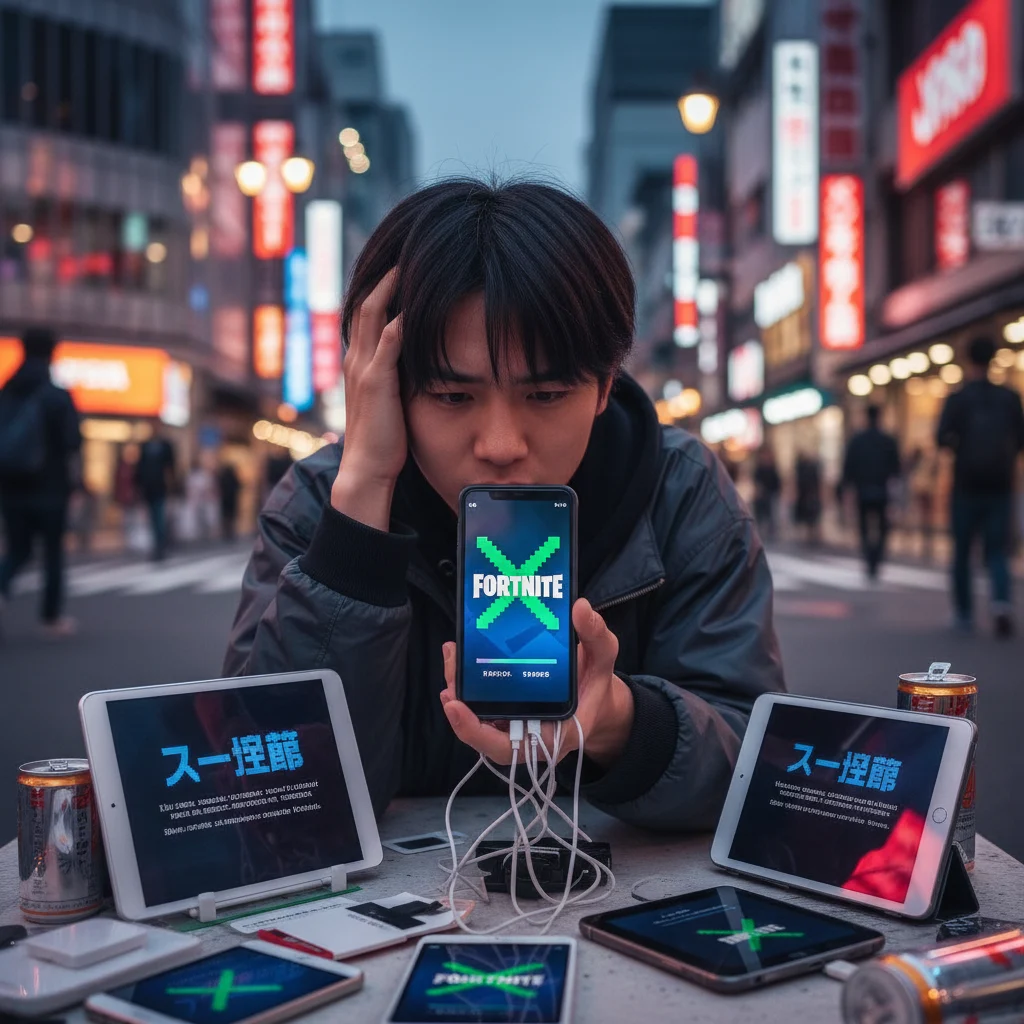
Fortnite is finally back on iPhones in Japan, but the legendary battle royale isn’t an instant blockbuster this time. A major regulatory shift was supposed to clear the way for a triumphant return. Instead, early data shows that getting Japanese players to download the game through alternative channels remains a steep uphill climb.
Last year, Japan’s parliament passed the Act on Promotion of Competition for Specified Smartphone Software. Mirroring Europe’s landmark Digital Markets Act, the law aims to bust the tight grip Apple and Google hold over their app ecosystems. It forces tech giants to permit third-party app stores and alternative payment systems. Epic Games was quick to jump on the opportunity. It launched its Epic Games Store app on iOS in Japan to bring its flagship game back to local screens.
But passing a law is one thing. Changing deep-seated consumer habits is another entirely.
The Friction of the ‘Side-Load’
Under the new Japanese rules, Apple must let users install alternative marketplaces. However, the iPhone maker has not made the process particularly welcoming. Installing the Epic Games Store requires navigating a maze of iOS system warnings, setting toggles, and multi-step confirmations. To the average user, these screens look like serious malware alerts.
“The friction is immense,” says Serkan Toto, CEO of Tokyo-based game industry consultancy Kantan Games. “The average mobile player in Japan is used to the absolute simplicity of the official App Store. When they see multiple system alerts warning them about security risks, most of them simply abandon the process.”
Data from local market research firms suggests that while initial search interest was high, drop-off rates during the actual installation process reached as high as 60%. Millions of younger Japanese gamers who grew up playing Fortnite on Nintendo Switch or PC simply are not bothering to jump through hoops to get it on their mobile phones.
A Highly Competitive Mobile Market
Japan is one of the most lucrative mobile gaming markets on earth. But it is also highly unique. Local players favor RPGs and gacha games like Fate/Grand Order or Monster Strike. These titles are readily available on the native App Store without any installation hurdles.
When Epic Games was booted from the App Store in 2020, Fortnite lost its mobile foothold in the country. In the four years since, players moved on. They did not stop playing shooters; they just switched to mobile-friendly rivals like NetEase’s Knives Out or stuck to consoles.
Japan is traditionally a console-first nation, dominated heavily by Nintendo. When the mobile version of Fortnite disappeared, the Nintendo Switch became the default way to play the game on the go. Convincing those players to return to iOS, especially with a difficult installation process, is proving difficult.
Epic is trying to fight back with localized marketing. They have teamed up with popular Japanese virtual YouTubers (VTubers) and offered exclusive in-game cosmetics for players who successfully download the iOS version. But these promotions face a technical bottleneck. If a player cannot easily install the store, a free cosmetic will not save the day.
The Long Game for Epic
Despite the slow start, Epic Games CEO Tim Sweeney remains optimistic about the long-term prospects. Epic has long maintained that this fight is a marathon, not a sprint. The goal is not just to get Fortnite back on phones today. It is to establish the Epic Games Store as a viable alternative platform for all developers in the future.
But other developers are watching Epic’s adoption rates closely. If the creator of Fortnite cannot convince users to install a third-party store, smaller studios certainly will not risk leaving the safety of Apple’s official ecosystem.
For now, the Japanese government is monitoring how Apple implements the new rules. Regulators have warned that any artificial barriers designed to scare off users could result in heavy fines, up to 20% of domestic revenue. Whether those warnings will translate into a smoother installation process—and a surge in Fortnite players—remains to be seen.