Fortnite Breaks Shop Rules with Permanent Disney Store
Fortnite is ditching its famous 24-hour shop rotation for a permanent Disney Marketplace, forever changing how players buy skins.
For years, logging into Fortnite at 7:00 PM Eastern Time was a daily ritual for millions of players. They rushed to check the Item Shop, driven by a simple, powerful force: the fear of missing out. If you did not buy a specific skin tonight, it might not return for months, or even years. The clock was always ticking.
That era is officially ending.
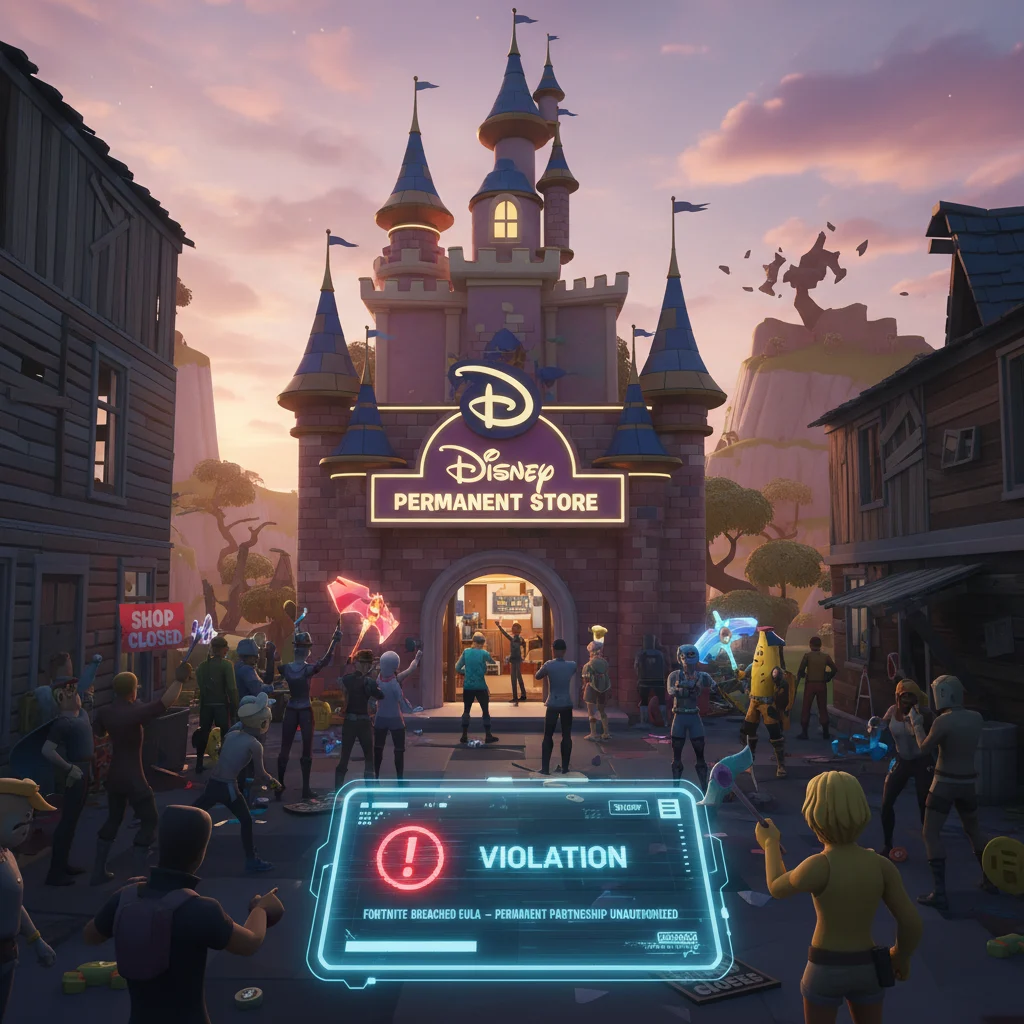
Epic Games has introduced the “Disney Marketplace,” a permanent new tab inside the Fortnite Item Shop. This dedicated storefront represents a massive departure from the game’s traditional, FOMO-driven 24-hour rotation system. It is the most visible result yet of Disney’s eye-watering $1.5 billion investment in Epic Games, which was announced earlier this year.
The update fundamentally changes the rules of Fortnite’s virtual economy. Instead of relying on flash sales and artificial scarcity, Epic is building a digital mall that never closes.
A Store That Never Sleeps
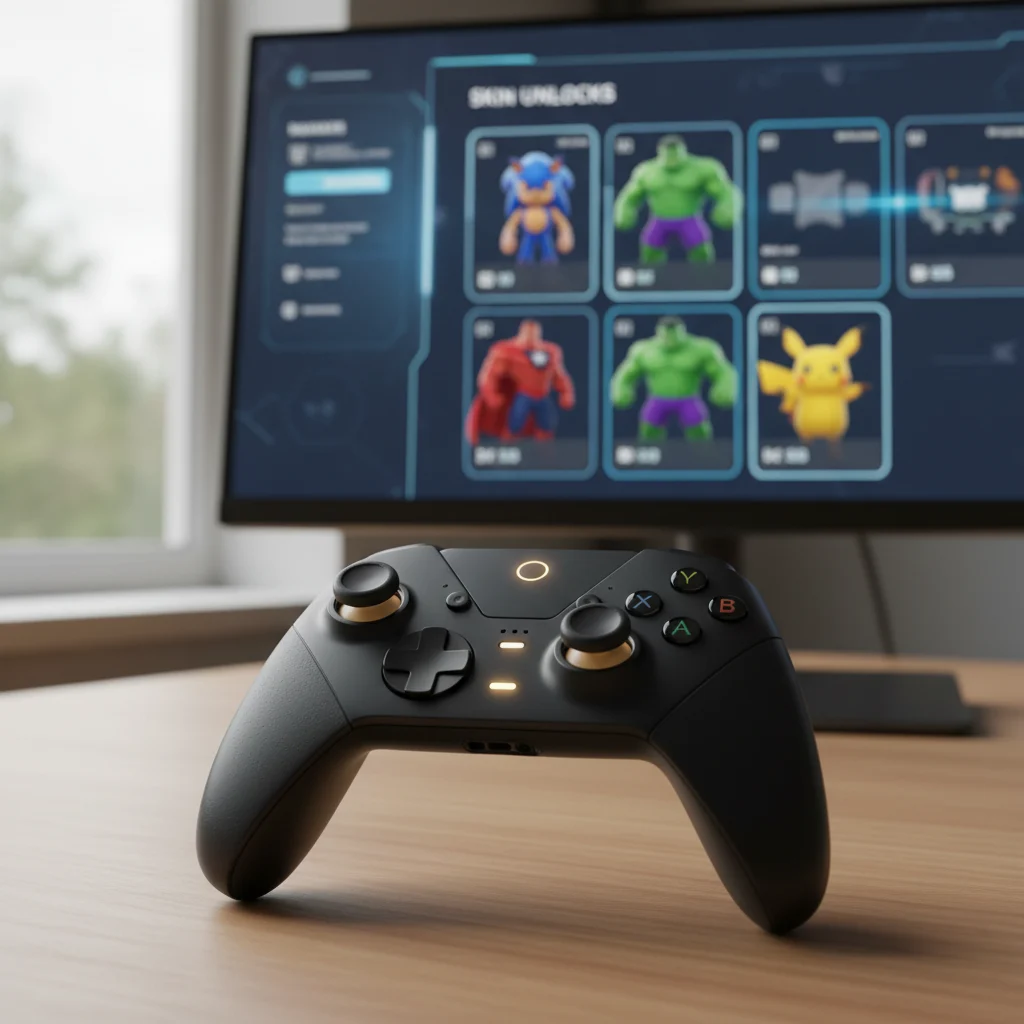
The new marketplace serves as a one-stop shop for Disney’s massive portfolio of intellectual property. Inside, players can browse sections dedicated to Marvel, Star Wars, Pixar, and classic Disney villains. Whether you want to drop into Battle Royale as Luke Skywalker, battle opponents as Captain America, or glide across the map as Maleficent, the options are staying put.
While standard Fortnite cosmetics will still rotate out on the daily timer, the Disney section remains anchored. It behaves much like a traditional digital storefront. You want it? You buy it. No waiting required.
This transition makes perfect sense when you look at the sheer scale of the Epic-Disney alliance. When Disney CEO Bob Iger announced the company’s minority stake in Epic Games back in February, he described it as Disney’s “biggest entry ever into the world of games.”
The goal was never just to put a few Disney skins in a battle pass. The two giants are building an entire persistent universe connected to Fortnite. Having a permanent marketplace is the retail foundation for that grand ecosystem.
The Death of Scarcity?
For players, the reaction has been a mix of relief and curiosity. Many are glad they no longer have to rely on random luck to buy their favorite pop-culture characters. No more checking fan-made tracker apps every evening, hoping a beloved collaboration will finally return to the rotation.
On the other hand, some collectors who pride themselves on owning rare virtual items are watching the old model dissolve. In Fortnite, digital items carry social capital. If any player can purchase a Marvel hero or a Disney villain at any time of the year, the perceived rarity of those skins drops to zero. The prestige is gone.
But Epic Games is playing a longer game. Fortnite is no longer just a battle royale shooter. It is a sprawling platform hosting LEGO Fortnite, Rocket Racing, and Fortnite Festival. In a multi-game ecosystem, keeping valuable collaborative items locked away in a digital vault makes very little business sense. If a kid logs into LEGO Fortnite for the first time and wants to play as Jack Skellington, Epic wants to sell them that skin immediately, not six months from now.
What Comes Next
This shift could signal what is ahead for other major brands. Fortnite already has deep, ongoing partnerships with Lego, Hasbro, and various music labels. It is highly likely we will see other permanent brand “neighborhoods” pop up in the shop soon. We might eventually see a permanent Nike or anime tab.
Ultimately, the Disney Marketplace proves that Fortnite is outgrowing its original identity. The game is no longer just a digital playground. It is becoming a virtual city, and its shops are finally staying open for business.