Fortnite Battle Pass Change Sparks Fierce Rarity Debate
Epic Games is facing a massive community divide over the potential return of classic, once-exclusive Fortnite Chapter 1 Battle Pass skins.
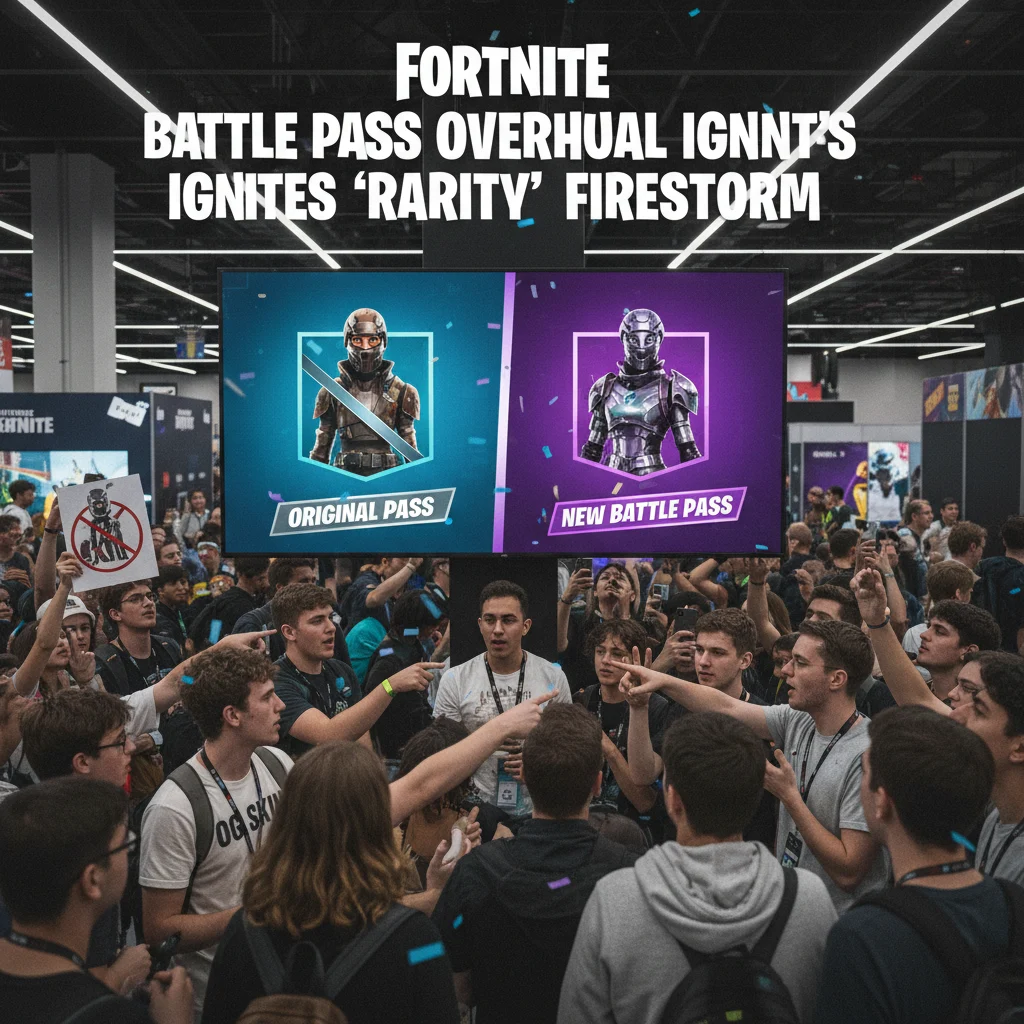
Fortnite players love their digital status symbols. For years, wearing a skin from the game’s earliest seasons was the ultimate flex. It proved you were there in 2017 or 2018, surviving Tilted Towers before the game became a global cultural phenomenon.
But that digital street cred is facing a major identity crisis.
Epic Games recently upended its long-held rules on Battle Pass exclusivity. While the new policy technically only applies to future items, it has cracked open a massive, angry debate about the fate of legacy Chapter 1 cosmetics. Should the rarest skins in gaming history stay locked away forever? Or is it time for Epic to kill off artificial scarcity once and for all?
The Rule Change That Started It All
In August 2024, Epic Games quieted a lot of long-standing complaints by changing how future Battle Passes work. Previously, if you missed a Battle Pass, those skins were gone forever. Now, Epic says items from future passes can appear in the Item Shop 18 months after the season ends.
It was a sensible business move. It reduces player burnout and lets latecomers buy popular collaborative skins. But the announcement immediately turned heads toward the past. What about the OG items? What about the Black Knight from Season 2, or the Reaper from Season 3?
Currently, Epic maintains that legacy Battle Pass items from Chapters 1 through 5 will remain exclusive. They were sold under the promise of never returning, and Epic is keeping that promise for now. But that has not stopped the community from tearing itself apart over whether that promise should be broken.

The Battle of the “OGs” vs. the New Guard
On one side of the digital fence are the veteran players. To them, these old skins are badges of honor. For these players, exclusivity is the point. The skins are not just digital outfits; they are virtual trophies. Some of the most debated skins include:
- The Black Knight: The tier 70 reward from Season 2, representing the absolute pinnacle of early Fortnite bragging rights.
- The Reaper: The John Wick-inspired skin from Season 3, prized for its sleek design and intimidating presence.
- Omega: The highly customizable Season 4 skin that required a massive level grind to fully unlock.
“I ground out the Level 80 Omega lights in Season 4,” says one veteran player on Reddit. “If someone can just buy that in the shop for twenty bucks, it cheapens the hundreds of hours I put into the game back then.”
On the other side are millions of players who joined the game later. Many were too young to play in 2018, or simply missed the boat. To them, keeping classic pop-culture designs or original characters locked in a digital vault forever makes no sense. “Gatekeeping digital files is ridiculous,” countered another fan on social media. “Let people buy what they want. Epic is leaving millions on the table by not selling these old skins.”
The Psychology of FOMO
This clash highlights a deeper tension in modern gaming: the reliance on FOMO, or the fear of missing out. For years, Fortnite thrived on this exact model. Limited-time events and exclusive passes forced players to log in daily and spend money quickly, lest they lose their chance forever.
But as the game matures, that model shows its age. Epic’s shift for future passes proves the studio knows FOMO can eventually alienate players instead of engaging them. Yet, retroactively changing the rules for legacy items is a legal and public-relations minefield. Some players argue that buying those early passes constituted a social contract—if not a legal one—that Epic cannot simply tear up without facing immense backlash or even potential lawsuits over deceptive marketing.
Will Epic Ever Cross the Line?
So far, Epic Games is staying quiet on any plans to re-release older Battle Pass content. But they have found clever workarounds in the past. We have seen “remixed” versions of classic skins, like the Spectra Knight or various item shop redesigns of Midas and Peely. These compromises give newer players a taste of classic designs without technically breaking the exclusivity promise.
Still, the pressure is mounting. As Fortnite continues to position itself as a permanent virtual space rather than just a battle royale game, holding onto six-year-old exclusivity rules feels increasingly outdated to a massive chunk of its user base. For now, the Black Knight remains a rare sight on the battlefield. But in a game that changes as fast as Fortnite, nothing is truly set in stone.