Fortnite’s AI Shop Makeover Will Destroy Skin Rarity
Epic Games is replacing the Fortnite Item Shop with an AI-curated feed in October 2026, a move that could kill the rare skin trading market.
The End of the Daily Reset
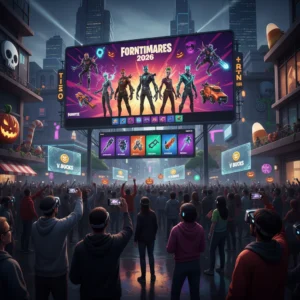
Fortnite is about to change forever. For nearly a decade, millions of players have shared a daily ritual. At 8:00 PM Eastern Time, the Item Shop resets. Everyone sees the exact same digital goods, hoping a long-lost skin finally returns.
By October 2026, that shared experience will be gone.
Epic Games is quietly preparing to retire the traditional storefront. In its place, the publisher will launch a fully personalized, AI-curated marketplace. The system will customize the shop’s inventory for every single player based on their individual playstyle, spending habits, and cosmetic preferences.
The move promises to make Epic a lot of money. But it is also sending shockwaves through the game’s massive collector community.
How the AI Shop Works
The transition to an AI-driven model represents a massive technical pivot for Epic. Instead of a static catalog curated by a human marketing team, the new shop relies on machine learning models trained on years of player data.
If you spend hours playing Fortnite’s Lego mode, your shop will lean heavily toward Lego-compatible styles. If you frequently use sniper rifles, expect to see stealthy, camouflage outfits. The algorithm will even track how long you linger on certain items in the preview screen.
“Epic is looking to solve a classic e-commerce problem,” says Marcus Vance, a senior gaming analyst at PixelMetrics. “A static shop means you are constantly showing products to people who have zero interest in them. By tailoring the storefront to individual users, conversion rates skyrocket. It is highly efficient, but it completely changes the social dynamic of the game.”
The Death of Artificial Scarcity
For years, Fortnite’s economy has run on artificial scarcity. Epic kept certain skins out of the shop for hundreds, sometimes thousands of days. This scarcity birthed a lucrative, albeit prohibited, gray market where players buy and sell old accounts for thousands of dollars. Skins like the original Renegade Raider or highly sought-after crossover characters became status symbols.
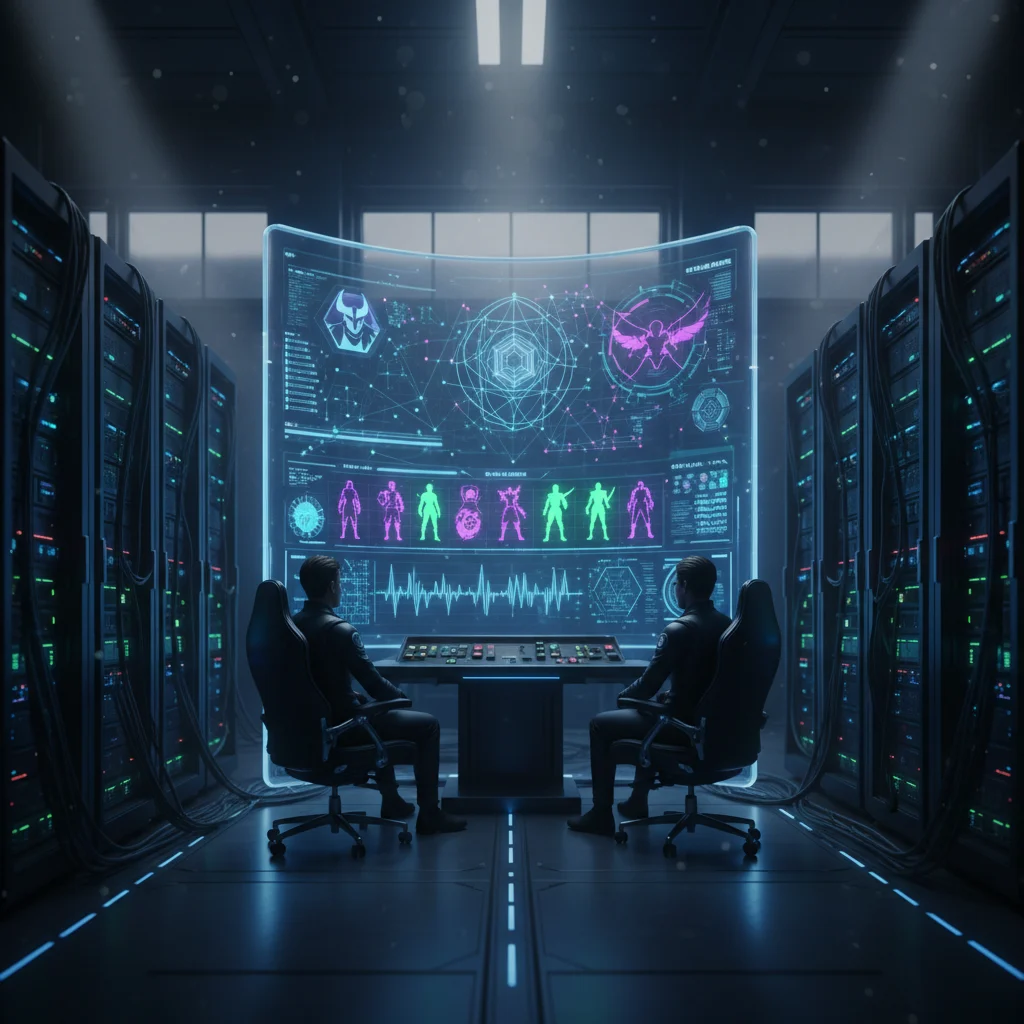
The AI-curated shop could kill that market overnight.
Under the new system, if the algorithm detects that a player has a strong affinity for vintage cosmetics, it will likely offer those exact legacy skins directly to them. The concept of a “rare” skin will effectively cease to exist.
“The trading value of these accounts relies entirely on the fact that you cannot get these skins anymore,” says Tyler “Ghost” Miller, a veteran Fortnite cosmetic trader. “If anyone can just trigger an AI prompt to put an old skin in their personal shop, the status symbol is gone. The value of my locker just plunged to zero.”
Epic Games has defended the upcoming shift. In an internal memo leaked to industry insiders, the company noted that the current system frustrates players who miss out on limited-time collaborations. “Our goal is to democratize access to the game’s history,” the memo reads. “We want players to express themselves with the cosmetics they love, rather than forcing them to wait years for a random rotation.”
A Divided Community
The reaction from the player base is deeply split. Casual players are largely thrilled. The prospect of finally buying a beloved skin without waiting on a randomized daily reset is a massive quality-of-life upgrade.
But for dedicated collectors, the change feels like a betrayal. Some have spent years building rare archives.
“It cheapens the experience,” says Fortnite streamer Jessica “Aura” Chen. “Part of the fun of wearing an old skin was the ‘wow’ factor in the lobby. People knew you had been playing since 2018. If everyone can buy their way into looking like an OG player, that history gets wiped out.”
Whether players love it or hate it, the AI era is coming. Epic is already testing smaller recommendation algorithms in select regions ahead of the full October 2026 rollout. The daily shop reset, once a cornerstone of gaming culture, is officially on borrowed time.