Coin Master Players Targeted by Massive Free Spin Scam
Cybersecurity experts warn Coin Master players about a wave of malicious ‘free daily spin’ generators designed to steal accounts and bank details.
A Highly Lucrative Trap for Mobile Gamers
It starts with a simple, tempting promise. Click a link, spin a digital wheel, and instantly claim thousands of free spins. For millions of Coin Master players, that offer is incredibly hard to resist. But cybersecurity experts are warning that a massive wave of malicious “free daily spin” generators is targeting players this October, leaving a trail of hacked accounts and empty wallets in its wake.
Coin Master, developed by Moon Active, remains one of the most profitable mobile games on the planet. Its gameplay revolves around slot machine spins, which players use to build and upgrade their villages. When players run out of spins, they must either wait hours for a refill or buy them with real money. This setup makes players highly susceptible to shortcuts.
Inside the Fraudulent Schemes
Researchers at Vanguard Cyber Labs first noticed the surge in early October 2026. Scammers are flooding social media platforms—particularly TikTok, Telegram, and Facebook—with sponsored advertisements. These ads direct users to highly polished websites that perfectly mimic official Moon Active branding.
“We saw a 340% increase in rogue domains targeting Coin Master players in the first half of October,” says Sarah Jenkins, lead threat analyst at Vanguard Cyber Labs. “The attackers are highly organized. They are taking advantage of recent autumn in-game events when player demand for spins is at an all-time high.”
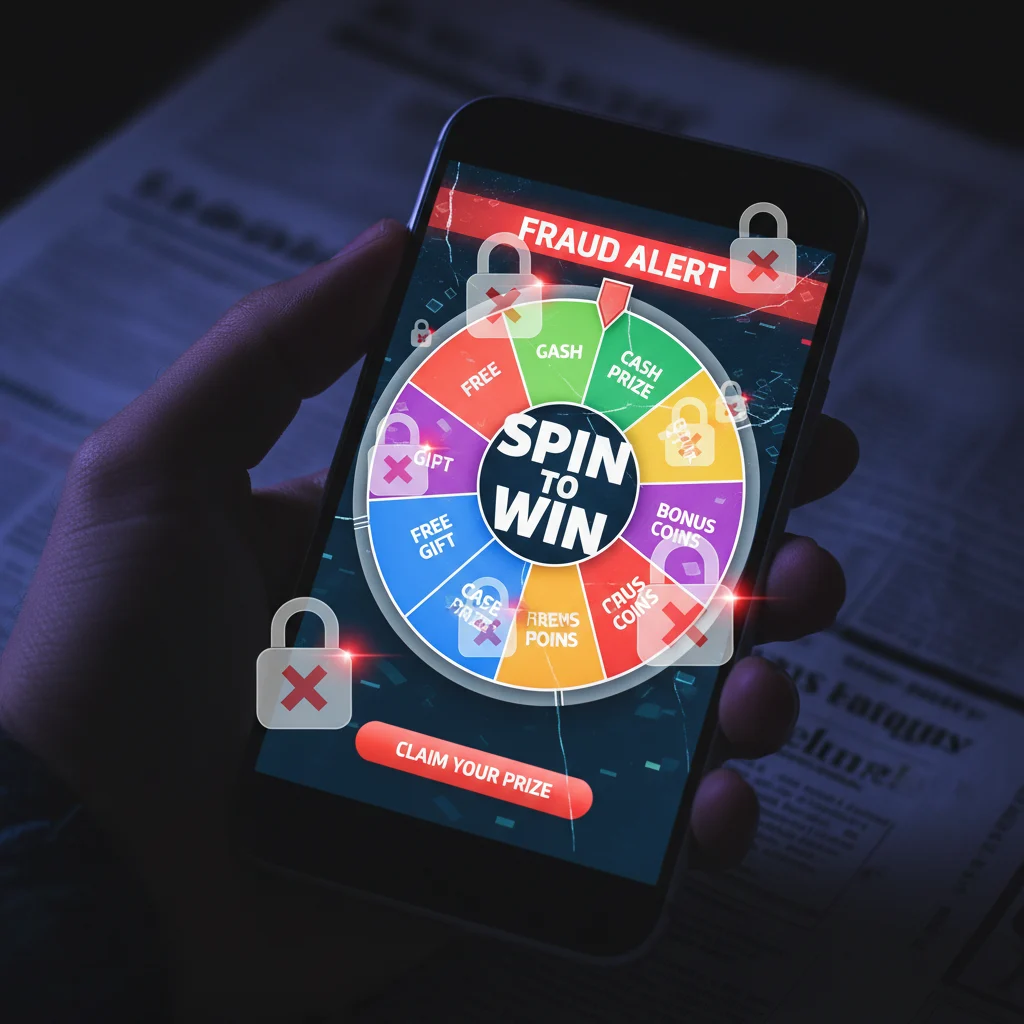
Once a player lands on one of these fraudulent websites, they see a realistic interactive wheel. They spin it and inevitably “win” a massive prize, such as 5,000 free spins. To claim the reward, the site prompts the player to log in using their Facebook credentials. This is where the trap snaps shut.

How Hackers Exploit the Stolen Data
Because Coin Master uses Facebook to save game progress and connect with friends, obtaining these login details gives hackers immediate access. But they do not stop at the game. With the hijacked Facebook credentials, bad actors gain access to personal profiles, private chat histories, and any payment methods linked to the social media account.
In some cases, the scam takes an even more dangerous turn. If players do not log in via Facebook, the site claims they must perform a “human verification step.” Users are instructed to download an external app or utility tool to verify their identity. In reality, these downloads are Trojan horse programs and spyware. Once installed on a smartphone, this malware can run silently in the background, logging keystrokes, tracking location, and even intercepting SMS verification codes sent by banks.
“These aren’t the obvious, poorly written phishing pages we used to see years ago,” Jenkins explains. “They use secure HTTPS connections, display flawless mobile layouts, and use psychological tricks like countdown timers to force players into making quick, reckless decisions.”
Protecting Your Device and Data
Security experts urge players to remember one simple rule: Moon Active never distributes spins through third-party websites. Authentic daily rewards are only shared through verified social media accounts, and they always open the official game app directly rather than redirecting to a browser page.
To stay safe, Vanguard Cyber Labs recommends the following precautions:
- Never enter your Facebook or Google passwords on external websites promising game rewards.
- Avoid downloading any applications from third-party sites or unofficial app stores.
- Enable two-factor authentication (2FA) on all social media and email accounts.
- Regularly check your linked apps in your Facebook settings and revoke access to any unfamiliar platforms.
If you suspect you have already fallen victim to one of these generators, change your social media passwords immediately. You should also check your bank accounts for unauthorized charges and run a complete malware scan on your mobile device. A few extra spins are never worth risking your entire digital identity.