Coin Master Players Targeted by Massive October Phishing Scam
Cybercriminals are targeting Coin Master players with fake free spin links during October 2026 events. Here is how to protect your account.
Scammers Target Mobile Gamers During October Events
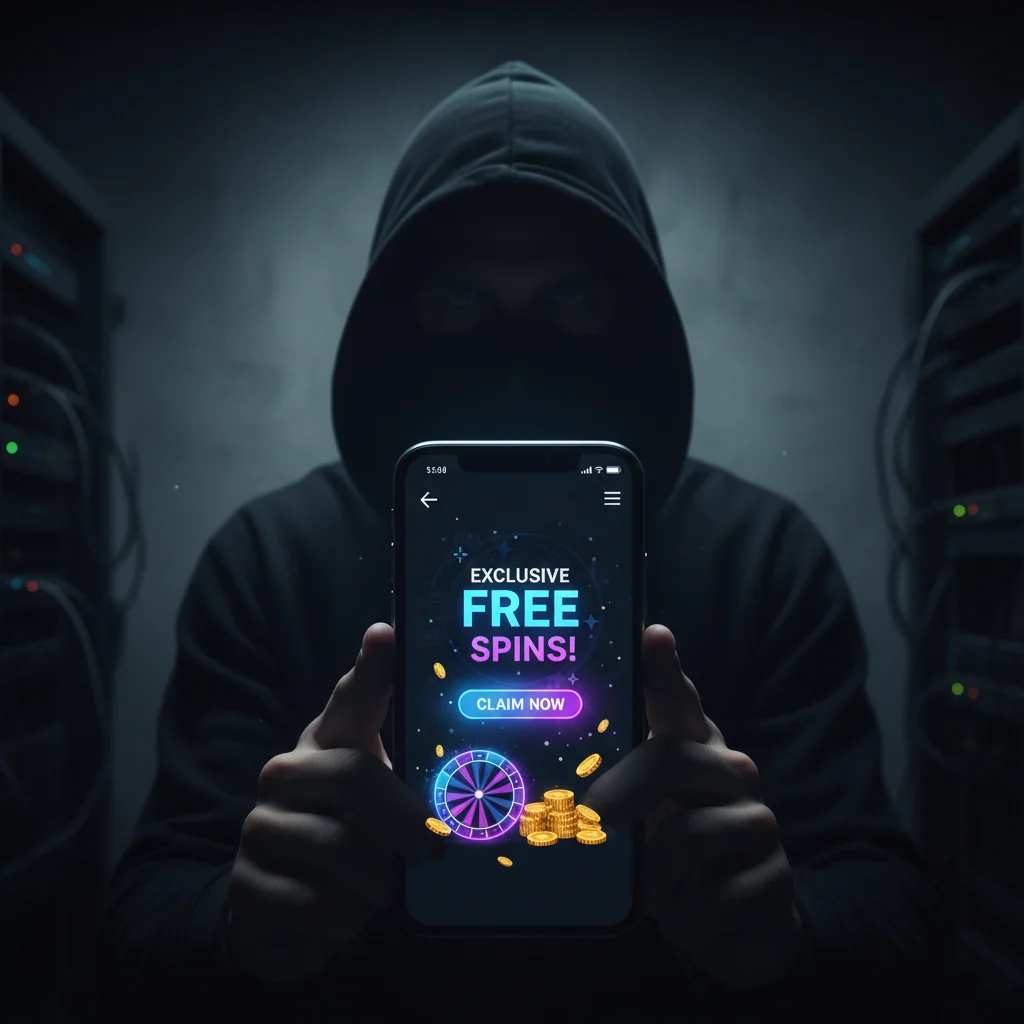
Mobile gamers are facing a major security threat this month. Cybersecurity experts have issued an urgent warning for players of the hit mobile game Coin Master, as a massive wave of malicious phishing websites has emerged online. These fraudulent sites are masquerading as legitimate free spin gift links, specifically timed to exploit players during the game’s high-profile October 2026 seasonal events.
Coin Master, developed by Moon Active, relies heavily on a slot-machine mechanic where players spin to win coins, shield their villages, or raid rivals. Because daily spins are limited, players constantly hunt for free spin links, which the developers frequently share on social media. This constant demand has created the perfect opportunity for cybercriminals.
How the Free Spin Scam Works
According to recent telemetry from cybersecurity research firms, the surge in attacks aligns with the kickoff of the game’s Halloween and autumn-themed promotions. Players are eager to complete limited-time card sets and build their villages, making them far more likely to let their guard down.
The scam usually starts on social media platforms. Bad actors post enticing links on Facebook groups, Reddit threads, and Discord servers, promising massive rewards like “1,000 free spins” or “unlimited gold.” These links look surprisingly authentic, often using URL-shortening services or domain names that mimic official branding closely.
Once a player clicks the link, they are redirected to a highly convincing clone of the official Coin Master interface. The site typically prompts the user to “verify” their account to claim the reward. This is where the trap snaps shut. Players are asked to:
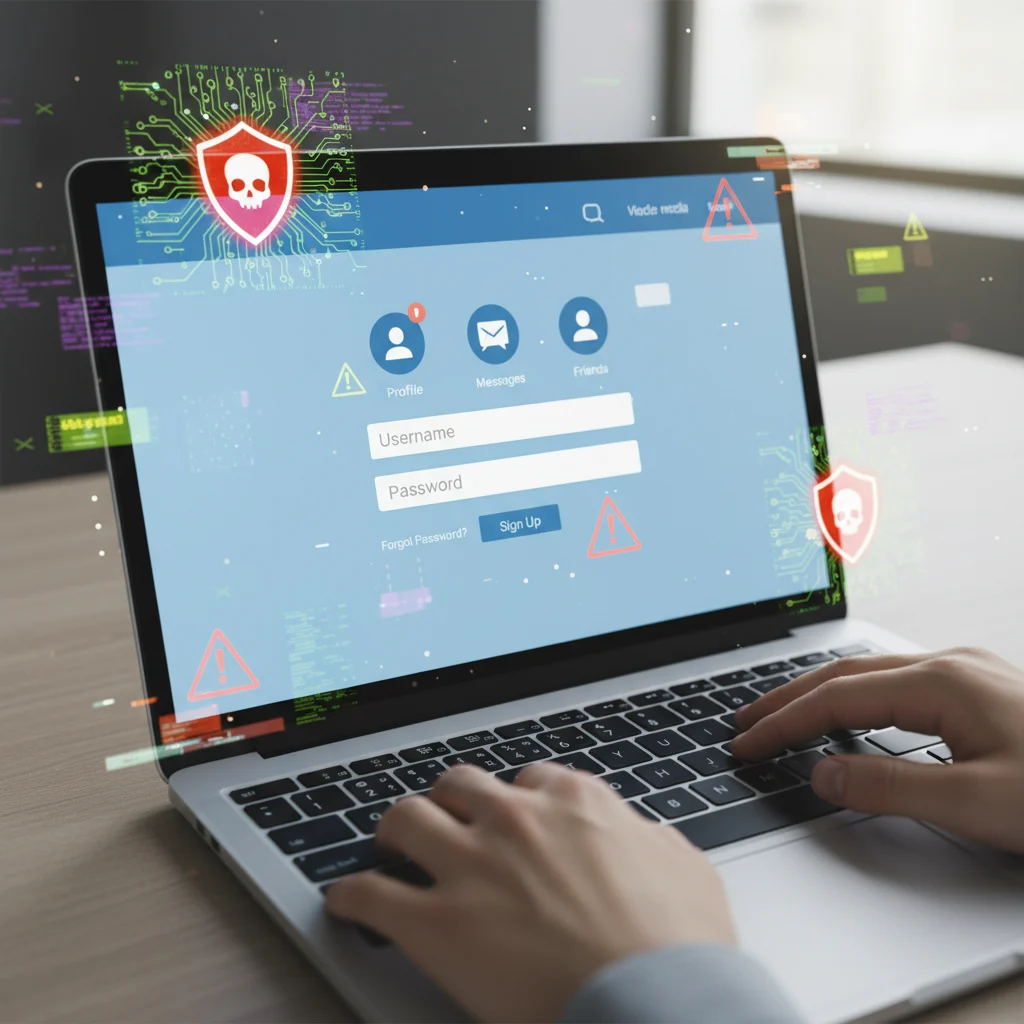
- Log in using their Facebook credentials, which is the primary way players save their game progress.
- Provide personal details, including email addresses and phone numbers.
- Download third-party helper apps or complete shady surveys that load malware onto their devices.
A Massive Spike in Malicious Domains
This is not just a minor nuisance; it is a highly coordinated effort. Security analysts noted a staggering 350% increase in newly registered domain names containing variations of “coinmaster,” “free-spins,” and “rewards” during the first two weeks of October. Scammers often use automated tools to generate these domains in bulk. They utilize cheap hosting providers, allowing them to spin up new sites as quickly as security filters can take old ones down.
In many cases, the fake pages use sophisticated scripts. They can detect whether a user is accessing the link from a mobile phone or a desktop computer, tailoring the page to deliver the most convincing layout for that specific screen size. Some even feature fake comment sections where bot accounts claim to have successfully received their free spins, adding a false layer of social proof.
“Scammers are highly opportunistic,” says Marcus Thorne, a lead threat analyst at cybersecurity firm CyberShield. “They know that during major in-game events, player engagement skyrockets. People are desperate to keep playing without spending real money, and that desperation makes them blind to red flags like strange URLs or unexpected login prompts.”
For those who fall victim, the consequences can go far beyond a lost gaming account. Because Coin Master is linked directly to Facebook, hackers who steal these login credentials gain access to the victim’s entire social media profile. This can lead to identity theft, financial fraud, and targeted scams aimed at the victim’s friends and family.
How to Protect Your Account
Safeguarding your device and personal information does not require advanced technical knowledge. It just takes a little caution. Security experts recommend following these simple rules:
- Only use official sources: Moon Active only distributes legitimate reward links through their verified social media accounts, primarily on X (formerly Twitter) and Facebook, or through in-game messages.
- Inspect the URL: Before clicking any link or entering information, check the address bar. If the domain looks off, or if it is a free hosting site, close the tab immediately.
- Never share your login credentials: No legitimate promotion will ever ask you to input your Facebook password on an external website to claim a prize.
- Enable Two-Factor Authentication (2FA): Make sure your Facebook and email accounts have 2FA enabled. This adds an extra layer of defense even if a hacker manages to steal your password.
If you think you have already clicked on a malicious link, change your Facebook password immediately. You should also check your account settings to see if any unauthorized devices or apps have gained access to your profile.