Nothing Is Usable: Nepal Flood Survivors Return to Ruined Homes
Devastating floods leave over 900 dead and thousands missing as Nepal residents return to ruined homes to find nothing left to salvage.
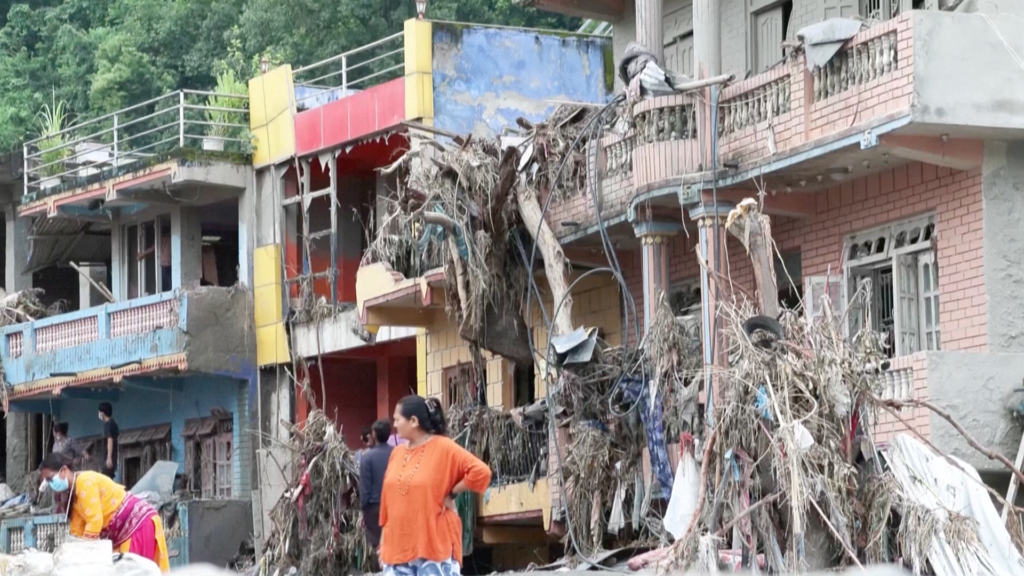
Devastation in Devighat
The mud is thick, heavy, and smells of ruin. In Devighat, a small settlement hard hit by the recent deluge, families are slowly trickling back to what is left of their neighborhoods. They do not find homes. Instead, they find wreckage buried under feet of silt and debris. People scrape through the muck with bare hands and rusted shovels, searching for anything that survived the torrents. Most find nothing.
“Nothing is worth using anymore,” says one resident, staring at the collapsed frame of their family home. The sentiment is echoed up and down the riverbanks. Possessions accumulated over lifetimes—documents, clothes, kitchenware, schoolbooks—have been reduced to soggy, unrecognizable trash.
A Rising Toll Across the Region
The scale of the disaster is staggering. Official estimates indicate that more than 900 people have lost their lives in the floods and landslides that tore through Nepal and neighboring Tibet. The true toll, however, is almost certainly higher. Emergency services and local volunteers are still searching for roughly 4,200 people who remain missing across the mountainous region.
Entire villages were swallowed by mudslides in a matter of minutes. The fast-moving waters swept away concrete bridges, ripped up paved roads, and cut off vital communication lines. In remote areas, rescue teams have had to travel on foot, carrying basic medical supplies and food over treacherous, unstable terrain.
Challenging Recovery Efforts
In the initial days of the disaster, the focus was entirely on search and rescue. Helicopters hovered over swollen rivers, plucking stranded survivors from rooftops. Now, as the waters finally begin to recede, the harsh reality of long-term recovery is setting in. The challenges facing survivors and aid workers are immense:
- No clean drinking water: Most local wells and water systems are contaminated with mud and sewage, raising fears of waterborne diseases.
- Severe food shortages: Local markets were wiped out, and agricultural fields lay ruined under layers of sand and clay.
- Lack of shelter: Hundreds of families are sleeping in temporary tents, schools, or community halls, with little privacy and inadequate sanitation.
- Destroyed infrastructure: Rebuilding roads and bridges will take months, if not years, stalling economic recovery.
Sifting Through the Ruins
For those returning to Devighat, the immediate concern is survival. Without power or running water, everyday tasks have become monumental hurdles. Neighbors are pooling their limited resources, sharing whatever clean water and dry food they can find. Yet, the emotional toll of losing everything is visible on every face.
Many residents complain about the slow pace of government aid. In the immediate aftermath of the floods, some local authorities distributed basic food packets and plastic sheets, but long-term support remains scarce. Many families feel abandoned as they face the monumental task of rebuilding their lives from scratch.
“We escaped with only the clothes on our backs,” another survivor explained, clutching a dirty plastic bucket. “Now we are back, but there is nothing to salvage. We don’t know where we will sleep tomorrow, or how we will feed our children.”
An Uncertain Future
This is not the first time Nepal has faced severe seasonal flooding, but locals say this year’s rains were different. They arrived with a ferocity that caught many off guard. Meteorologists have pointed to shifting weather patterns that bring intense, concentrated downpours over short periods, making landslides much more common and destructive in the fragile Himalayan foothills.
As the sun beats down on the drying mud of Devighat, the stench of decay grows stronger. Yet, the work goes on. Men, women, and children continue to dig, hoping to find a lost photograph, a piece of jewelry, or a tool that might still work. They dig not because they expect to find much, but because they have nowhere else to go.