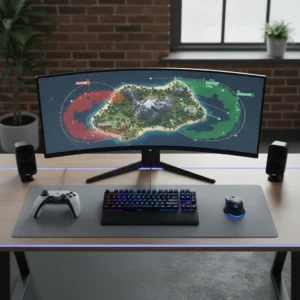
Fortnite Tracker Unveils Advanced UEFN Analytics Suite
Tracker Network has launched a suite of advanced telemetry and player retention tools to help Fortnite UEFN map creators optimize player engagement.
Fortnite’s creative ecosystem is getting a serious analytical upgrade. Today, Tracker Network announced a suite of deep-dive telemetry and retention tools built specifically for Unreal Editor for Fortnite (UEFN) creators. This update, integrated directly into the widely used Fortnite Tracker platform, aims to give independent map designers the kind of data tracking usually reserved for major video game studios.
Since Epic Games launched UEFN, the Fortnite ecosystem has fundamentally shifted. Creators are no longer just building simple obstacle courses. They are designing full-scale role-playing games, tactical shooters, and complex racing simulations. Epic rewards these creators through its engagement payout system, which distributes a portion of Fortnite’s net revenue based on how long players stick around and how often they return. Until now, however, map creators have had to rely on basic performance metrics provided by Epic’s default dashboard.
Tracker Network wants to change that. The company’s new toolkit aims to level the playing field for independent builders who need to know exactly how their games are performing.
Why Retention is the New Currency
“We wanted to bridge the gap between hobbyist map building and professional game development,” said Marcus Howard, a lead developer involved in the rollout. “If you do not know why a player quit your map after three minutes, you cannot fix the problem. Our new toolkit shows you exactly where they lost interest.”
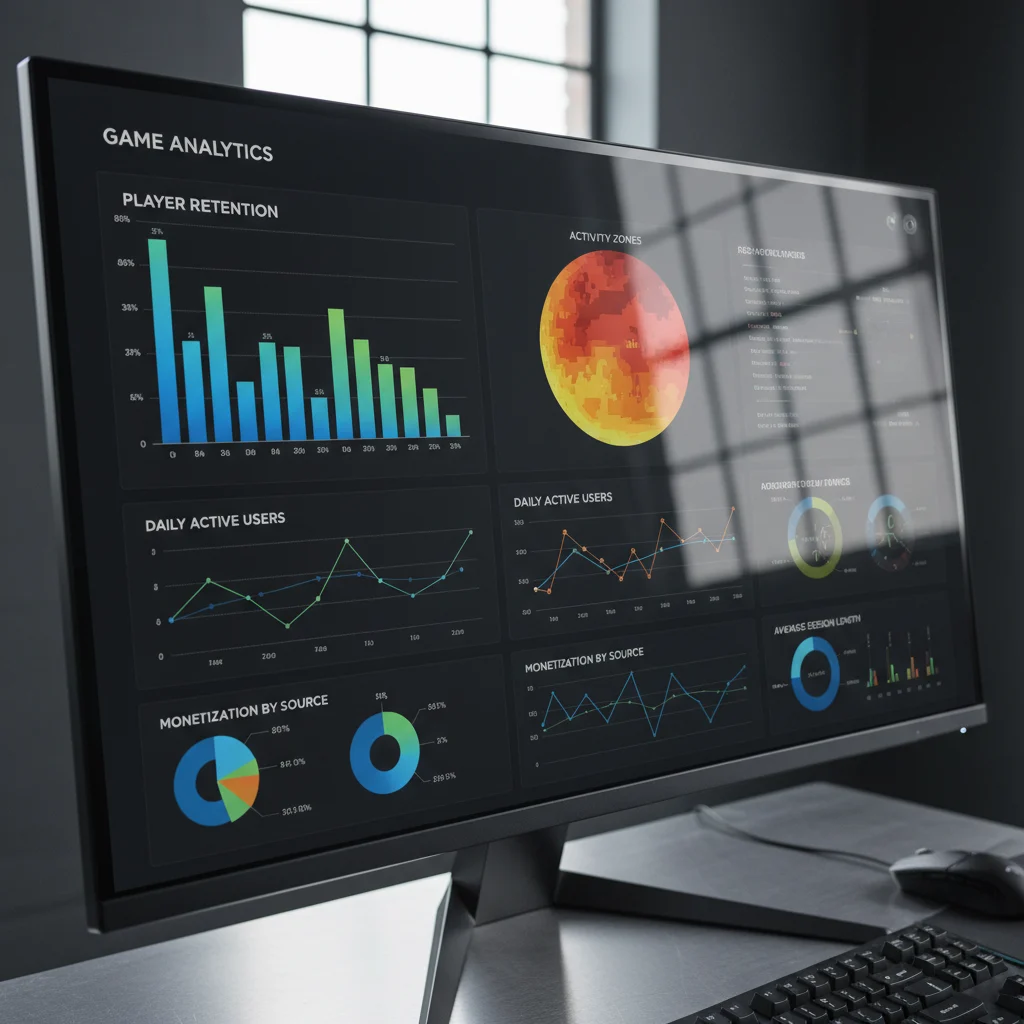
Under Epic’s current Creator Economy 2.0 model, player retention is everything. If players log in, play for two minutes, and never return, creators earn next to nothing. The new Tracker Network tools allow developers to segment players into daily and weekly cohorts. Creators can see what percentage of players return to a map after their first session, how average playtimes change over a map’s lifecycle, and which specific updates spark a revival in user interest.
Real-Time Telemetry and Heatmaps
The centerpiece of the update is the advanced telemetry engine. Creators can now track real-time player actions. This means identifying bottlenecks where players frequently die, get stuck, or simply log off. If a specific puzzle is too hard, the data will show a spike in player exits at that exact coordinate.
Some of the core features included in the launch are:
- Detailed cohort analysis to track long-term player return rates.
- Custom event tracking to monitor how players interact with specific map elements.
- Session duration metrics that show exactly when players lose interest.
- Device performance tracking to see if mobile or console players are experiencing lag.
Setting up the new system does not require a computer science degree. Creators can integrate the tracking API into their UEFN projects with a few lines of code, which then routes anonymized player events directly to their Fortnite Tracker developer dashboard.
Surviving the Fortnite Discovery Page
The timing of this launch is crucial. As competition on the Fortnite Discover page grows increasingly fierce, the margin for error is shrinking fast. A map that fails to capture a player’s attention within the first sixty seconds is quickly buried by Epic’s recommendation algorithms. For small development teams, these insights could mean the difference between making a living or walking away empty-handed.
Several creators who participated in the closed beta reported immediate benefits. One developer noted that after realizing 40% of their players quit during the tutorial phase, they redesigned the opening sequence and saw a 15% jump in average play session length within a week.
The new telemetry and retention suite is currently live. Tracker Network is offering a free tier for hobbyist creators, alongside premium packages for larger studios looking to manage multiple viral maps simultaneously.