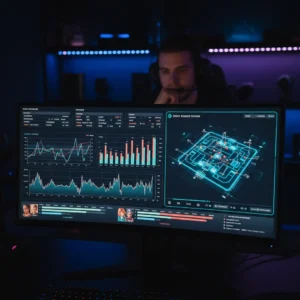
Fortnite Players Protest Epic Games’ Dynamic Pricing System
Epic Games faces heavy criticism after a surprise Fortnite update introduced algorithmic pricing, causing cosmetic costs to fluctuate based on demand.
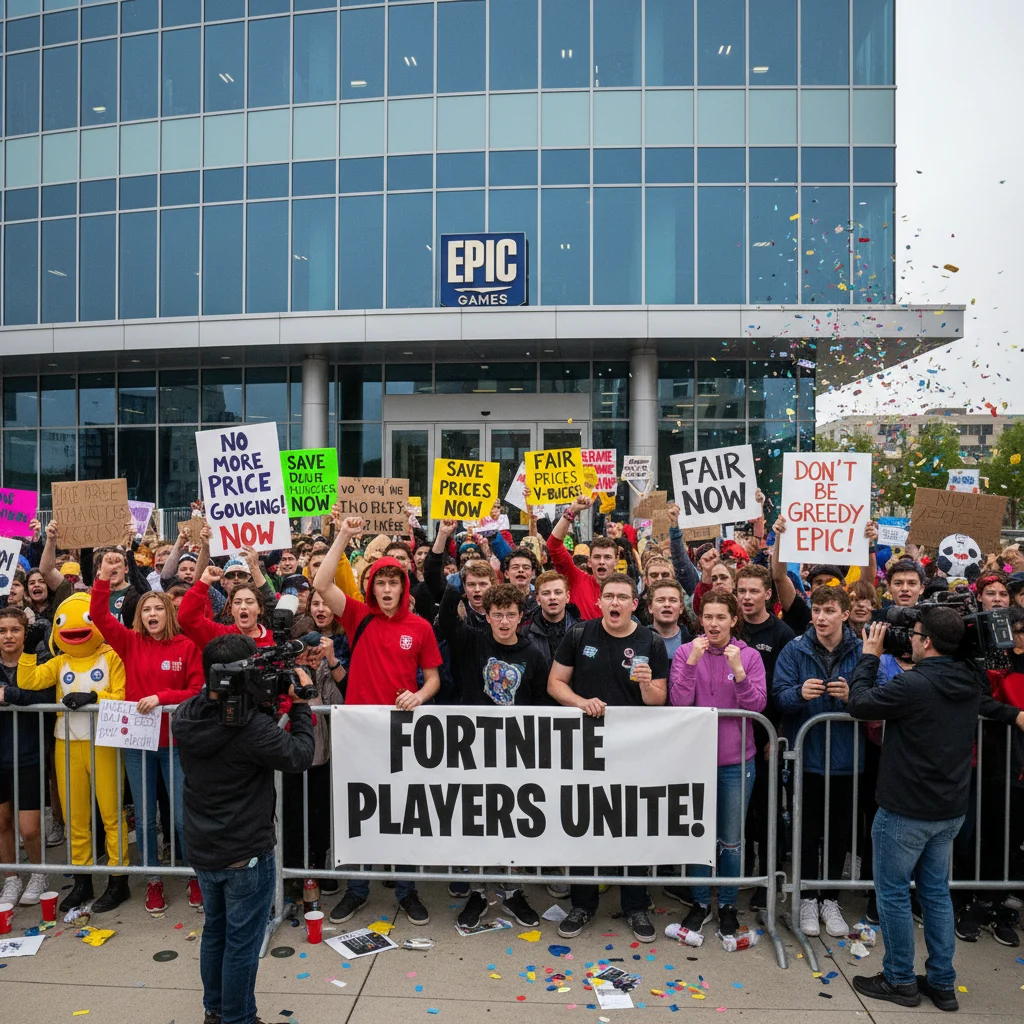
Fortnite’s virtual marketplace is in chaos. Following a mid-October 2026 update, Epic Games quietly rolled out a new algorithmic pricing model for the game’s popular Item Shop. Instead of flat rates, cosmetic skins, gliders, and emotes now fluctuate in price based on real-time market data.
The backlash was instant.
By Tuesday morning, social media platforms and the Fortnite Reddit community were flooded with screenshots showing wildly different prices for the exact same digital items. A newly released character skin, “Cyber Specter,” was listed for 1,200 V-Bucks—Fortnite’s in-game currency—for some players, while others saw it priced as high as 2,100 V-Bucks.
How the Algorithm Decides Prices
The new system tracks several metrics to determine the daily cost of cosmetics. While Epic Games has not released the exact code, players and community analysts have identified several key factors:
- Real-time Demand: If a skin is being purchased rapidly across servers, the price ticks upward.
- Regional Purchasing Power: Prices adjust based on local economic data and previous regional sales trends.
- Account History: Some users report lower prices on accounts that have not made purchases in several months.
- Social Media Hype: Items trending on platforms like TikTok and Twitch see sudden price spikes.
“It feels like we’re booking airline flights just to buy a digital outfit,” wrote one Reddit user in a thread that quickly gathered over 15,000 upvotes. “Why am I being penalized just because I wanted to buy the skin on release day?”
Epic Games Defends the Update
Epic Games defended the move in a brief blog post, claiming the system is designed to create a more fluid and responsive digital marketplace. The publisher argued that dynamic pricing allows them to offer discounts to players who might otherwise pass on premium cosmetics, while ensuring highly sought-after items reflect their true demand.
“We are always exploring new ways to balance our virtual economy,” an Epic Games spokesperson said. “This system helps us tailor the Item Shop experience to individual player communities, making sure rare content remains distinct while keeping standard items accessible.”
But players aren’t buying the explanation. Many accuse Epic of exploiting the fear of missing out, commonly known as FOMO. Because Fortnite’s shop rotates daily, users feel forced to buy items at inflated prices before they disappear, fearing they might cost even more the next time they surface in the store.
The Industry Trend Toward Surge Pricing
Industry analysts say this is a natural, if controversial, evolution for live-service games. Video game analyst Piers Harding-Rolls noted that gaming companies are constantly looking for new revenue streams as player acquisition costs continue to rise across the industry.
“We have seen dynamic pricing take over concert tickets, ride-sharing, and hotel rooms,” Harding-Rolls said. “It was only a matter of time before a major publisher tried to apply these algorithmic models to virtual goods. Fortnite is the ultimate test balloon for this strategy.”
The move has also sparked concerns about fairness and transparency. Under the new system, two friends playing in the same lobby could pay entirely different amounts for the same squad-themed skins. This discrepancy has led to accusations of price discrimination, particularly targeting younger players who may not understand how the algorithm works.
Several prominent Fortnite content creators have publicly criticized the update, with some calling for a temporary boycott of the Item Shop. Popular streamers have warned that Epic risks alienating its most loyal supporters if the system remains in place.
Whether Epic Games will roll back the changes remains to be seen. Historically, the developer has adjusted course when community outrage threatens player retention. For now, Fortnite fans are left watching the Item Shop clock, wondering if tomorrow’s digital outfits will cost them a premium.