Fortnite Chapter 8 Physics Engine Rewrites the Building Meta
Epic Games migrated Fortnite to Unreal Engine 6 in Chapter 8, introducing realistic weight and structural physics that completely upend pro play.
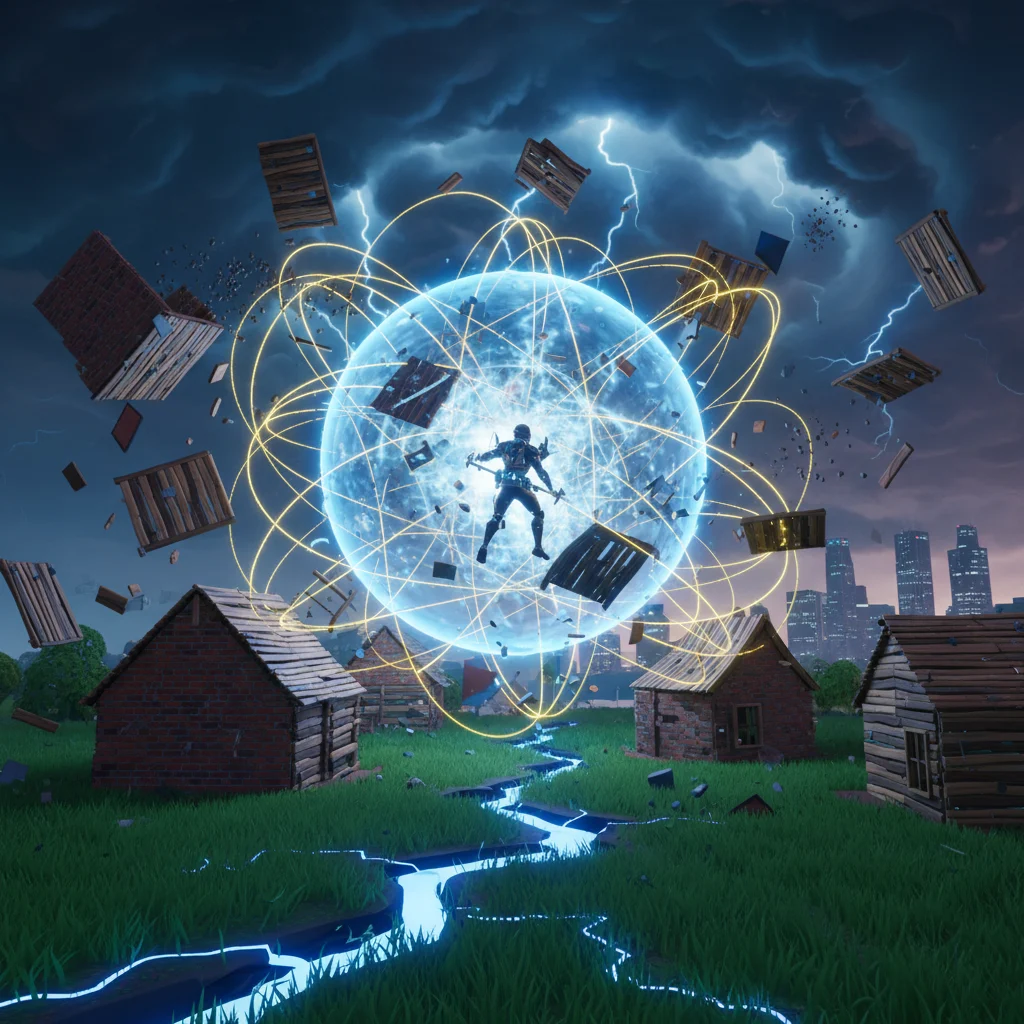
Fortnite just changed forever. With the launch of Chapter 8, Epic Games did not just drop a new map or unvault a few fan-favorite weapons. Instead, they quietly swapped out the engine under the hood. The game has officially migrated to Unreal Engine 6, bringing with it a highly advanced, real-time physics system that is completely shattering how competitive players build, fight, and survive.
For years, the core loop of Fortnite was predictable. You get shot, you instantly build a wooden box, and you edit your way to safety. But the new UE6 physics engine introduces true structural integrity and material weight. The old, gravity-defying towers are gone. In their place is a sandbox where buildings behave like real-world structures, and the competitive community is scrambling to adapt.
The Death of the Gravity-Defying Tower
In previous chapters, as long as a single wooden ramp was connected to a solid grid point, an entire towering fortress could float magically in the sky. Chapter 8 ends that era. The new physics engine calculates load-bearing stress in real time. Wood, brick, and metal now have distinct weight limits and structural tolerances.
Try to build a massive sniper tower out of flimsy wood now, and the game’s new stress simulator will cause the base to buckle under its own weight. Brick offers better vertical stability but crumbles catastrophically under explosive force. Metal remains the strongest option for high-rise bases, but it takes significantly longer to settle and is highly vulnerable to conductive energy weapons.
“You can’t just brainlessly crank 90s to get high ground anymore,” says competitive coach Marcus Patel. “If your foundation is narrow, the whole thing will literally lean and tip over. We are seeing players lose matches not because they got outshot, but because their own fortresses collapsed under the weight of their builds.”

Debris is the Newest Weapon
Destruction has also undergone a massive overhaul. Previously, breaking a wall meant it simply vanished into a puff of digital dust. Now, destroyed structures break into physical debris that obeys gravity. If you shoot out the bottom floor of a brick building, the top floors pancake downward, crushing anyone caught inside.
This dynamic debris does actual damage. A falling stone chunk or a heavy metal beam can easily crack a player’s shields or eliminate them entirely. This has turned the classic box fighting tactics on their head. Players who like to turtle up in tight spaces are finding themselves buried alive when heavy lobby fire rains down on them.
- Wood: Snaps quickly, creates light debris that rarely deals damage but offers zero blast protection.
- Brick: Crumbles into heavy chunks that can breach lower floors and injure players below.
- Metal: Hardest to destroy, but when it goes, heavy steel girders can flatten entire squads.
Pro Players Scramble to Adapt
The sudden shift has forced professional duos to rewrite their playbooks. Teams are now designating one player as an engineer who monitors the structural integrity of their base, while the other focuses on holding angles. It has slowed down the chaotic speed of building but amplified the strategic depth of every single placement.
The competitive community remains divided on the update. Some pro players complain that the new physics introduce too much randomness to a game that relied heavily on precise muscle memory. They argue that competitive integrity is compromised when a falling brick can randomly decide a million-dollar tournament.
Others see it as a much-needed breath of fresh air. For years, esports viewers complained that end-game circles were nothing but chaotic grids of identical black boxes. Now, end-games look like war zones, with tilting metal towers, cascading brick slides, and players desperately trying to maintain high ground on structurally sound hillsides rather than floating sky-platforms.
Epic Games has already released a small hotfix to tune down debris damage in tournament playlists, but they have made one thing clear: the physics are here to stay. Gamers who want to reach the top of the leaderboards will need to trade their rapid-clicking building macros for a basic understanding of civil engineering.