FNCS Pros Clash Over Fortnite Chapter 7 Real-Time Scouting Tool
A new real-time lobby scouting tool from Tracker Network has ignited a fierce debate among competitive Fortnite players over fair play and data access.

A New Era of Data-Driven Play
Fortnite Chapter 7 is barely underway, and the competitive community is already facing a massive technical disruption. Tracker Network, the platform behind the game’s most popular stat-tracking database, has officially launched a real-time lobby scouting tool. It is designed to give players an immediate look at their opponents’ statistics, match history, and current form during active matches. The response from the professional scene has been anything but quiet.
Within hours of the tool’s release, social media erupted. For top-tier players preparing for the upcoming Fortnite Champion Series (FNCS), the application represents a major threat to competitive integrity. Others argue it simply democratizes information that elite teams have kept behind closed doors for years.
How the Scouting Tool Works
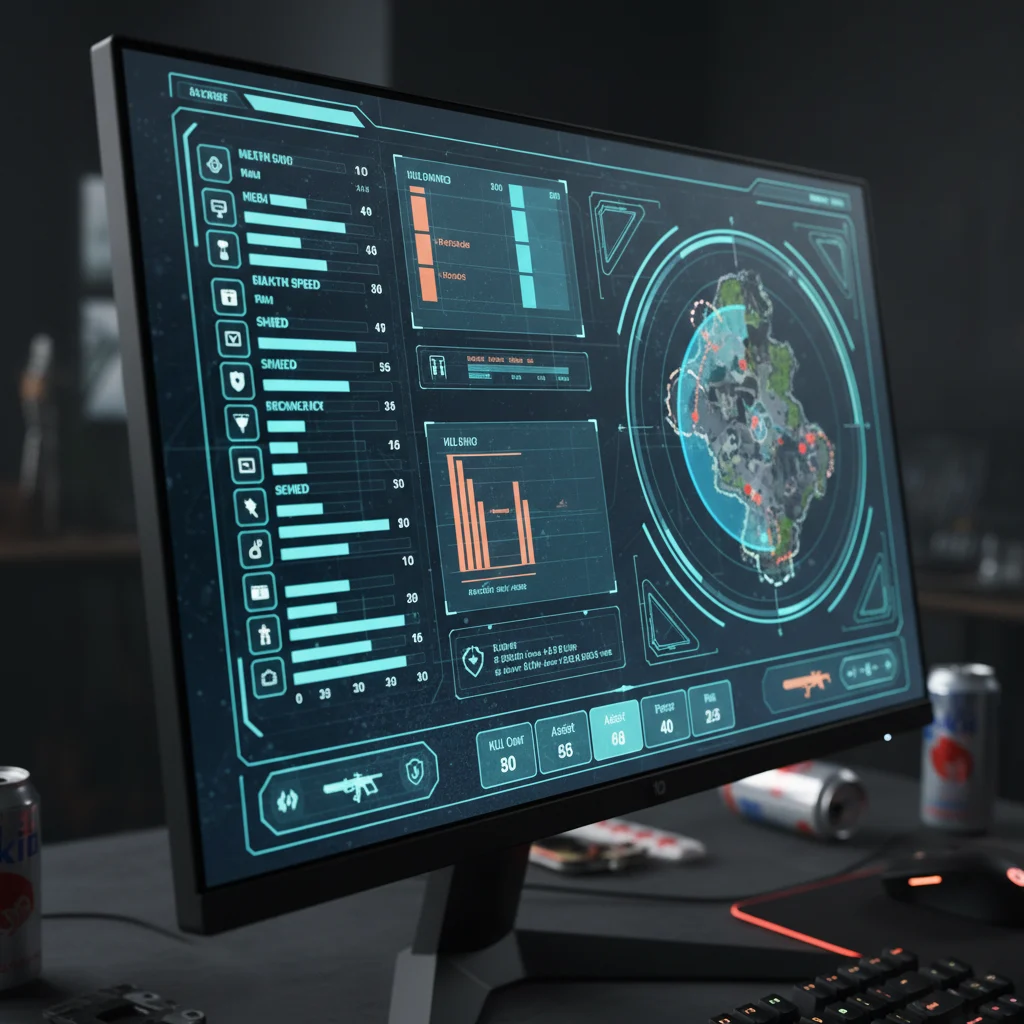
The software runs as an unobtrusive overlay on PC. When a player loads into a match, the software instantly reads the server lobby and pulls public API data. In seconds, users can see key metrics of their competitors, including:
- Lifetime and seasonal K/D ratios
- Win rates and recent match placements
- Historical drop spots and preferred landing zones
- An overall “Lobby Difficulty Score” calculated in real-time
This last feature has caused the most panic. In professional Fortnite, drop spots are fiercely guarded secrets. Teams spend weeks practicing specific loot routes. “If someone can see exactly where I’m landing and what my win rate is at that spot in real-time, the element of surprise is completely gone,” says veteran competitive player Liam “Vortex” Higgins. “You can just look at the screen, see a weak team next to you, and decide to grief their game for easy points.”
The Threat of Targeted Griefing
The threat of targeted griefing is real. In high-stakes FNCS matches, players often target specific opponents to prevent them from climbing the tournament leaderboard. With live data readily available, pros fear that stream-sniping and targeted lobby hunting will become heavily automated. If a team knows a rival duo is struggling in their recent matches, they might actively hunt them down to eliminate them from the competition early.
But the developers of the tool see things differently. In a public statement, Tracker Network defended the release, arguing that the tool levels the playing field. For years, major esports organizations have employed dedicated analyst teams. These analysts use custom-built scrapers to monitor rival players, map out their drop spots, and feed this data to their players during tournaments.
“We aren’t introducing new data,” says Alex Walker, a lead product manager at Tracker Network. “We are simply making publicly available data accessible to everyone, not just the teams with the budget to hire private analysts. The average player or unsponsored underdog deserves to have the same level of preparation as a signed pro.”
Epic Games Faces a Tough Decision
Still, the timing of the release has put Epic Games in a tight spot. The publisher has historically maintained a strict stance on competitive integrity. While they allow third-party companion apps, they have previously banned software that gives players an unfair tactical advantage or modifies game files.
Because Tracker Network relies entirely on Epic’s own public API, blocking the tool would require Epic to restrict access to their data feeds. Doing so could break hundreds of other harmless community projects, tournament organizers’ tools, and Discord bots. Epic Games has not yet issued an official comment on the new scouting tool, but sources close to the competitive team suggest they are closely monitoring its impact on matchmaking.
For now, the competitive scene remains deeply divided. Some pros have already called for a collective boycott of the overlay, urging players to set their profiles to private to block the API from reading their stats. Whether this grassroots protest works remains to be seen. As the Chapter 7 competitive season heats up, the battle is no longer just about who has the best aim or the fastest builds—it is about who controls the flow of information on the island.