Turkey Reconciles With Egypt as Muslim Brotherhood Exiles Pack Up
Ankara’s diplomatic pivot toward Cairo has dismantled the once-thriving hub of Egyptian opposition media and exiled leaders in Istanbul.
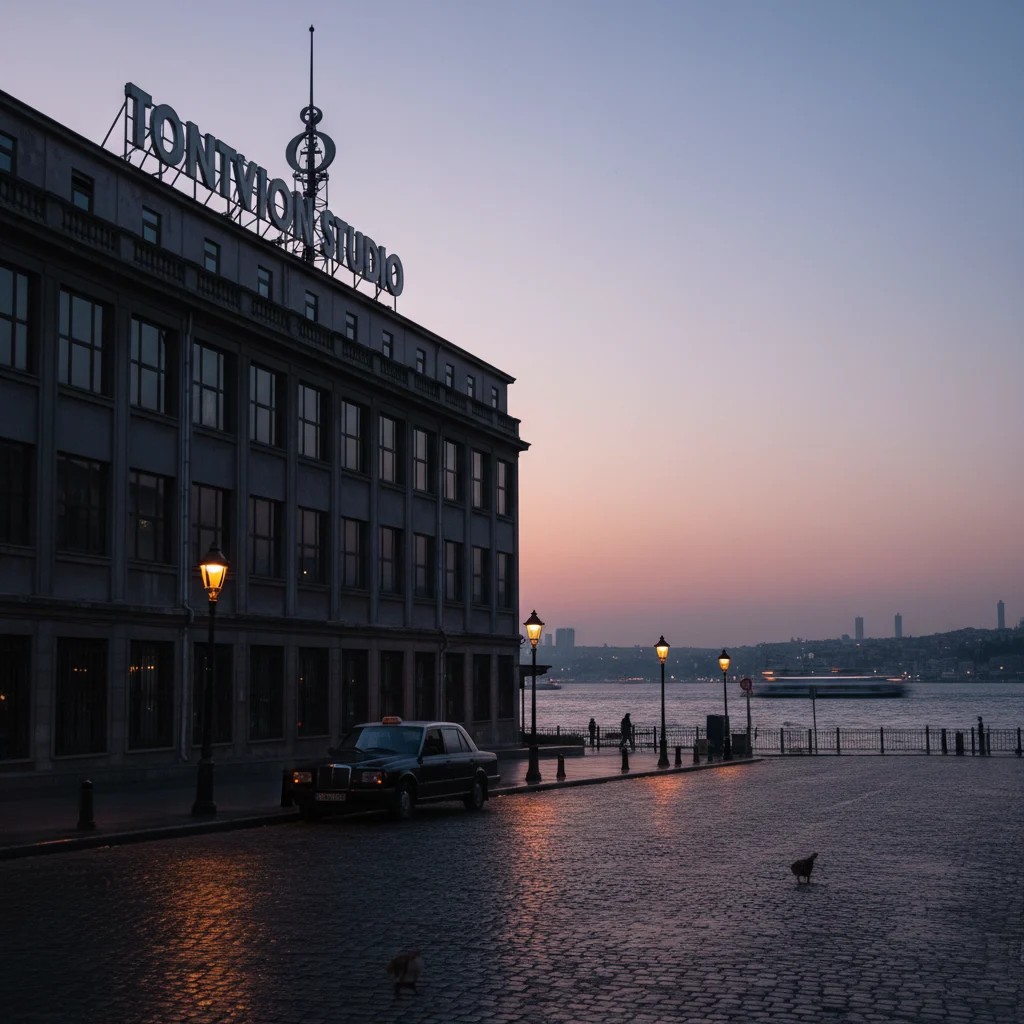
For nearly a decade, the bustling offices of Arab opposition media in Istanbul hummed with a singular, fiery purpose: toppling the government of Egyptian President Abdel Fattah el-Sisi. Funded by supporters and staffed by exiled journalists, these television stations broadcasted round-the-clock criticism of Cairo. Today, those studios are mostly dark, and the passionate voices have gone quiet. Istanbul, once the undisputed capital of the Arab spring's exiled dissidents, has closed its doors to political Islam.
This quiet exodus is the direct result of a dramatic diplomatic turnaround. Turkish President Recep Tayyip Erdogan, once the most vocal defender of the Muslim Brotherhood, has spent the last three years rebuilding broken bridges with his former rivals in Cairo, Abu Dhabi, and Riyadh. In this new geopolitical alignment, the Egyptian dissidents living in Turkey became a luxury Ankara could no longer afford.
The Handshake That Changed Everything
The rift between Turkey and Egypt began in 2013. When the Egyptian military, led by Sisi, ousted the democratically elected President Mohamed Morsi, a senior Muslim Brotherhood leader, Erdogan was furious. He refused to recognize Sisi's legitimacy. He frequently raised the four-finger Rabaa gesture, a symbol of resistance against Sisi's military crackdown, at political rallies. Turkey quickly became a safe haven for thousands of Egyptian dissidents fleeing arrest.
But international relations are rarely dictated by ideology forever. Beset by severe economic troubles at home, including rampant inflation and a crashing currency, Turkey needed foreign investment and regional stability. Ankara realized that isolating itself from the Arab world's economic powerhouses was a losing strategy.

The thawing of relations started with quiet intelligence meetings. It culminated in February 2024 when Erdogan made a landmark visit to Cairo, greeted warmly by Sisi. The reconciliation was sealed in September 2024 when Sisi traveled to Ankara for a high-profile summit. The two leaders signed dozens of cooperation agreements, cementing an alliance that would have seemed impossible just a few years ago.
Silencing the Broadcasts
Egypt's primary condition for restoring ties was simple: Turkey had to silence the Muslim Brotherhood media machine operating within its borders. Ankara complied swiftly, though without much public fanfare.
Turkish intelligence officers began visiting the offices of major Egyptian opposition channels, including Al-Sharq, Watan, and Mekameleen. The message was polite but firm. The journalists were told to tone down their criticism of Sisi, stop discussing sensitive Egyptian security matters, or face closure.
Get Free $500 Amazon Gift Cards
The impact was immediate. Mekameleen, one of the most popular channels, decided it could no longer operate under these restrictions. In 2022, the channel announced it was shutting down its Turkish operations entirely, eventually moving some broadcasting to London and other European capitals. Those networks that chose to stay in Istanbul were forced to reinvent themselves. Political talk shows were replaced by soft cultural programming, cooking shows, and historical dramas. The sharp edge of the opposition had been systematically filed down.

No More Safe Passports
The crackdown did not stop at television studios. For years, Turkey had generously granted residency permits and even citizenship to prominent Muslim Brotherhood figures. This policy has been quietly reversed.
In early 2024, reports emerged that Turkey had revoked the citizenship of Mahmoud Hussein, the acting leader of the Muslim Brotherhood's Istanbul faction. Hussein, who had lived in Turkey for years, suddenly found his Turkish passport invalidated. Dozens of other mid-level members have faced similar hurdles. Their residency renewals have been rejected without explanation, and some have been detained for administrative violations.
This bureaucratic pressure has triggered a scramble for safety. Fearing deportation to Cairo, where many face death sentences or life imprisonment, Brotherhood members are actively packing their bags. They are searching for new sanctuaries in countries like Malaysia, Qatar, and the United Kingdom. But even these options are shrinking as the global appetite for hosting political Islamists continues to wane.
A Pragmatic Future
The dismantling of the Muslim Brotherhood's Istanbul hub marks the end of an era. It shows how quickly political alliances can dissolve when economic reality bites. For Turkey, the financial benefits of normalizing ties with Egypt, the UAE, and Saudi Arabia far outweigh any ideological loyalty to the Brotherhood.
For the remaining dissidents in Istanbul, the mood is one of profound betrayal. They watched the country they considered a protector strike deals with the very government that exiled them. While a few hundred Egyptian political exiles remain in Turkey, they now keep a very low profile. The loud, defiant broadcasts that once echoed across the Bosphorus have been replaced by a cautious, uneasy silence.