Tracker Network Launches Real-Time UEFN Fortnite Analytics
Tracker Network has rolled out a real-time analytics and heatmap tool to help Fortnite creators track player retention and optimize custom UEFN maps.
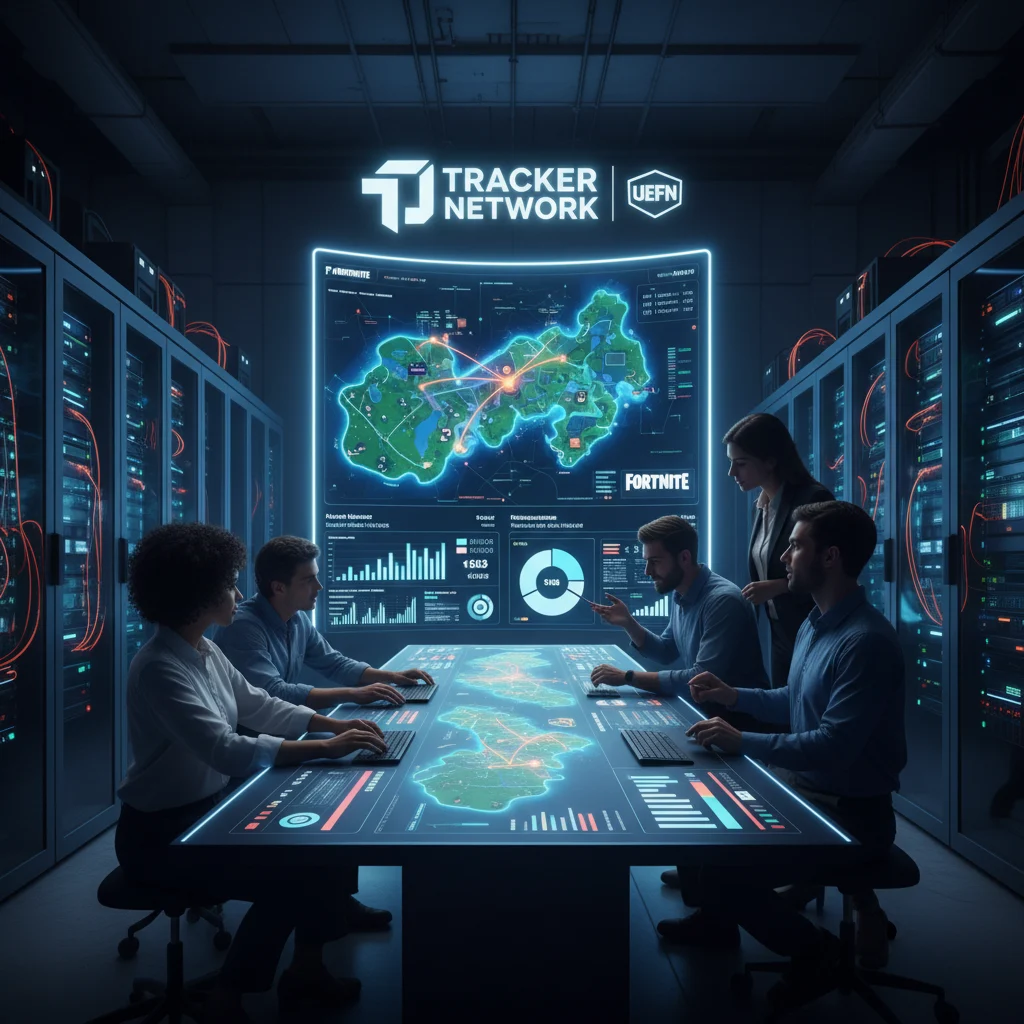
Fortnite map makers now have access to the same kind of data tools used by major game development studios. Tracker Network, the site widely known for tracking player statistics across multiplayer games, has rolled out a real-time analytics platform designed specifically for Unreal Editor for Fortnite (UEFN) creators.
This new integration represents a major shift for the community. For the first time, independent developers can track player behavior, monitor retention rates, and study detailed visual heatmaps of their custom islands in real time.
Why Data Matters in the New Fortnite Economy
Building custom Fortnite maps is no longer just a hobby. Under Epic Games’ Creator Economy 2.0 system, developers earn a share of Fortnite’s revenue based on how much time players spend on their islands and how often they return. Engagement translates directly into monthly payouts.
Because of this, keeping players hooked is vital. But until now, creators had very few tools to understand why players were leaving. They had to rely on guesswork or feedback from social media. Now, they can see exactly where the issues lie.
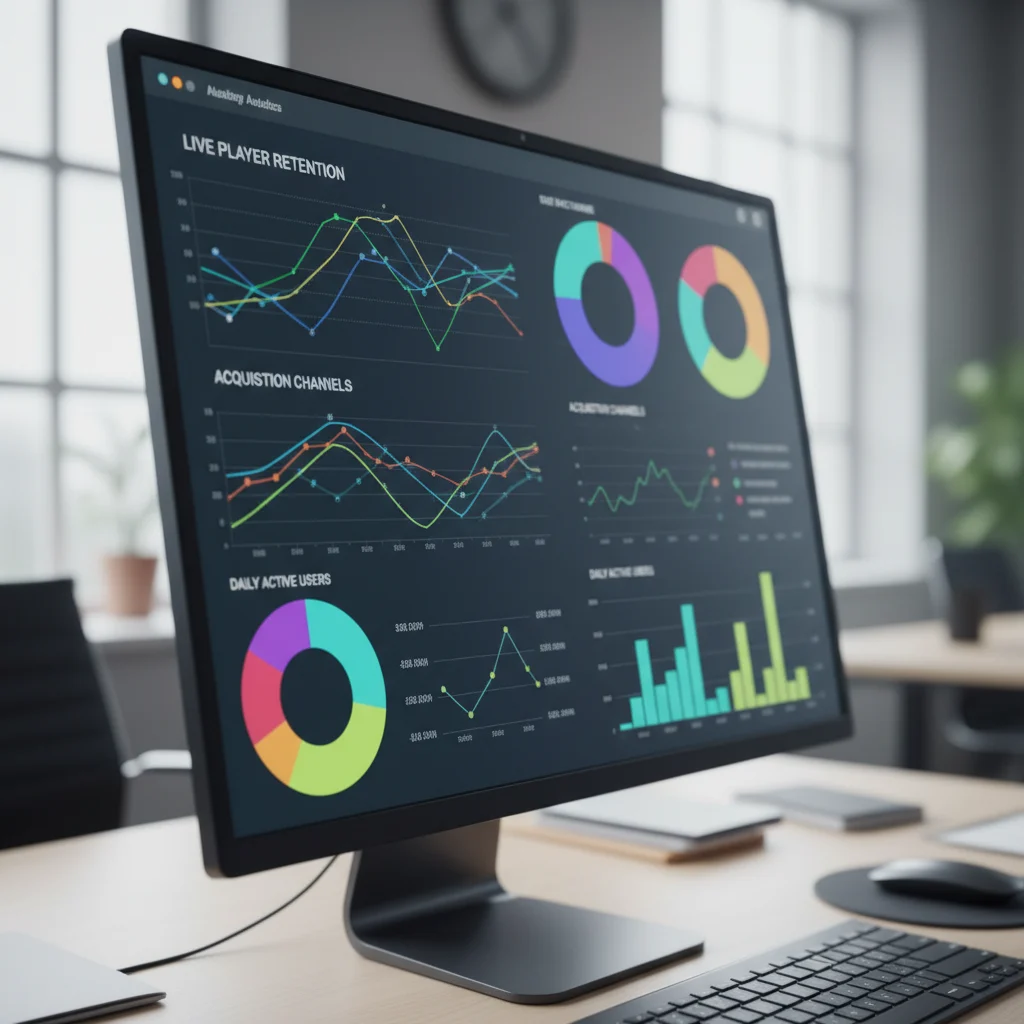
Tracker Network’s new platform gives creators a live look at user behavior. If a lobby empties out at a specific stage of a game, the dashboard shows it immediately. This allows developers to fix broken mechanics or adjust difficulty curves before they lose their audience entirely.
Visualizing Playstyles with Real-Time Heatmaps
The standout feature of the new integration is the heatmap tool. It provides a visual overlay of a creator’s custom map, marking areas of intense activity. Creators can see where players spend the most time, where they get lost, and where most of the gunfights happen.
This has practical uses for map design. If a creator designs a massive arena but the heatmap shows that ninety percent of the action happens in one tiny corner, they know they need to redesign the layout. It also helps with weapon and item placement. If players are ignoring a certain part of the map, adding high-tier loot there can draw them in and balance the gameplay.
The tracking isn’t limited to movement. It can also monitor specific custom events. Creators can track how often players interact with custom NPCs, use specific vending machines, or trigger in-game cinematic sequences.
A Simple Integration for Developers
Setting up analytics in game development is notorious for being complicated. Tracker Network has tried to make this process as painless as possible for Fortnite creators. The integration works directly alongside UEFN, requiring minimal setup to get running.
Once active, the system runs quietly in the background. It does not degrade map performance or increase lag for players, which was a primary concern for many early testers. The data is pushed straight to a clean, web-based dashboard that creators can access from any device.
The dashboard presents complicated data in a simple format. Instead of forcing creators to read through thousands of lines of raw code or spreadsheets, the platform uses visual charts, graphs, and maps. This makes the data accessible even to young or inexperienced developers who are just starting out.
The Growing Professionalization of Custom Maps
The introduction of professional-grade analytics highlights how serious the Fortnite creative ecosystem has become. What started as a simple sandbox mode has turned into a massive platform where top-tier maps pull in millions of visits every week. Some creative teams have evolved into fully fledged game studios, hiring full-time designers, artists, and programmers.
With tools like Tracker Network’s new integration, the gap between independent creators and traditional game studios continues to shrink. Data-driven design is now the standard. Creators who learn to read these analytics and adapt their maps quickly will likely find themselves at the top of the Fortnite discovery tab, while those who rely on guesswork may struggle to keep up.