How Fortnite Tracker’s UEFN Leaderboards Redefine Map Success
Fortnite Tracker’s new live UEFN leaderboards are giving creators real-time data to compete, secure sponsorships, and dominate Chapter 7.
A New Era for Fortnite Creators
The gold rush inside Fortnite is no longer a quiet affair. For years, independent map makers designed custom experiences in Unreal Editor for Fortnite (UEFN), hoping to grab a slice of Epic Games’ multi-million dollar payout pool. But they did it mostly in the dark. While Epic provided private dashboards, creators had no reliable way to see how they stacked up against the competition in real time.
That changed overnight. Tracker Network, the team behind the widely used Fortnite Tracker website, launched its live UEFN Creator Leaderboards. The new tool scrapes active player data to rank maps, creators, and publishers. Now, the entire community can see exactly who is winning the fight for player attention.
Why Chapter 7 Demands Real-Time Data
Fortnite Chapter 7 has brought massive changes to the game’s core mechanics and discovery UI. Epic regularly tweaks how maps are displayed to players, meaning a top-tier game mode can plummet in popularity after a single update. With the new leaderboards, creators do not have to wait for weekly payout estimates to know if they are losing ground.
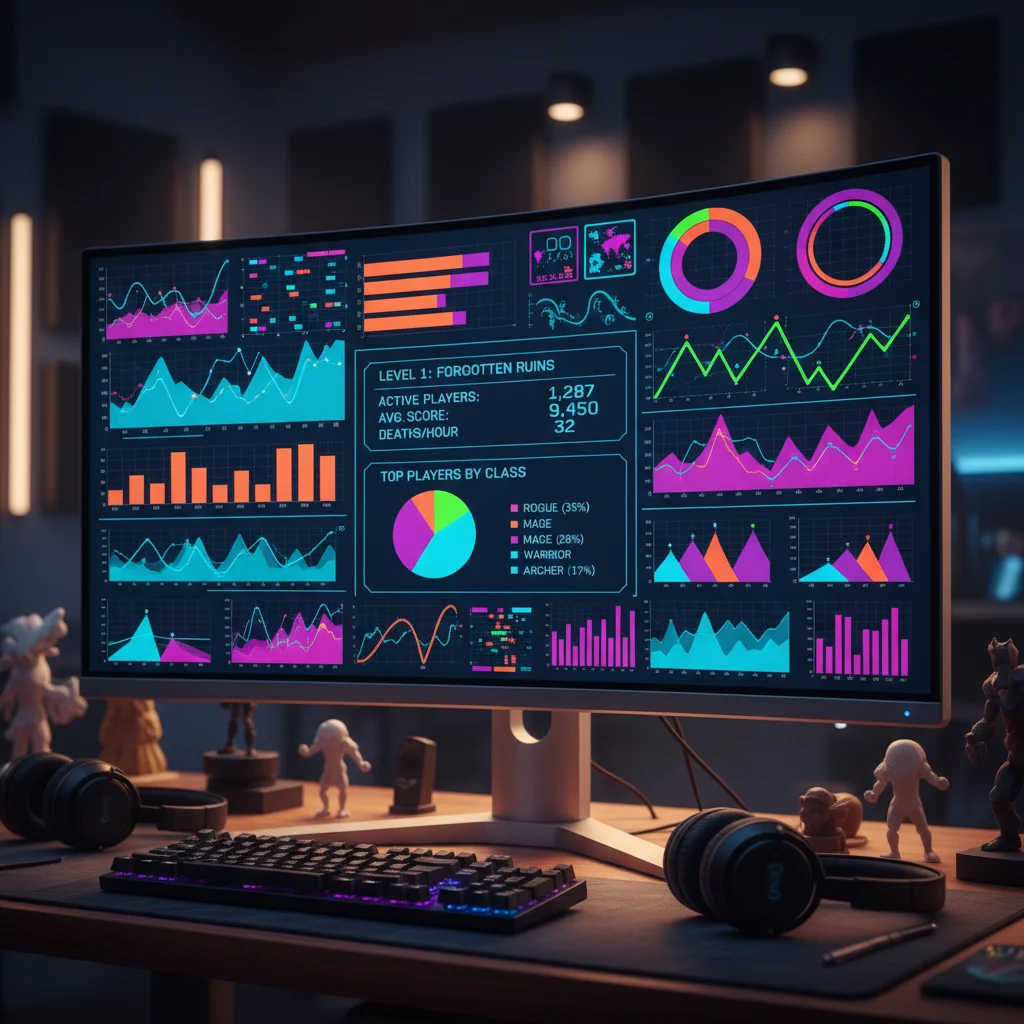
The tracker updates constantly, displaying critical metrics like:
- Current active players across specific map codes
- Peak daily and weekly concurrent player counts
- Historical trends showing growth or decline over time
- Publisher-level rankings that group a creator’s entire portfolio
This level of transparency has fundamentally altered how developers approach map design. If a new zone wars map suddenly spikes in popularity at 3:00 PM on a Tuesday, rival creators can inspect the leaderboard, hop into the map, and figure out what update triggered the surge.
The Business of Custom Maps
It is not just about bragging rights. There is serious money involved. Epic Games distributes a significant percentage of Fortnite’s net revenue to eligible creators based on player engagement. For top-tier studios, this means six- and seven-figure annual payouts.
“Before this tool, we were essentially flying blind,” says Thomas ‘Echo’ Wright, a UEFN developer who builds custom red-vs-blue arenas. “We knew our own numbers, but we had to guess what our competitors were making. Now, we have a public scoreboard. It makes the entire ecosystem feel much more professional, like a real esports league or a traditional app store.”
This transparency is also changing how brands interact with the Fortnite ecosystem. Companies looking to sponsor custom maps previously had to rely on self-reported screenshots from creators. Now, a marketing agency can look at Fortnite Tracker to verify a creator’s actual reach before signing a contract.
Healthy Competition or Added Stress?
While many praise the update, the live tracking has introduced a new level of pressure. Map design used to be a hobby. Now, with live tickers monitoring every fluctuation in player count, some creators feel like they are watching a stock market crash when their numbers dip.
Still, most agree the benefits outweigh the stress. By democratizing access to player data, Fortnite Tracker has leveled the playing field. Smaller teams can find niche gaps in the market by analyzing what genres are underrepresented on the daily charts.
As Chapter 7 progresses, the battle for the discovery page will only intensify. With these new live leaderboards, creators finally have the binoculars they need to navigate the storm.