Fortnite Tracker Launches Real-Time UEFN Analytics
Tracker Network has introduced real-time UEFN analytics, letting Fortnite map developers monitor live retention, play time, and engagement metrics.
Fortnite is no longer just a battle royale game. Over the past year, it has transformed into a massive ecosystem of user-generated worlds, driven by Epic Games’ Unreal Editor for Fortnite (UEFN). Thousands of independent developers now build custom maps, games, and experiences inside the platform. But for a long time, these creators lacked the deep, real-time data needed to truly understand their audience. That is changing.
Tracker Network, the platform behind the widely popular Fortnite Tracker database, has stepped in to fill the gap. The company has officially launched a new suite of real-time UEFN creator analytics. For the first time, map developers can track detailed player retention and engagement metrics directly through the Fortnite Tracker platform.
Why Real-Time Data Matters for Creators
Until recently, UEFN creators had to rely primarily on the basic data dashboards provided by Epic Games. While helpful, those tools often came with delays and lacked the granular, visual depth that professional game developers need to make quick decisions. Tracker Network’s new tool updates in real time, giving developers an instant look at how their maps are performing.
This is crucial when launching updates. If a developer pushes a new patch to a popular game mode, they need to know immediately if it broke the gameplay or if players are enjoying it. A sudden drop in player count or session length can signal a major bug. With real-time monitoring, creators can diagnose and fix issues before they ruin their map’s reputation.
The Metrics That Drive Success
The new dashboard does not just count heads. It tracks several key performance indicators that show how players actually interact with a map. Here is what creators can now monitor:
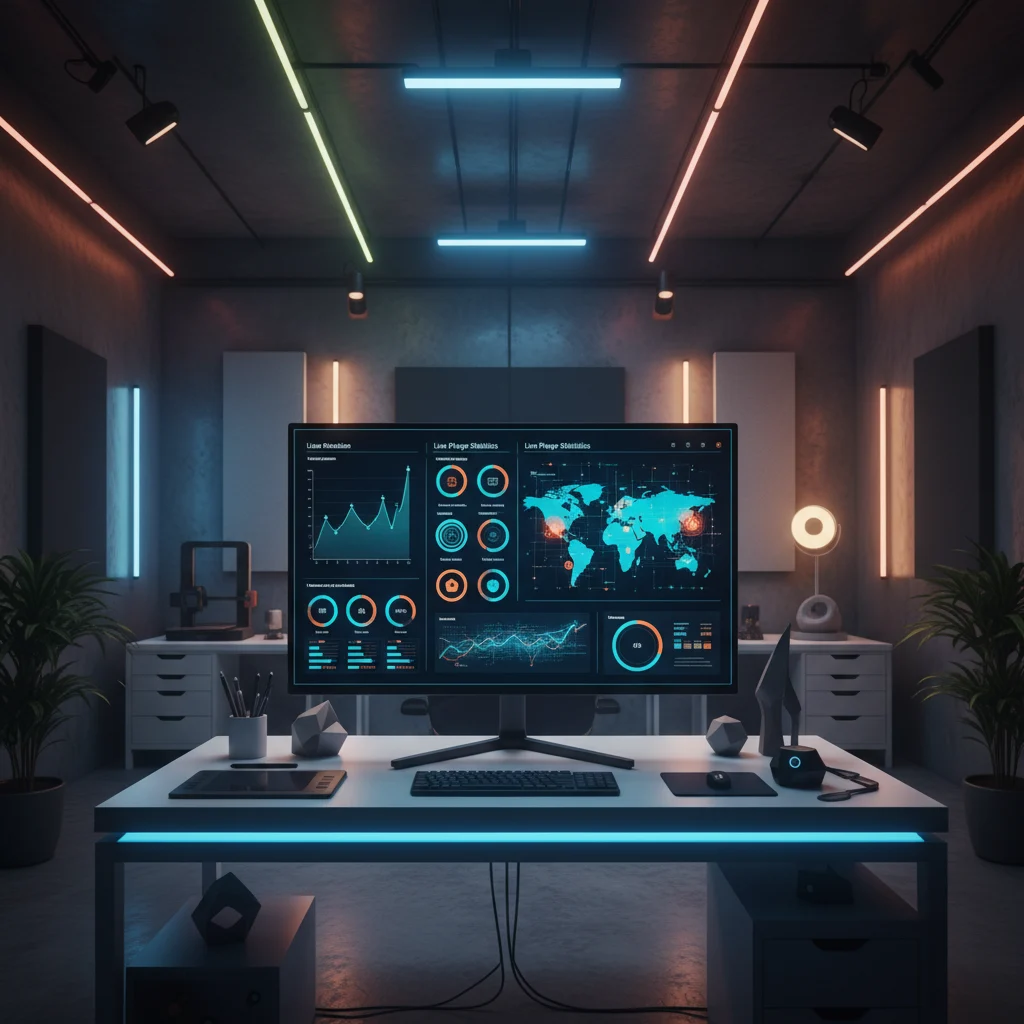
- Active Player Counts: Real-time tracking of how many people are currently playing on an island code.
- Average Session Length: How much time players spend in a single session, indicating whether the gameplay loop is engaging.
- Player Retention: Crucial data on whether players return to the map on subsequent days.
- Historical Performance: Charts showing growth over days, weeks, or months, helping creators identify long-term trends and peak play hours.
Connecting Analytics to the Creator Economy
This data is not just about bragging rights. In the Fortnite creator economy, data translates directly to revenue. Under Epic Games’ Creator Economy 2.0, map makers are compensated based on engagement payouts. Epic distributes a portion of Fortnite’s net revenue to eligible island creators based on player popularity and retention.
Because Epic’s payout formula heavily weights how often players return to a map and how long they stay, understanding retention is vital. Creators can use Tracker Network’s analytics to test different gameplay mechanics, onboarding tutorials, and updates. If a specific change boosts Day-1 retention by 10%, the creator can expect a direct impact on their payout.
Claiming Profiles and Public Transparency
To use these new features, creators simply need to search for their creator profile or specific island codes on Fortnite Tracker. Once found, they can claim their profile to unlock deeper insights. While some metrics are public—allowing the community and potential sponsors to see which maps are genuinely thriving—creators get a private, more detailed view of their statistics.
This public aspect also brings a new level of transparency to the Fortnite creative scene. Sponsors and brands looking to collaborate with map makers can now verify traffic and engagement claims independently. It legitimizes UEFN development as a professional industry, raising the bar for everyone involved.
The Big Picture for Platform Gaming
Platforms like Fortnite and Roblox are rapidly blurring the line between gaming and game development. As more young developers bypass traditional engines to build directly inside these massive social ecosystems, professional-grade analytics tools are becoming essential. Tracker Network’s move to support UEFN creators is a clear sign that this economy is maturing. It treats Fortnite island creation not just as a hobby, but as a serious business.