How Fortnite Tracker’s Chapter 7 Telemetry is Changing FNCS Strategy
Fortnite Tracker’s new telemetry tools are giving FNCS pros and coaches unprecedented real-time match data, transforming competitive play in Chapter 7.
The New Era of Competitive Fortnite Analytics
Fortnite Champion Series matches are notoriously chaotic. Sixty players tunnel into a tiny moving circle, build pieces fly in every direction, and the noise is deafening. In Chapter 7, with its brand-new map mechanics and shifting weapons meta, making the right call in a fraction of a second is the difference between a massive payday and going home empty-handed. But a new set of telemetry tools from Fortnite Tracker is shifting the balance of power, turning raw intuition into a game of precise data.
Released just in time for the latest competitive season, these upgraded tracking tools give professional players and their coaches an unprecedented look under the hood of live matches. Instead of waiting hours for replay files to render or relying on spotty VOD reviews, analysts can now dissect lobby dynamics on the fly. It is a massive leap forward. The margin for error in competitive Fortnite has never been smaller, and these tools are widening the gap between the teams who guess and those who know.
Cracking the Code of Storm Surge
For any pro player, storm surge is the ultimate boss. If a lobby has too many players alive at specific zones, the game automatically strikes down those with the lowest active damage. Keeping track of your damage threshold during a hectic match is incredibly stressful. That is where the new telemetry tools come in.
The Chapter 7 update introduces real-time damage-farming indicators. Coaches can monitor live heatmaps to see where safe damage is being traded across the island.
“It completely changes how we play mid-game,” says Marcus “Slayer” Vance, a veteran analyst who coaches two top-tier European duos. “Before this update, we were relying on players manually counting their tags and guessing if they were safe. Now, I can look at the telemetry dashboard between games, spot the lobbies where the surge threshold is abnormally high, and adjust our entire drop-spot priority for the next match. It takes the guesswork out of the equation.”
Real-Time Inventories and Rotational Mapping
The tools do not stop at damage tracking. The telemetry platform also visualizes drop-spot split times down to the millisecond. In professional lobbies, contested drops are a nightmare. Landing even half a second late means losing a chest and getting eliminated off the spawn. The new drop visualizer maps out exactly who reached the ground first, helping teams refine their gliding angles and landing paths with mathematical precision.
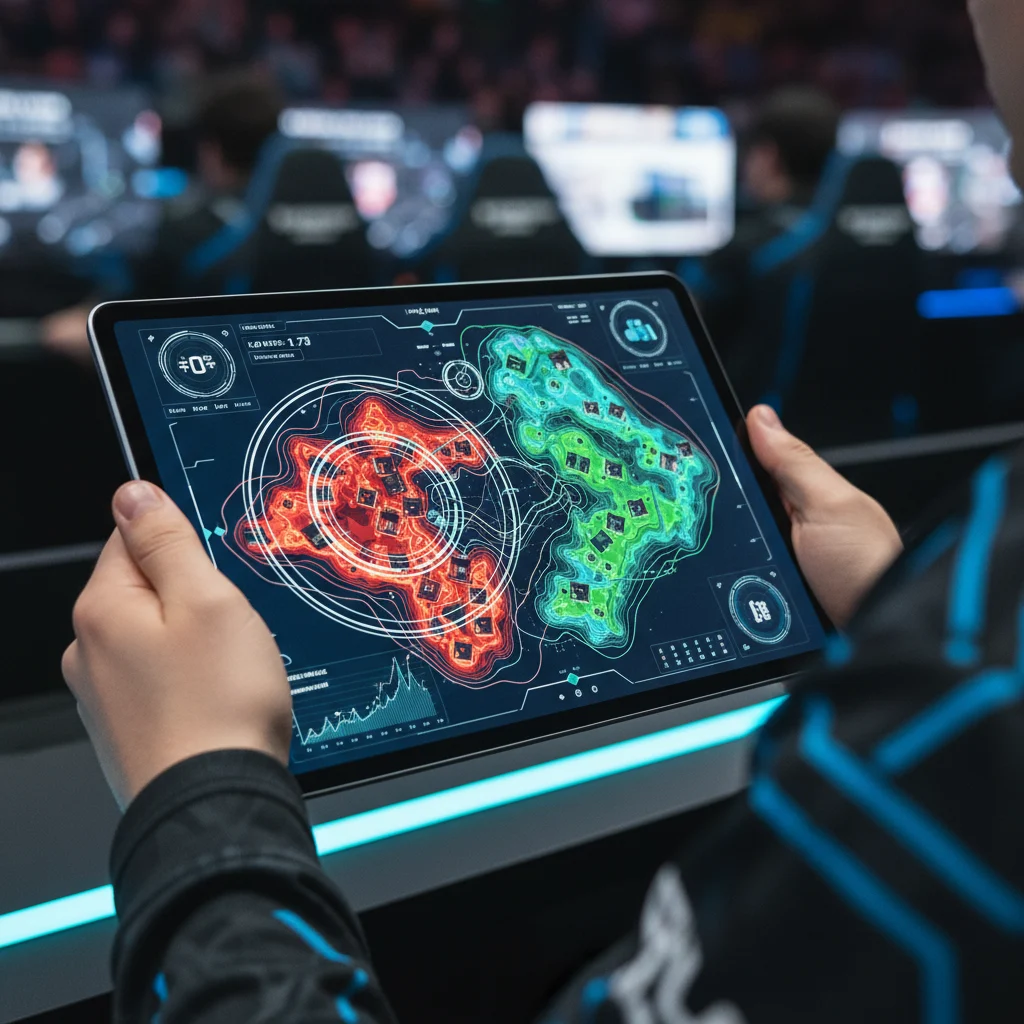
Additionally, the live inventory tracking provides a fascinating look at utility distribution. While coaches cannot feed live, screen-cheated information to players during an active game due to tournament rules, the data collected immediately after a match allows for rapid adjustments during a tournament series.
For example, if the telemetry shows that the lobby’s high-ground teams are consistently running low on movement items by the fifth zone, a team can adjust their late-game strategy to execute a high-ground retake. The data shows patterns that the human eye simply cannot catch while dodging sniper fire and managing builds.
Does Live Data Ruin the Game’s Spirit?
As with any technological leap, the sudden influx of high-level analytics has sparked a debate within the competitive community. Some purists argue that Fortnite was built on raw instinct, rapid mechanics, and adaptation. They worry that relying heavily on background databases and telemetry feeds might sanitize the game, turning creative players into predictable robots.
However, most pros argue that better data actually raises the skill ceiling. When every team has access to top-tier telemetry, sloppy strategies get punished immediately. This forces the entire lobby to play at a much higher level, creating more intense, high-quality endgames for viewers.
Because Fortnite Tracker utilizes public API endpoints and official developer streams, the platform operates completely within competitive guidelines. Epic Games has always maintained a close watch on third-party tools, but analytical databases like these have generally been welcomed as a way to grow the esport’s professionalism.
What This Means for Ranked Players
You do not need to be an FNCS Grand Finalist to benefit from these advancements. The trickle-down effect of pro-level analytics is already reaching the wider Fortnite community. Average players looking to climb the ranked ladders can use the updated tracking dashboards to study their own drop efficiency and compare their rotation speeds against the best in their region.
Data is king. In Chapter 7, the players who learn to read the map before they even load into the battle bus are the ones who will come out on top.