Fortnite Personalized Shop Sparks Algorithmic FOMO Debate
Epic Games is testing a personalized ‘For You’ section in Fortnite, dividing the community over targeted sales and the end of shared shop resets.
The End of a Shared Midnight Ritual
Fortnite players used to share a daily ritual. Every evening at 8 p.m. Eastern Time, the game’s Item Shop refreshed. Millions of players logged in at the exact same second. They saw the same skins, the same emotes, and the same gliders. They celebrated together on Reddit, or, more frequently, they complained together on X. It was a genuine community event. Now, Epic Games is quietly dismantling that tradition.
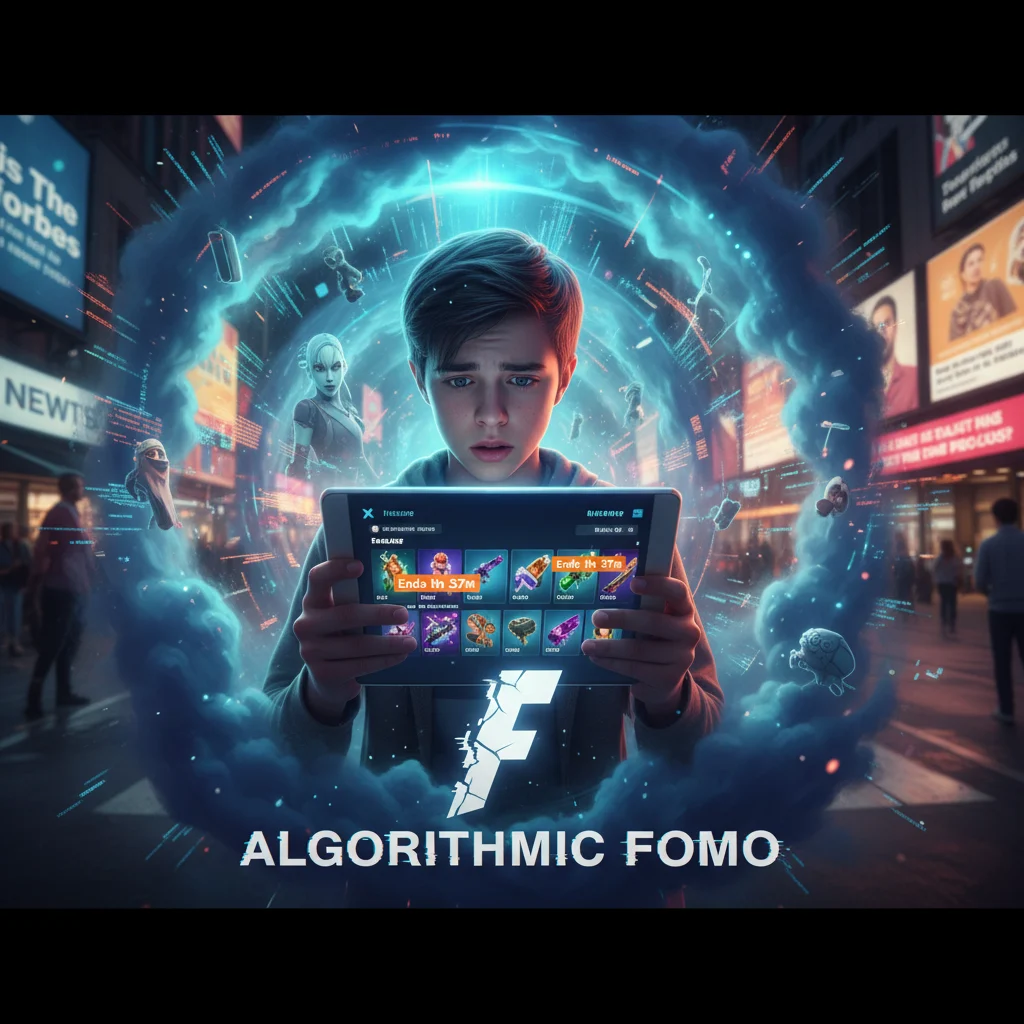
The developer is rolling out a highly personalized “For You” section in the Item Shop. Instead of showing the same digital goods to the entire player base, the shop now uses machine-learning algorithms to curate unique offers for individual accounts. It analyzes what gamemodes you play, how often you play them, and which cosmetics you already own. It is smart, highly targeted, and incredibly divisive.
How Algorithmic FOMO Targets Players
For years, the collective experience of the shop reset held the Fortnite community together. Creators built entire careers simply by streaming their live reactions to the daily shop update. But that shared cultural space is shrinking. In its place is an optimized sales pitch designed for an audience of one.
The shift has triggered intense debate online, with many players accusing Epic Games of manufacturing artificial FOMO—the fear of missing out. By tailoring the shop to individual players, Epic can target specific weaknesses. If the system knows you frequently buy Star Wars cosmetics, your personal shop section might suddenly feature a rare crossover skin you missed three seasons ago. It creates a sudden, intense pressure to buy.
“It feels incredibly predatory,” wrote one Reddit user in a community thread discussing the update. “Before, if a skin I wanted didn’t show up, I could just close the game and save my V-Bucks. Now, the game knows exactly what I want and dangles it right in front of me when I’m most vulnerable.”
Epic Games’ Changing Economy
This personalization effort is not happening in a vacuum. Epic Games has spent the last year overhaulng the way Fortnite’s virtual economy works. Earlier this year, the developer made the controversial decision to completely remove the classic color-coded cosmetic rarities—like Legendary, Epic, and Rare—from the game’s user interface. At the time, Epic claimed the old system was outdated and that they wanted a more streamlined shop. Many players suspect this was a precursor to personalized pricing and algorithmic sorting.
To some, the new system is a massive quality-of-life upgrade. Not every player has the patience to wait six months for a specific skin to return to the normal shop rotation. If an algorithm can fetch a long-lost character like John Wick or a specific Marvel hero just because you started playing again, that feels like a win. But critics argue this convenience comes at a steep cost to the game’s community culture.
The Death of the Cohesive Community
E-commerce giants like Amazon and streaming services like Netflix have used recommendation algorithms for over a decade. It was inevitable that gaming storefronts would follow. However, gaming is different. Fortnite functions as a social network as much as a battle royale game. When you individualize the storefront, you individualize the culture surrounding it.
Many players fear this is a slippery slope. If Epic successfully transitions the entire Item Shop into a personalized feed, the universal daily reset could disappear entirely. No more anticipation. No more community memes about a skin being “vaulted” for a thousand days. Just a silent, sterile algorithm calculating exactly how to extract your last V-Buck.
Epic Games has a history of listening to fan feedback, occasionally walking back unpopular user interface changes within weeks. Whether they will back down on a highly profitable recommendation system, however, remains to be seen. For now, players will have to get used to an Item Shop that knows their gaming habits a little too well.