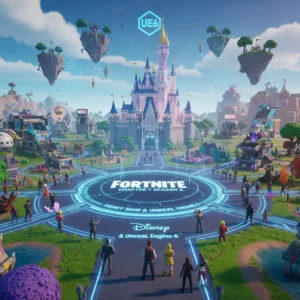
Fortnite Set to Return to iOS in Japan Under New Antitrust Law
Epic Games will launch Fortnite and its app store on iOS in Japan in late 2025, taking advantage of the country’s new mobile antitrust legislation.
Japan Breaks Apple’s Mobile Monopoly
Japan is forcing Apple’s hand. Soon, iPhone users in the country will be able to play Fortnite on their devices once again. Epic Games has announced plans to launch its digital storefront and its flagship battle royale game on iOS in Japan by late 2025.
This dramatic return is made possible by a sweeping new antitrust law passed by the Japanese parliament. The legislation, officially known as the Act on Promotion of Competition for Specified Software, aims to dismantle the absolute control that Apple and Google wield over the mobile app economy. Once the law goes into effect, tech giants will no longer be allowed to block third-party marketplaces or force developers to use their proprietary payment systems.
The Long War Against the Apple Tax
For Epic Games, the new Japanese law is a massive milestone in a long-running global campaign. The friction between Epic and Apple started back in August 2020. In an intentional challenge to Apple’s rules, Epic introduced a direct payment system inside Fortnite to bypass Apple’s 30% commission. Apple responded swiftly by kicking Fortnite off the App Store.
What followed was a bitter, multi-year legal battle in the United States. While US courts largely ruled in Apple’s favor on antitrust claims, the public feud sparked global scrutiny. Epic Games CEO Tim Sweeney made it his mission to fight what he called the monopolistic “Apple tax.”
Now, Epic is winning the war by relying on international regulators rather than US courts. The strategy is working. First, the European Union passed the Digital Markets Act (DMA), forcing Apple to allow external app stores on iOS in Europe. Epic wasted no time launching its store there. Now, Japan is implementing a nearly identical playbook, and Epic is poised to strike again.
Severe Penalties for Non-Compliance
Japan’s new regulations carry real teeth. The law targets dominant players in key mobile areas: operating systems, app stores, browsers, and search engines. It explicitly bans tech companies from giving preferential treatment to their own apps and services in search results. It also ensures that developers can steer users to cheaper payment options on the web.
If Apple or Google try to skirt the rules, they will face devastating financial penalties. The Japanese Fair Trade Commission (JFTC) has been granted the authority to levy fines starting at 20% of a company’s domestic revenue from the violating services. For repeat offenders, that penalty climbs to an astonishing 30%. With billions of dollars at stake, compliance is not optional.
A Massive Win for Japanese Gamers
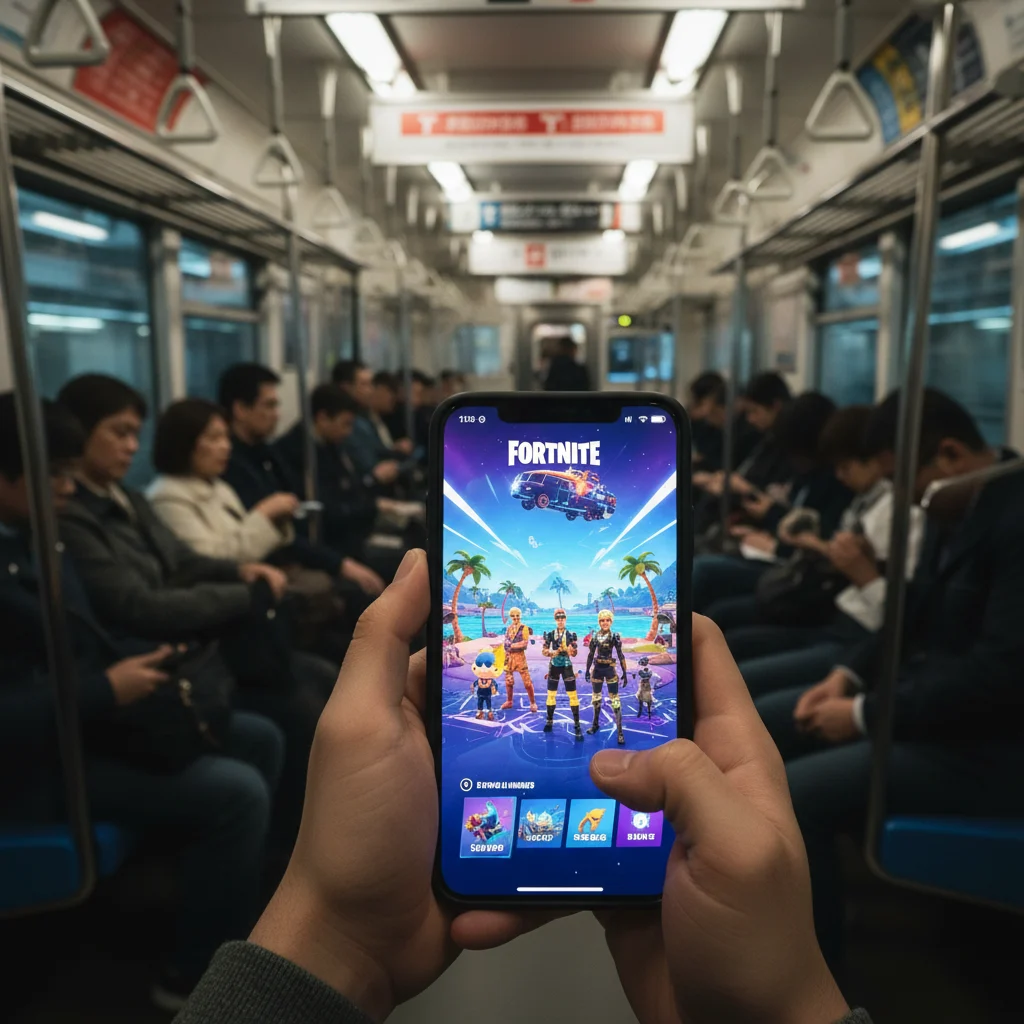
Japan is one of the most profitable mobile gaming markets on Earth. Portability is king in Tokyo. Commuters pack trains with phones in hand, making mobile gaming a cultural cornerstone. For these players, being shut out of iOS Fortnite for years was a major frustration.
Epic’s return to the Japanese market is not just about Fortnite. It is about opening up a brand-new marketplace. When the Epic Games Store launches on Japanese iPhones, it will bring competitive pricing for other developers. Epic offers an 88/12 revenue split, allowing creators to keep a much larger share of their earnings compared to Apple’s traditional cut.
- Developers keep 88% of their revenue on Epic’s store.
- No exclusive payment gateway requirements.
- Direct distribution to millions of eager Japanese gamers.
The Walled Garden is Crumbling
Apple has long defended its closed ecosystem. The company argues that tightly controlling app distribution is the only way to protect users from security threats, malware, and privacy breaches. Apple executives warn that sideloading apps opens the door to cybercriminals.
However, governments around the world are increasingly viewing these security arguments as a pretext for anticompetitive behavior. With Europe and Japan leading the charge, other countries like South Korea and the United Kingdom are closely watching. The era of the single, monopolistic mobile app store is coming to an end. For Japanese gamers, the wait is almost over. By next year, they will finally have the freedom to choose how and where they download their favorite games.