Fortnite Players Protest Epic Games’ Dynamic Pricing Tests
Fortnite fans are furious after discovering Epic Games is testing dynamic pricing in the Item Shop, raising V-Bucks costs based on real-time skin demand.
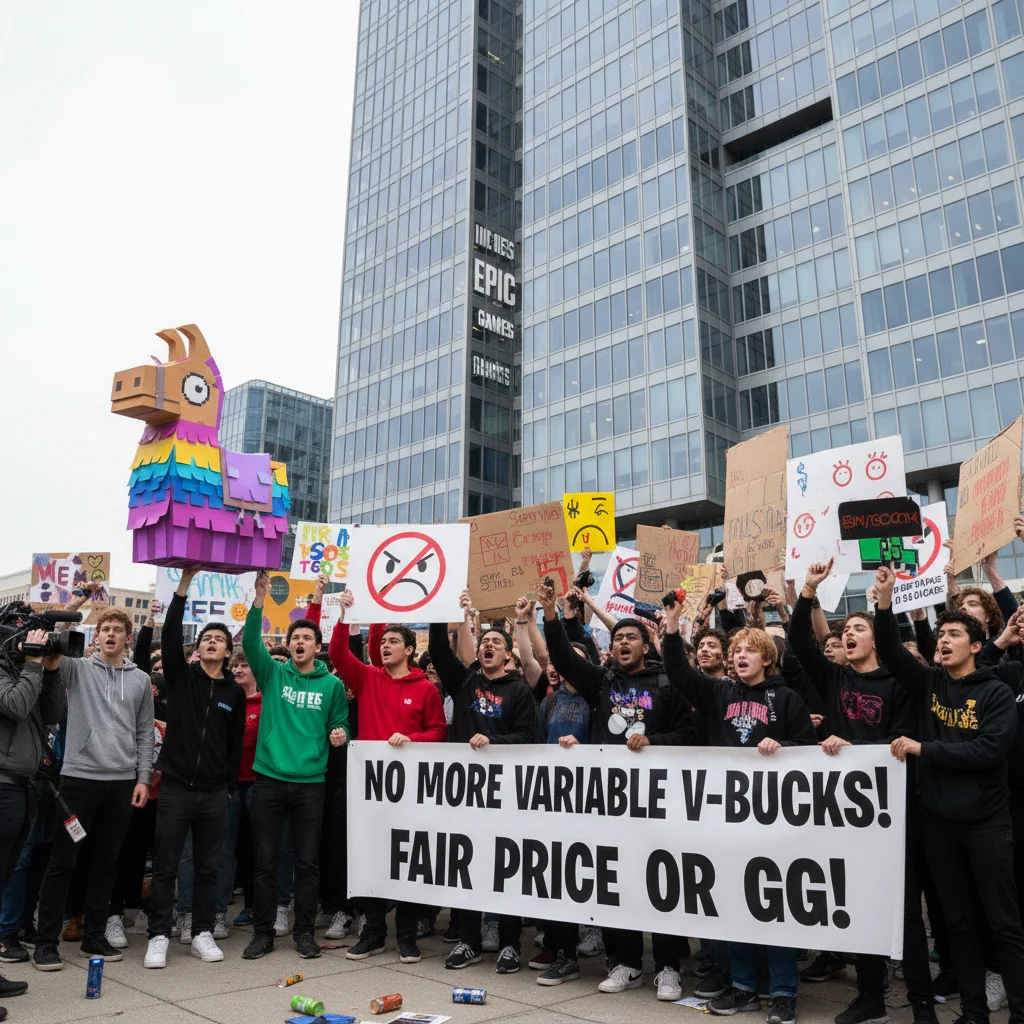
Fortnite players are drawing a line in the virtual sand. Over the last few weeks, the game’s community has erupted in anger over what many believe is a quiet, algorithmic shift in how cosmetics are priced. What used to be a predictable marketplace has turned into a confusing guessing game, with players accusing Epic Games of testing dynamic pricing models that hike up costs based on real-time popularity.
The Spark that Triggered the Backlash
It started with a few weird screenshots shared on Reddit and X. Players noticed that identical character skins and bundles carried different price tags depending on who was looking at them. For some, a new cosmetic bundle cost 1,800 V-Bucks. For others, the exact same pack was listed at 2,300 V-Bucks. There was no clear explanation for the discrepancy.
Then came the sudden removal of rarity tiers. For years, Fortnite skins were categorized by color-coded rarities—Green for Uncommon, Blue for Rare, Purple for Epic, and Gold for Legendary. These tiers came with fixed, predictable prices. A Rare skin always cost 1,200 V-Bucks. A Legendary one was always 2,000. When Epic quietly retired this system in a recent update, players grew suspicious. Now, those suspicions seem to be confirmed.
Without the rarity labels, Epic has free rein to price any skin at whatever point they choose. “They broke the rules they set themselves,” says veteran Fortnite player and digital collector Marcus Vance. “We used to know exactly what we were paying for. Now, it feels like they’re charging whatever they think they can get away with based on hype.”
How Dynamic Pricing Works in the Item Shop
Dynamic pricing isn’t a new concept. Airlines and rideshare apps like Uber use it constantly. When demand goes up, prices spike. But applying this algorithm to virtual goods in a game heavily populated by minors has struck a sensitive nerve.
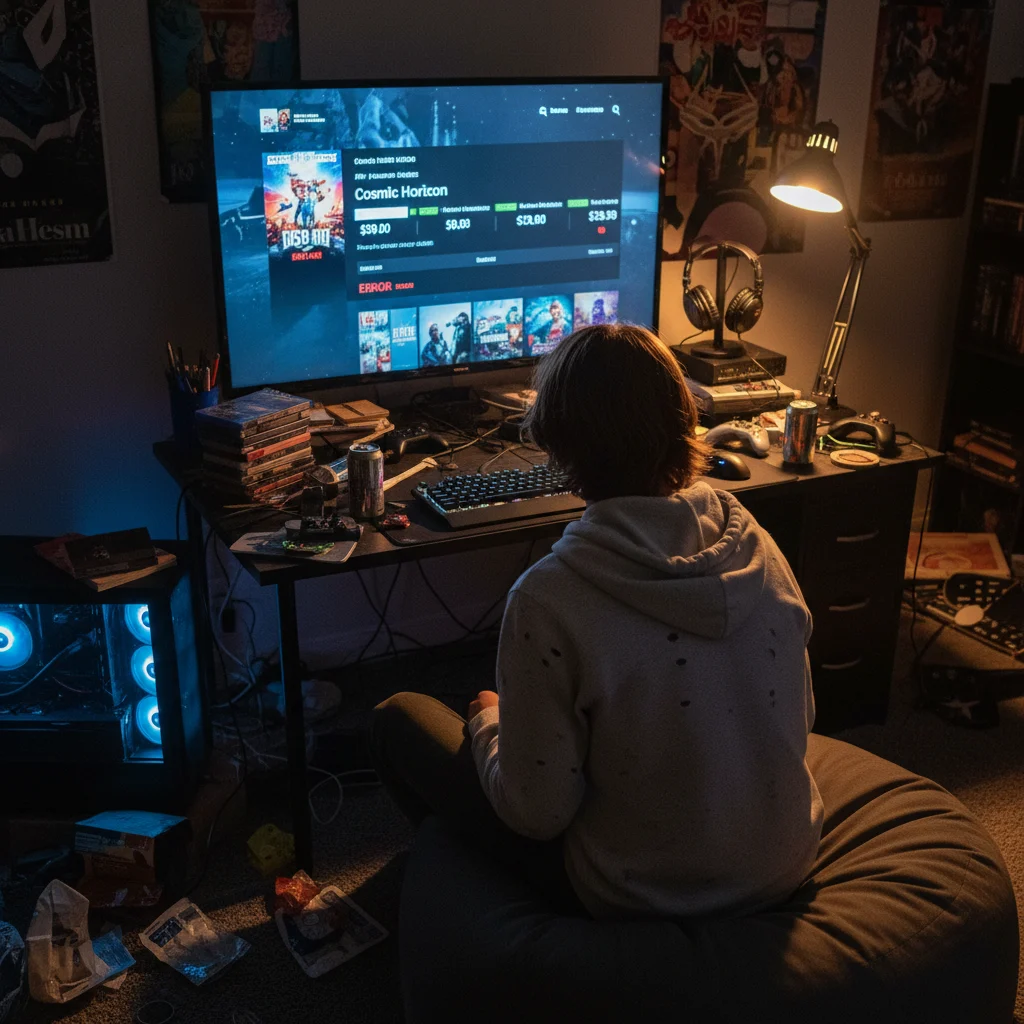
Community dataminers have pointed to backend changes that suggest Epic is testing personalized or demand-based pricing structures. Under this system, if a skin starts trending on TikTok or experiences high purchase volume within the first hour of release, the algorithm could automatically bump the price tag up for the next wave of buyers. Alternatively, the game might analyze an individual player’s buying habits. If the system knows you love anime skins, it might price the next anime collaboration slightly higher just for you.
- Targeted accounts: Some players report seeing higher prices on older, more active accounts.
- Fluctuating bundle costs: Prices of complete sets are shifting dynamically based on items already owned, but the math often favors the house.
- Hype tax: High-demand crossover skins are launching at unprecedented price points without the historical “Legendary” quality to justify them.
Players Call for an Item Shop Boycott
The community response has been swift and hostile. The hashtag #FixTheItemShop has regularly trended on social media platforms. On the r/FortniteBR subreddit, posts calling for a complete purchasing strike have garnered tens of thousands of upvotes.
“Stop buying V-Bucks,” wrote one prominent community moderator in a pinned thread. “The only language Epic understands is revenue. If we keep paying these inflated, experimental prices, this will become the new normal.”
This isn’t just about a few extra dollars. Players argue that dynamic pricing preys on FOMO—the fear of missing out. Because the Item Shop rotates daily, players feel pressured to buy an item immediately before it vanishes or becomes even more expensive the next time it appears.
Epic’s Quiet Defense
Epic Games has kept its public statements minimal. When pressed about the pricing inconsistencies, the company has previously attributed them to “tests” involving different bundle configurations or regional currency adjustments. Epic insists they are always looking for ways to provide value, pointing out that players often get deep discounts on bundles if they already own individual items inside them.
But that explanation hasn’t calmed the player base. For a game that built its massive empire on fair, transparent free-to-play microtransactions, this algorithmic shift feels like a betrayal of trust. If the protests continue to dent V-Bucks sales, Epic may have to choose between their new pricing algorithm and the goodwill of their massive community.