Fortnite Players Outraged by New Dynamic Skin Pricing
Epic Games faces fierce criticism after quietly testing personalized, algorithm-driven prices for classic Fortnite skins.
The Fortnite Item Shop has always operated on a simple premise: if you want a virtual outfit, you pay the listed price. Everyone paid the same. That era might be coming to an end. Epic Games is facing intense backlash after introducing a dynamic pricing system. This new system alters the cost of legacy cosmetics depending on player engagement and individual account history.
Over the weekend, the community noticed something was seriously off. Screenshots flooded social media. They showed massive price discrepancies for the exact same legacy skins. For instance, the classic “Raptor” outfit, which traditionally costs 2,000 V-Bucks, appeared for as low as 1,200 V-Bucks for some users. Meanwhile, other players looking at the shop at the exact same moment saw the original 2,000 V-Buck price tag. It did not take long for fans to realize this was not a visual glitch.
The Math Behind the Anger
This is dynamic pricing. It is a strategy most people associate with airline tickets or ride-sharing apps during rush hour, now applied to digital clothes. Players quickly realized that the algorithm seemed to target their specific habits. Those who rarely spend money were offered steep discounts. Regular spenders, on the other hand, were asked to pay full price.
The reaction was swift and hostile. On the r/FortniteBR subreddit, a megathread detailing the price differences quickly gathered thousands of angry comments. Players accused Epic Games of using predatory tactics. The main issue is fairness. Charging different prices to different people for the exact same digital item feels deeply exploitative to the community.
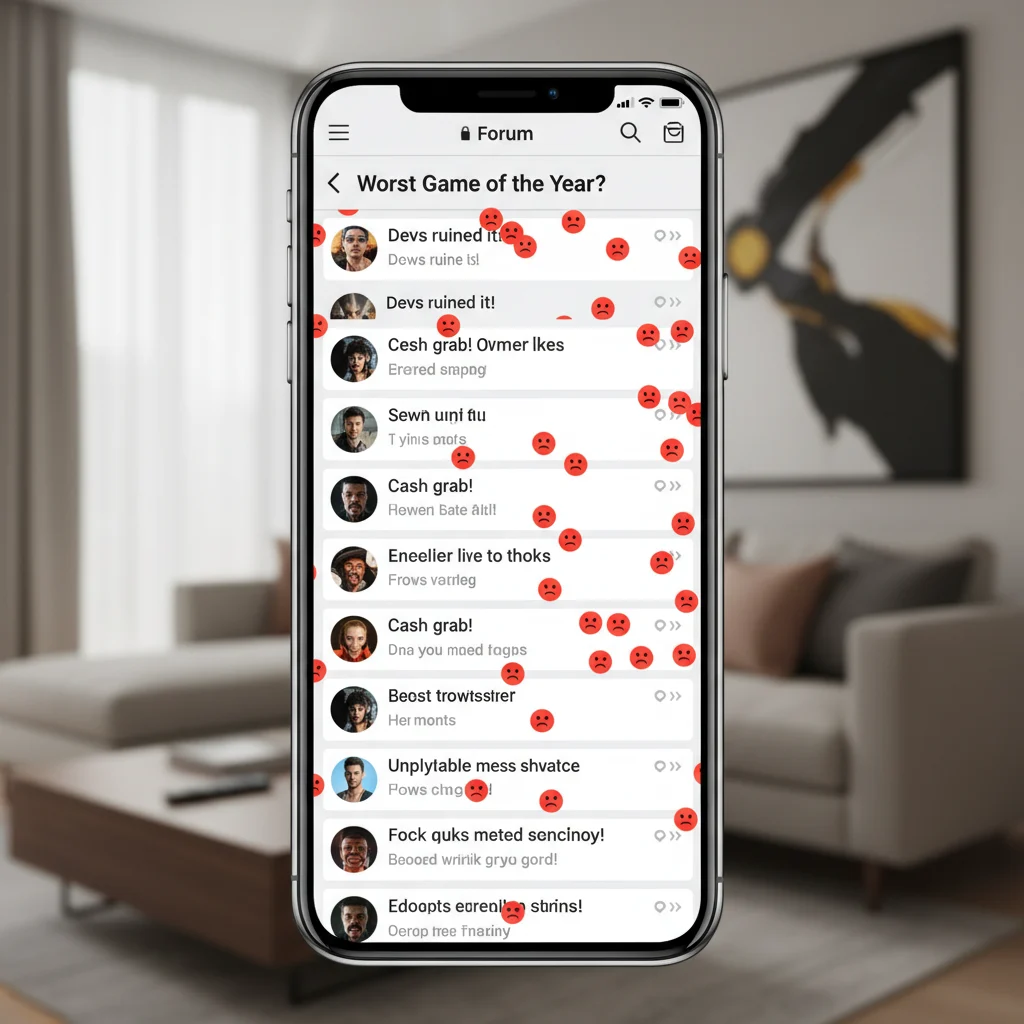
“This is outright price discrimination,” wrote one Reddit user in a post that quickly went viral. “Why am I being penalized with a higher price just because I play the game more often or have supported Epic in the past? It makes no sense.”
Why Target Legacy Skins?
Industry analysts point out that this is a highly sophisticated way to maximize revenue from older assets. Legacy skins—cosmetics that have been in the game for years—cost Epic virtually nothing to keep in rotation. By lowering the price for players who are hesitant to spend, Epic can convert casual players into paying customers. Conversely, they can keep prices high for dedicated fans who they know are highly likely to pay premium rates regardless.
Epic Games eventually addressed the growing controversy, though their explanation did little to calm the waters. In a brief statement, the developer confirmed they are testing “flexible pricing models” for select legacy items. They claimed the test aims to understand how different player segments value older cosmetics. Epic also noted that prices could fluctuate based on a variety of engagement factors, though they did not specify what those factors are.
A Dangerous Precedent for Live-Service Games
For the player base, this explanation sounds like corporate damage control. Many fear this is just the beginning. If Epic normalizes this practice for older skins, there is little to stop them from applying it to new, highly anticipated crossover cosmetics.
- Players report price differences of up to 40% on identical items.
- Active accounts with high V-Buck balances seem to face the highest prices.
- Community leaders are calling for a boycott of the Item Shop until flat rates return.
The timing of this controversy is also raising eyebrows. Fortnite has enjoyed a massive resurgence lately, thanks to the return of classic maps and successful live events. Yet, instead of riding a wave of community goodwill, Epic now finds itself playing defense. For years, the gaming community has tolerated microtransactions. They accepted them under the assumption that the rules of the store were identical for everyone. This new experiment shatters that trust.