Fortnite Classic Outpaces Chapter 7, Forcing Epic to Shift Strategy
Fortnite’s new permanent Classic Eras playlist is drawing millions more players than Chapter 7, forcing Epic Games to redraw its 2027 plans.
The Battle for Fortnite’s Soul
Epic Games had a plan. Players had other ideas.
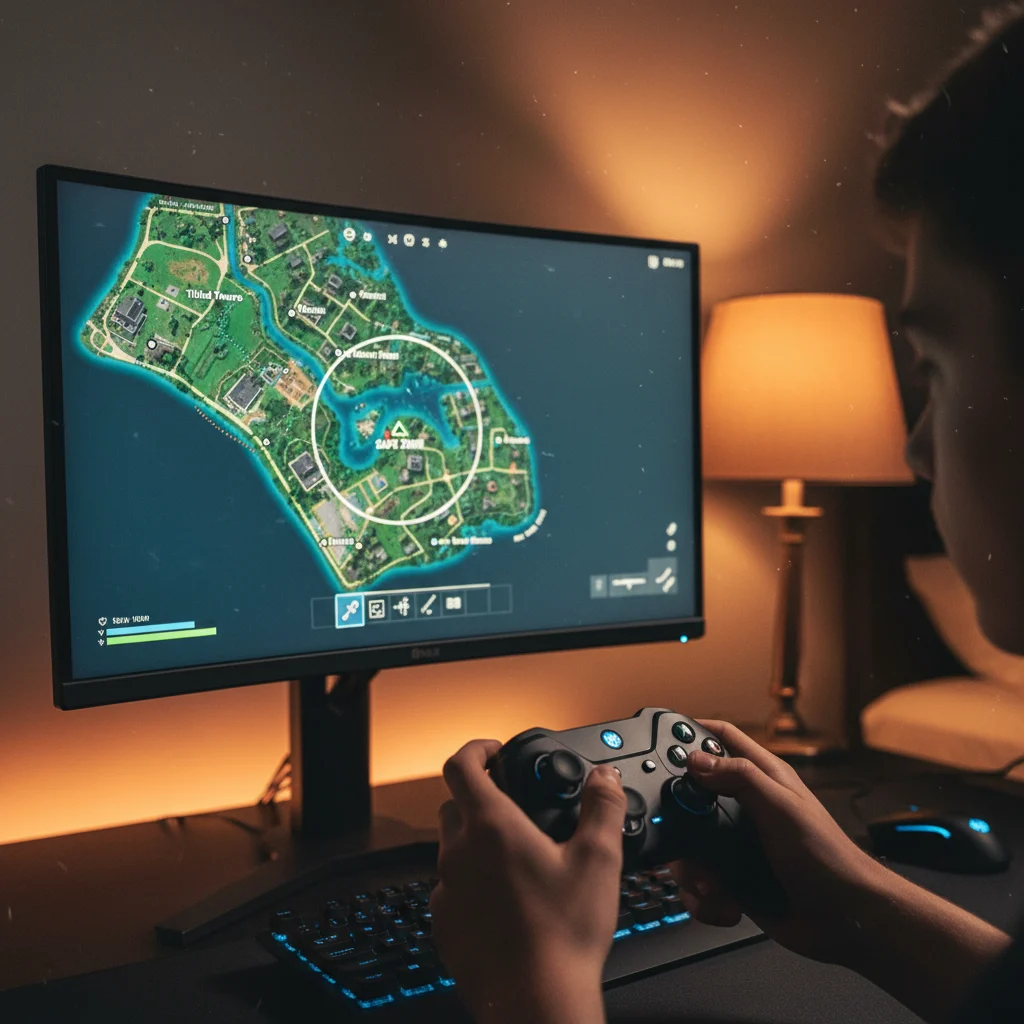
When the developer rolled out its highly anticipated Chapter 7 update, it was supposed to usher in a bold new age for the iconic battle royale. It featured overhauled graphics, complex movement mechanics, and a heavily marketed crossover lineup. But Epic also made a quiet concession to long-term fans: they launched “Classic Eras,” a permanent playlist dedicated to the game’s original Chapter 1 map and loot pool.
The results have shocked even Epic’s internal analysts. The past is utterly crushing the future.
According to public matchmaking data, Classic Eras has consistently doubled, and sometimes tripled, the active player count of Chapter 7. Over a recent holiday weekend, the retro playlist hit a staggering peak of 3.4 million concurrent players. Meanwhile, Chapter 7 struggled to cross the 1.2 million mark. This massive divide has sparked intense debates inside Epic’s Cary, North Carolina headquarters, forcing leadership to reconsider where they spend their development dollars.
Why Simple Trumps Complex
For years, Epic Games treated Fortnite as an evolving digital playground. Every season brought new mechanics: swimming, driving, weapon modding, and eventually, the building-free Zero Build mode. But this constant feature creep has left a segment of the community feeling alienated.
“The main game just got too busy,” says 22-year-old player Marcus Vance, who has played Fortnite since 2018. “Every time I log into Chapter 7, I feel like I need to read a manual just to understand the new crafting systems and NPC bosses. Classic Eras is just drop, loot, build, and shoot. It’s clean. It feels like the game we actually fell in love with.”
This sentiment is echoed across social media platforms like Reddit and TikTok, where clips of old-school tactical shotgun fights are outperforming flashy Chapter 7 clips. The nostalgia factor is massive, but critics say it is more than just looking backward. It is a fundamental rejection of modern live-service design, which often prioritizes endless chores over simple, satisfying gameplay loops.
Rewriting the 2027 Roadmap
The unexpected dominance of Classic Eras has sent shockwaves through Epic’s executive offices. According to internal sources familiar with the company’s plans, Epic was in the middle of finalizing its multi-year live-service strategy stretching into 2027. That roadmap relied heavily on expanding Fortnite’s metaverse ecosystem—investing billions into user-generated content, virtual concerts, and LEGO-themed spin-offs.
Now, those priorities are shifting rapidly.
Epic is reportedly diverting resources away from experimental Chapter 8 features to ensure the Classic Eras playlist remains stable and gets seasonal updates of its own. There are already talks of rotating other beloved eras, such as Chapter 2, into their own permanent slots much earlier than originally planned.
“Epic is facing a classic innovator’s dilemma,” says gaming analyst Piers Harding-Rolls. “They built a massive platform designed to grow forever, but their audience is telling them that the peak of the game’s design has already happened. You cannot easily sell a 2027 metaverse future when millions of players just want to play a game from 2018.”
The Cost of Nostalgia
While the player surge is a win on paper, it presents a unique monetization problem for Epic Games. Fortnite makes its money by selling skins, emotes, and battle passes. Most of these new cosmetics are designed with the modern, high-fidelity Chapter 7 engine in mind.
How does Epic monetize a player base that refuses to leave a seven-year-old map? The developer is currently brainstorming ways to integrate the modern item shop into the classic experience without breaking the retro aesthetic that attracted those players in the first place.
For now, Epic is keeping quiet publicly, offering only standard statements about celebrating player choice. Behind the scenes, however, the message is clear. The future of Fortnite might not be about looking forward. It might be about figuring out how to keep the past alive forever.