Fortnite Chapter 7 Launches Disney Universe with Cross-Game Skins
Epic Games debuts the first wave of interoperable Pixar and Marvel skins in Fortnite Chapter 7, marking a massive milestone for its Disney partnership.
Fortnite has always been a digital melting pot. But its latest update takes things to a completely different level. With the launch of Chapter 7, Epic Games has officially rolled out the “Disney Universe” collection. This is not just another set of character skins. It represents the first major, tangible result of Disney’s massive $1.5 billion investment in Epic Games.
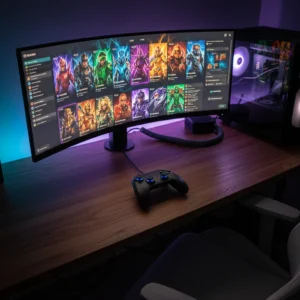
This new drop introduces a highly anticipated wave of Pixar and Marvel cosmetics. Crucially, they are fully interoperable. That means players do not just buy a skin for the standard battle royale mode. The items carry over seamlessly into other experiences inside the Fortnite launcher, including LEGO Fortnite, Rocket Racing, and Fortnite Festival.
It is a massive technical feat. Translating Pixar’s distinct, soft-edged art style into a high-stakes shooter was always going to be a challenge. Woody and Buzz Lightyear are the clear headliners of this first wave. Instead of looking out of place, they have been stylized to fit the chaotic world of Fortnite without losing their cinematic charm. Woody’s pull-string even reacts when he emotes. Buzz features a built-in glider that deploys his iconic green wings.
Breaking Down the Interoperability
The concept of cross-game ownership is simple. You buy it once, and you use it everywhere. But behind the scenes, making this work requires an enormous amount of optimization. In LEGO Fortnite, the Buzz Lightyear skin instantly transforms into a custom-designed LEGO minifigure, complete with a tiny dome helmet. In Rocket Racing, players can unlock Pizza Planet truck-inspired decals. Meanwhile, Fortnite Festival players can shred on stage using Woody’s iconic acoustic guitar as a playable instrument controller.
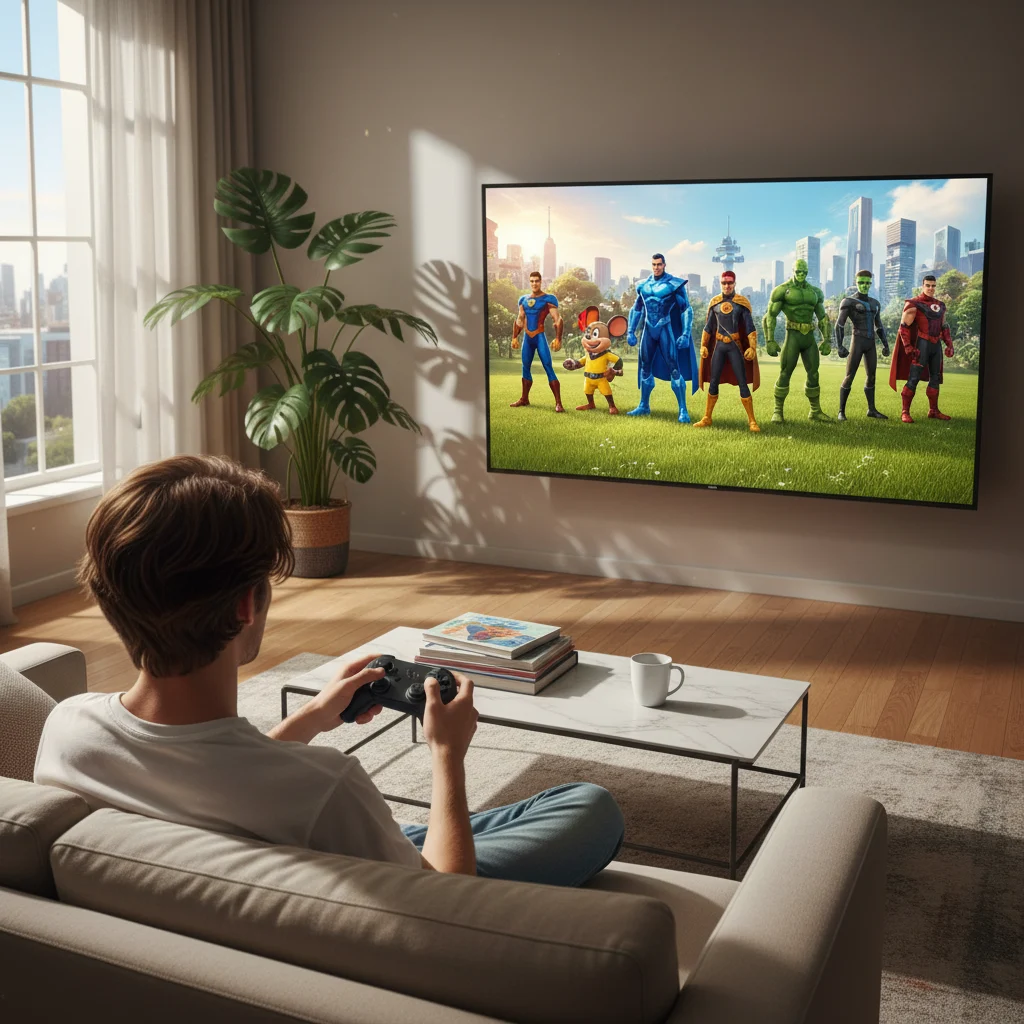
Alongside the Pixar classics, the Marvel lineup gets a major refresh. This wave focuses on classic comic-book-accurate versions of the characters rather than their live-action movie counterparts. Mr. Incredible and Elastigirl also join the roster, bringing unique animations that showcase their signature superpowers during lobby poses.
“We are building something that goes far beyond simple crossovers,” Epic Games CEO Tim Sweeney said during a brief press event ahead of the launch. “This is about creating a persistent digital space. If you own an identity in one corner of our ecosystem, you should own it everywhere. That is the promise we made with Disney, and Chapter 7 is the first real proof of that concept.”
Pricing, Bundles, and Technical Demands
The financial scale of this launch is equally ambitious. Epic has introduced the “Disney Pass” alongside the traditional Battle Pass. It costs 950 V-Bucks—roughly $8.00—and offers a separate track of unlockable cosmetics, loading screens, and music tracks. For players who want to buy things directly, individual character bundles are hitting the Item Shop for 2,200 V-Bucks each, while solo skins go for 1,500 V-Bucks.
- Disney Pass: 950 V-Bucks
- Individual Character Skins: 1,500 V-Bucks
- Mega Bundles (with emotes and instruments): 2,200 V-Bucks
This deep integration represents a shift in how game developers handle intellectual property. Usually, licensing agreements are tightly restricted to single games. A Marvel skin in one game rarely moves to another. Epic is shattering those walls.
“From a licensing perspective, this was a massive hurdle,” said Sean Shoptaw, Executive Vice President of Disney Games. “But both companies saw the bigger picture. Players do not want to buy the same digital toy three times. They want their purchases to have actual value across different virtual worlds.”
Early player reactions have been overwhelmingly positive, though some have raised concerns about the growing size of the game’s install file. With Chapter 7, the game now requires an additional 12 gigabytes of storage space, largely to accommodate the high-fidelity assets needed for the new cross-game engine.
Still, the lobby queues tell the real story. Millions of players flooded the servers within minutes of the downtime ending. Epic’s servers struggled briefly under the load, forcing the developer to implement temporary matchmaking queues. For now, the hype is undeniable. Fortnite is no longer just a battle royale game. It is the center of a rapidly expanding digital playground.