Is Fortnite FOMO Dead? Players Debate Battle Pass Skin Returns
Epic Games’ 18-month rule is reshaping Fortnite’s economy. As Battle Pass exclusivity fades, players are divided on whether the game has lost its magic.
The End of Fortnite’s Golden Rule
For seven years, Fortnite ran on a simple, brutal hook: buy it now, or lose it forever. This strict FOMO, or fear of missing out, built an empire. It turned digital cosmetic items into high-status symbols. If you wore a specific outfit from a years-old season, other players knew you were a veteran. You had the receipts to prove your loyalty.
But the rules of the loop are changing. Epic Games shocked the community by announcing a massive policy shift. Under the new guidelines, items featured in future Battle Passes can enter the in-game Item Shop 18 months after that season ends. The era of permanent exclusivity is officially over, and a fierce debate is raging across forums and social media.
The 18-Month Compromise
This landmark change officially began with Chapter 5, Season 4, the Marvel-themed ‘Absolute Doom’ update. Any skins, back blings, pickaxes, and emotes introduced from that point onward are no longer locked in a vault forever. After a year and a half, Epic has the right to put them up for direct purchase.
For some players, this is a massive victory. Casual fans and newcomers have long complained about missing out on iconic characters. If you did not play Fortnite during Chapter 2, you could never own Tony Stark. If you missed Chapter 3, Darth Vader was forever out of reach. Now, players can simply wait out the timer.
But the community is deeply divided. On Reddit and X, veteran players are mourning the loss of digital rarity.
- Some argue that without exclusive skins, the incentive to grind the 100-tier Battle Pass is gone.
- Others feel Epic is disrespecting the time investment of loyal, long-term players.
- A vocal minority claims that owning rare skins was the main reason they kept playing.
The Economic Reality of the Battle Pass
Does this policy change really ruin the value of the Battle Pass? If you look at the math, the answer is no. Epic Games has set up a system where playing the game remains by far the smartest financial move.
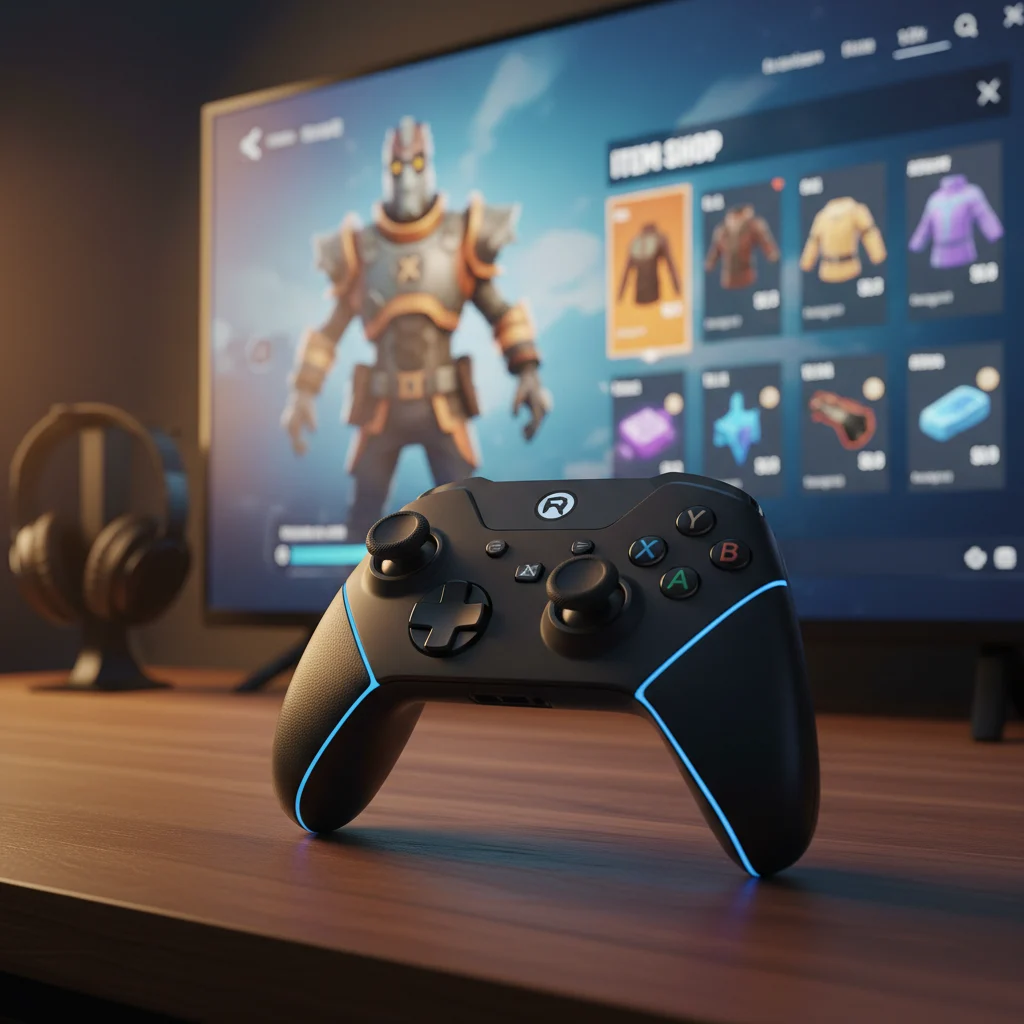
A standard Battle Pass costs 950 V-Bucks, which translates to roughly $8.50. For that price, players can unlock over 100 cosmetic rewards, provided they play enough to level up. If you wait 18 months for a specific skin to hit the Item Shop, that single character outfit will likely cost between 1,200 and 2,000 V-Bucks on its own.
In other words, the Battle Pass is still an incredible discount. It offers convenience and immediate access. The Item Shop is merely a safety net for people who missed the season entirely or did not have time to finish it.
The Disney Factor and Corporate Synergy
Why did Epic Games make this move now? The answer likely lies in their massive licensing partnerships. Epic has become a virtual playground for some of the biggest entertainment brands in the world, most notably Disney, which recently bought a $1.5 billion stake in the company.
From a business standpoint, locking highly profitable characters behind a permanent vault makes very little sense. If Disney releases a new Marvel film, they want fans to go to Fortnite and buy those characters immediately. They do not want players to discover that their favorite hero was exclusive to a random season three years ago and is now gone forever. By removing the exclusivity clause, Epic and its partners can generate continuous revenue from their most famous intellectual properties.
Is FOMO Actually Dead?
Despite the uproar, FOMO is not entirely gone from Fortnite. Epic’s new policy is not retroactive. This means every single Battle Pass skin from Chapter 1 through Chapter 5, Season 3 remains locked in the vault. Classic, highly sought-after outfits like the original Reaper, Meowscles, and Midas are still exclusive trophies of the past.
Furthermore, Epic has made it clear that Battle Pass items are not guaranteed to return to the Item Shop after 18 months. They merely *can* return. It is entirely up to Epic’s discretion. A skin might return after 18 months, or it might take three years, keeping a small element of uncertainty alive.
Ultimately, Fortnite is growing up. The game is transitioning from a seasonal survival game into a permanent, multi-universe social platform. In a world where players hang out, watch concerts, and play Lego adventures together, keeping digital clothes locked in a digital closet forever simply does not fit the grand vision anymore.