Fortnite Battle Pass Change Faces Big Test in October 2026
Epic Games’ plan to bring back past Battle Pass skins starts hitting the Item Shop in October 2026, threatening the underground account-selling market.
A Watershed Moment for Fortnite Collectors
For years, Fortnite thrived on a simple psychological trick: fear of missing out. If you did not buy and complete a Battle Pass during its designated season, those skins were gone forever. That created a massive, lucrative secondary market where players spent hundreds of dollars buying old accounts just to play as their favorite characters. But that era is about to end.
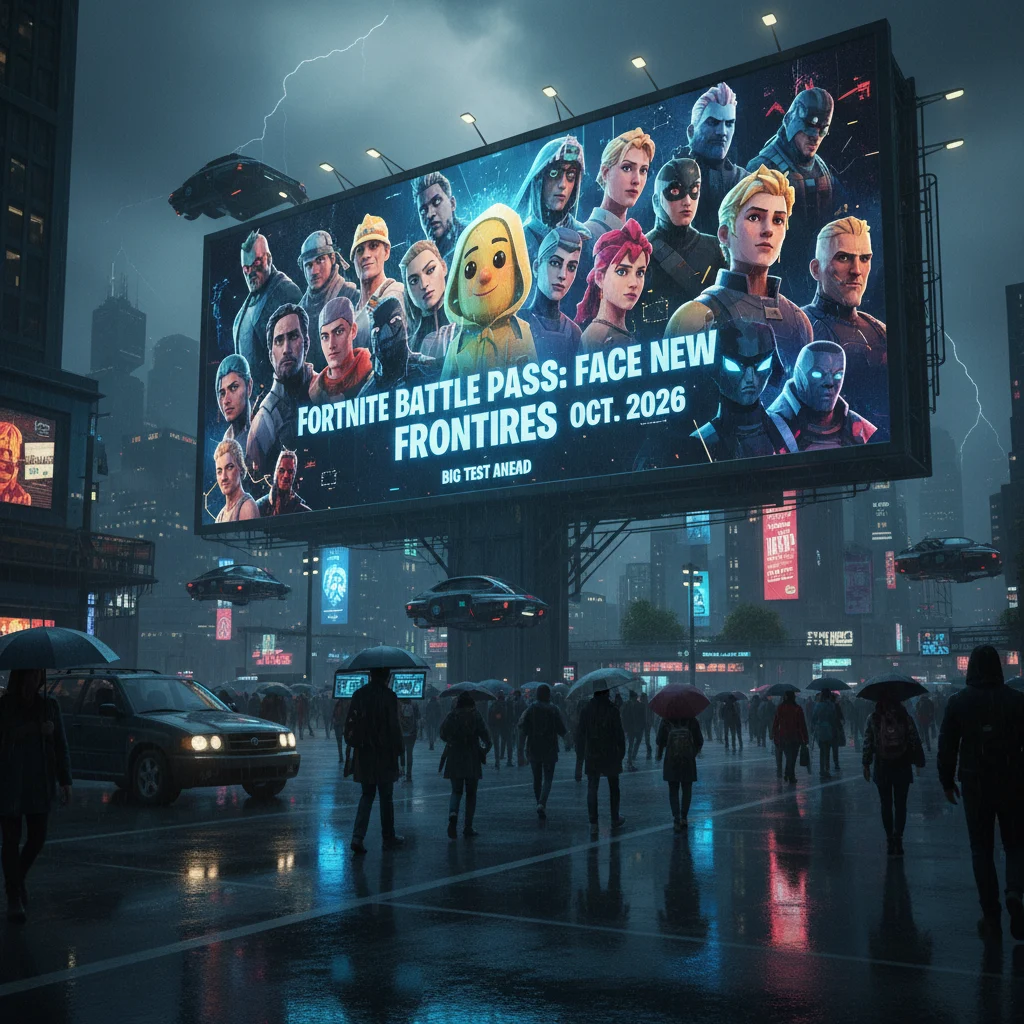
Epic Games made a quiet but revolutionary policy shift in late 2024. They announced that future Battle Pass items would no longer remain exclusive to their respective seasons. Instead, they could appear in the virtual Item Shop 18 months after a season wrapped up. Now, the gaming community is watching as the calendar ticks toward October 2026. That is when the first wave of highly coveted 2024 Battle Pass skins is eligible to make its commercial debut. It is the ultimate test of Epic’s new business model, and it is already sending shockwaves through the game’s underground economy.
The Collapse of the Account-Flipping Market
Historically, the “vaulting” of skins turned digital cosmetics into digital gold. A Battle Pass cost about ten dollars. But if you had a rare skin like the original Renegade Raider, Black Knight, or early Marvel collaborations, your account was suddenly worth real money on websites like PlayerAuctions or eBay. It was risky business. Buying and selling accounts violates Epic’s Terms of Service, often resulting in permanent bans. Still, players took the gamble. Some accounts changed hands for thousands of dollars.
With the new 18-month window, that gamble makes no financial sense. The math is simple:
- Newer skins are guaranteed to have a path to return.
- Players can buy them safely and legally direct from Epic Games.
- The risk of getting banned for account sharing drops to zero for these buyers.
- The artificial scarcity that fueled the black market has vanished.
Consider the lineup from late 2024. The “Absolute Doom” season featured heavy hitters like Gwenpool, War Machine, and Emma Frost. Under the old rules, anyone who missed that season was out of luck forever. Under the new rules, these characters will start trickling into the Item Shop around October 2026. Buyers will be able to purchase them directly using V-Bucks, Epic’s in-game currency.
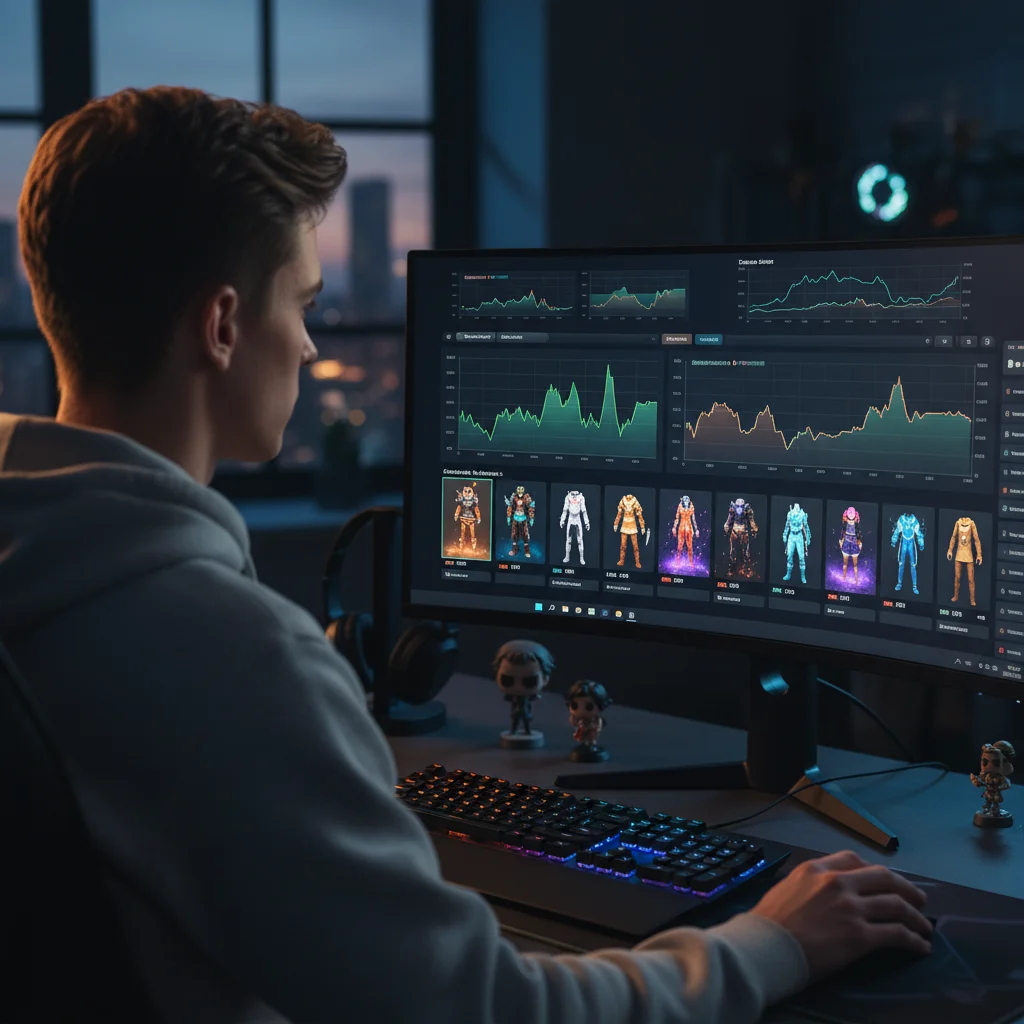
“Why would anyone risk buying a black-market account for $150 when they can just wait and buy the skin officially for fifteen bucks?” asks Marcus “Kael” Vance, a veteran digital goods trader. “The secondary market for newer accounts is basically dead on arrival. Sellers are desperately trying to unload their stock now before the timer runs out. It is a fire sale.”
Why Epic Ended the Exclusivity Era
Epic Games stands to make a fortune from this change. Under the old system, Epic did not see a single dime from secondary account sales. By re-releasing popular legacy skins directly in the Item Shop, the publisher recaptures that revenue. It also keeps newer players engaged. Someone who started playing Fortnite in 2025 might love Marvel, and knowing they can eventually buy 2024’s Doctor Doom skin keeps them invested in the ecosystem.
But the decision has not pleased everyone. A vocal segment of the Fortnite community prides itself on “OG” status. For these players, skins are status symbols. Wearing a rare skin from five years ago proves you were there. Some players argue that making these items widely available dilutes their value and cheapens the hours spent grinding through past Battle Passes.
Epic has tried to soften the blow. They noted that not all Battle Pass items are guaranteed to return, and those that do will not include alternative styles that required extreme grinding to unlock. Yet, the writing is on the wall. Exclusivity is a dying concept in live-service gaming.
What Happens Next?
As October 2026 approaches, the industry will be watching Epic’s experiment closely. If the transition is smooth and profitable, other developers will likely follow suit, spelling the end of the high-stakes account resale market across the entire gaming industry. For players, it means fewer regrets over missed seasons. For the black market, it is the end of the road.