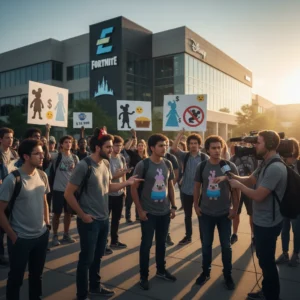
Fortnite AI Item Shop Update Sparks Privacy and FOMO Debates
Epic Games is testing a personalized “For You” section in the Fortnite Item Shop, raising questions about data tracking and psychological sales tactics.
Fortnite is changing how its players shop. The game’s virtual storefront, once a shared daily ritual for millions, is getting personal. Epic Games has started rolling out a new “For You” section in the Fortnite Item Shop, utilizing machine learning to curate cosmetic offers tailored to individual players. While Epic frames this as a convenient way to navigate a massive catalog of skins, the update has quickly ignited a fierce debate online. Players and watchdogs are raising serious concerns about data privacy and the psychological pressure of personalized monetization.
How the New AI Shop Works
For years, the Fortnite Item Shop operated on a simple, universal clock. Every day at 8:00 PM Eastern Time, the shop refreshed for everyone across the globe. Everyone saw the exact same skins, emotes, and gliders. It created a collective cultural moment. Players hopped online together to see what was new or what rare items had finally returned.
The “For You” update tears up that playbook. By leveraging AI algorithms, the game now analyzes your in-game habits. This includes:
- Your past purchasing history
- The cosmetic items currently sitting in your digital locker
- Your overall playtime and preferred gameplay styles
- Specific characters or themes you interact with most
The system uses this data to predict exactly what you might want to buy next. If you frequently play as Marvel characters, the system might serve up a rare comic book skin you missed. If you love flashy emotes, those will take center stage.
The Privacy Puzzle
Epic Games argues the change is necessary. With thousands of cosmetic items released over the last seven years, the shop has become incredibly bloated. Finding a specific older skin can feel like searching for a needle in a haystack. From a business perspective, helping players find what they want makes sense. But the automated matchmaking between players and microtransactions has left a sour taste in many mouths.
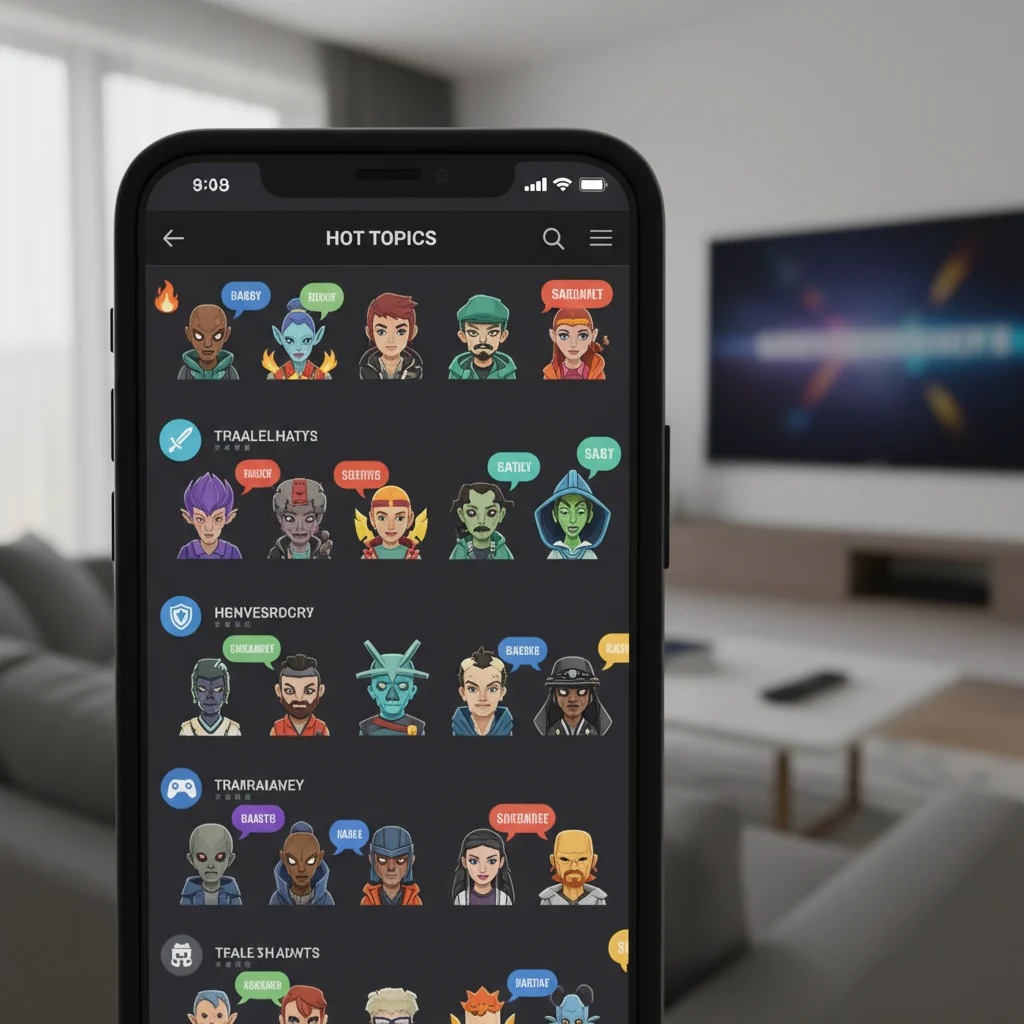
Privacy advocates are particularly uneasy about the level of tracking required to power this system. To make accurate recommendations, Epic’s algorithms must constantly monitor player behavior. Critics worry about the precedent this sets for younger players, who make up a massive chunk of Fortnite’s user base.
Weaponizing the Fear of Missing Out
Then there is the psychological side of the debate: the escalation of FOMO, or the “fear of missing out.” Fortnite’s business model has always relied on artificial scarcity. Skins appear for a limited time, creating a sense of urgency. When you combine this urgency with hyper-targeted AI recommendations, the pressure to buy skyrockets.
“It’s a digital salesperson that knows your exact weaknesses,” says digital media researcher Sarah Jenkins. “If an algorithm knows you are highly likely to buy a specific skin, and it presents that skin to you with a countdown timer, it removes the friction of decision-making. It targets impulsive buyers, particularly teenagers who may not have fully developed financial impulse control.”
A Divided Community
The community reaction remains deeply divided. Some players welcome the change, thrilled at the prospect of finally grabbing elusive skins without waiting months for a random shop rotation. Others feel the magic of the daily reset is being diluted. They argue that turning the shop into a personalized echo chamber ruins the fun of shared community hype.
As regulators worldwide keep a closer eye on video game monetization, Epic’s latest experiment will likely face intense scrutiny. Personalized shopping is already the norm on platforms like Amazon and TikTok. Whether players will accept those same aggressive retail tactics inside their favorite virtual battlegrounds is another question entirely.