EU Targets Coin Master Over ‘Dark Patterns’ and Free Spins
The European Union’s consumer watchdog is probing Coin Master developer Moon Active over manipulative game designs and misleading free spin offers.
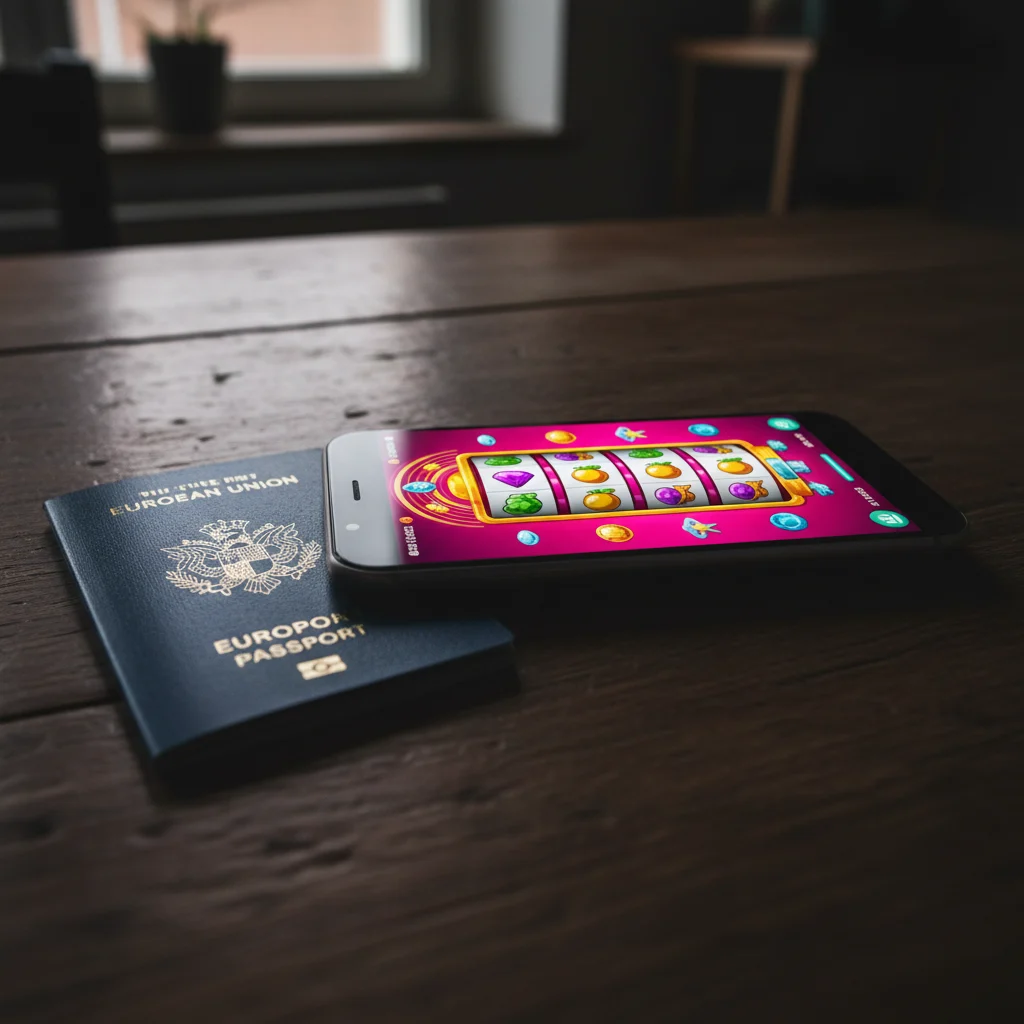
European consumer regulators are turning their spotlight on the mobile gaming giant Coin Master. The popular slot-adventure app, developed by Israeli company Moon Active, is now the subject of a formal investigation by the European Union’s Consumer Protection Cooperation (CPC) Network. Regulators want to know if the game uses deceptive design tactics, commonly called “dark patterns,” to push players into spending real cash.
Coin Master is one of the highest-grossing mobile games in the world. It blends casual village-building with virtual slot machines. But European authorities suspect the game’s mechanics are far from harmless fun. Specifically, the probe targets how the app advertises its daily free spin rewards and whether those rewards are a gateway to aggressive monetization.
The Trap of ‘Free’ Spins
At first glance, Coin Master appears highly generous. Players receive links for daily free spins through social media, email newsletters, and in-game notifications. These spins are crucial. They allow players to build their virtual villages, attack rivals, and steal coins. But the freebies don’t last long.
Regulators argue that these free spins act as bait. Once a player runs out of spins, the game’s interface shifts dramatically. Pop-up screens appear in rapid succession, offering “limited-time” deals to purchase more spins. Some of these offers use artificial countdown timers to create a false sense of urgency. This is a classic dark pattern: using psychological pressure to force quick, impulsive buying decisions.
“These systems are engineered to bypass rational decision-making,” says regulatory analyst Marc Veenstra. “A player gets a hit of dopamine from the free spins, and just as that feeling fades, they are hit with a high-pressure sale. For many, especially younger players, saying no becomes incredibly difficult.”

Targeting Vulnerable Players
One of the biggest concerns for EU regulators is how the game affects children. Coin Master features colorful, cartoonish graphics, animal sidekicks, and a friendly mascot pig. These design choices clearly appeal to minors. Yet, the core gameplay revolves entirely around slot machines and gambling mechanics.
Under EU consumer law, targeting children with aggressive commercial practices is strictly illegal. The CPC Network is investigating whether Moon Active deliberately designed Coin Master to exploit children’s natural credulity and lack of experience. Regulators are examining several specific features:
- Frequent, unskippable prompts urging players to connect their Facebook accounts to compare progress with friends.
- The lack of robust, default spending caps or age-verification barriers.
- Deceptive pricing displays where “slashed” original prices for coin packs may never have actually existed.
Regulatory Backlash and Potential Penalties
This is not the first time mobile games have faced scrutiny in Europe. The EU has grown increasingly hostile toward predatory monetization in gaming, particularly loot boxes and pay-to-win systems. If the CPC Network finds Moon Active guilty of violating consumer protection laws, the financial consequences could be severe.
National authorities in the EU have the power to issue hefty fines. Under modernized consumer rules, penalties can reach up to 4% of a company’s annual turnover in the affected member states. Beyond financial penalties, regulators could force Moon Active to radically redesign Coin Master’s gameplay loop and reward structures for European users.
So far, Moon Active has kept a low profile regarding the probe. The company has previously stated that its games comply with all applicable local laws and that in-app purchases are entirely optional. However, as pressure mounts from Brussels, keeping that stance will get much harder.
The investigation is expected to take several months as regulators gather evidence from players and analyze the game’s software code. For now, the spotlight remains firmly on how the mobile gaming industry treats its audience. The outcome of this case could set a massive precedent for how digital rewards and in-app purchases are regulated across the entire European continent.