Epic Games Slated to Bring Fortnite Back to iOS in Japan
Fortnite is returning to iPhones in Japan in 2025. A sweeping new antitrust law has forced Apple to open iOS to rival app stores.
Japanese iPhone users will soon be able to drop into Fortnite again. Epic Games has confirmed plans to launch its dedicated mobile storefront on iOS in Japan, bringing the hit battle royale game back to Apple devices in the country. The move is a direct consequence of Japan’s newly passed antitrust legislation, which targets mobile app monopolies.
The law in question is the Act on Promotion of Competition for Specified Smartphone Software. Passed by Japan’s parliament in June, this sweeping legislation aims to break the stranglehold that tech giants like Apple and Google hold over mobile software delivery and digital payments. It mirrors the European Union’s Digital Markets Act. Essentially, it forces platform operators to allow third-party app stores and alternative billing systems on their devices.
A Major Shift for Japanese Mobile Gamers
For Japanese players, this is a massive change. Epic Games has been locked out of iOS globally since 2020. That was the year Apple booted Fortnite from the App Store after Epic attempted to bypass Apple’s 30% transaction fee. While Epic has fought Apple in courts and legislatures around the world, regulatory action is proving to be the most effective battering ram.
According to Epic, the Epic Games Store and Fortnite are slated to launch on iOS in Japan in late 2025. This timeline aligns with when the new law is expected to fully take effect.
High Stakes and Heavy Penalties
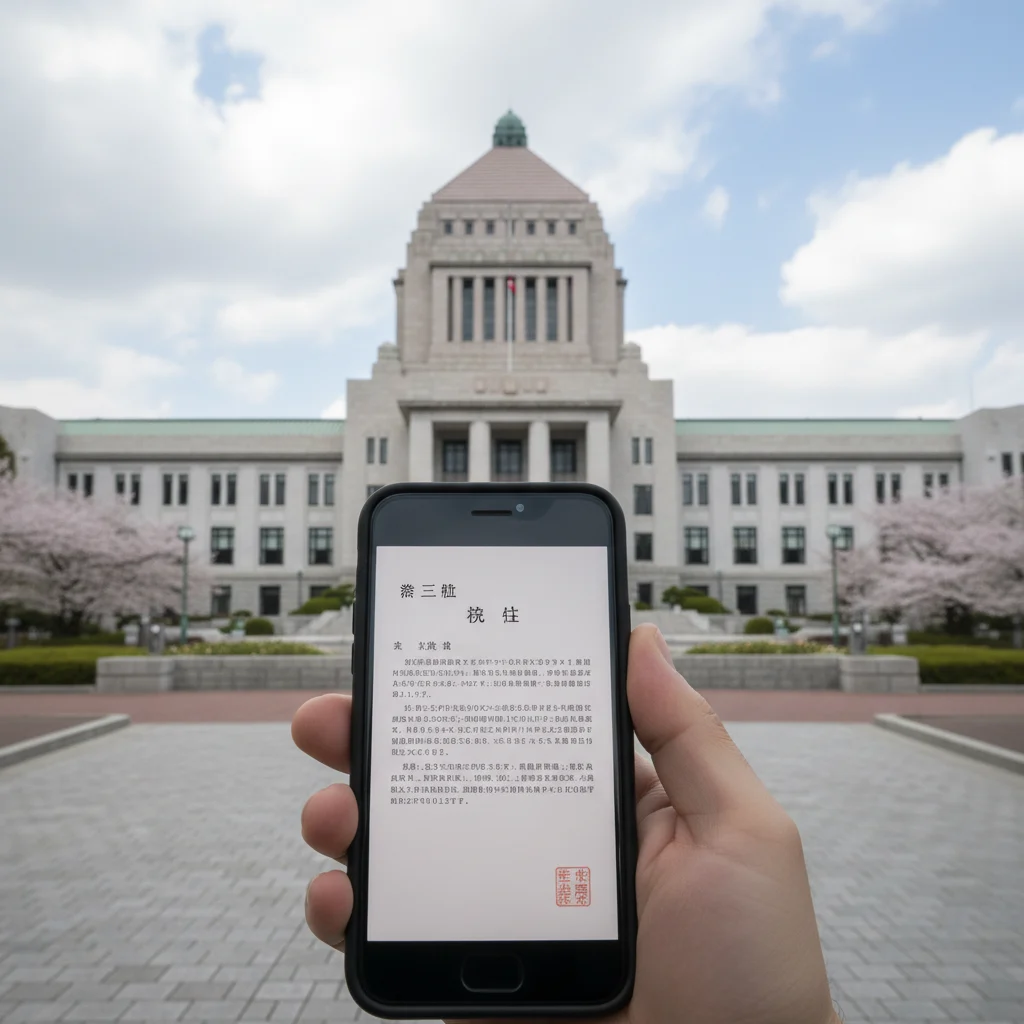
Under the new Japanese regulations, dominant providers—deemed “specified software providers”—cannot block developers from using alternative app stores or third-party payment channels. They are also banned from giving their own services preferential treatment in search results. The teeth of this law are incredibly sharp. If companies fail to comply, they face severe financial penalties.
- Initial fines can reach up to 20% of the offending service’s domestic revenue in Japan.
- If the anticompetitive behavior continues, that penalty can skyrocket to 30%.
- These figures dwarf standard antitrust fines, giving companies like Apple and Google very little room to maneuver.
Tim Sweeney, the outspoken CEO of Epic Games, has long advocated for open mobile ecosystems. Epic was quick to praise the Japanese government’s legislative push, calling it a victory for both consumers and developers. They believe it will pave the way for fairer economics across the industry.
The Global Domino Effect
Japan represents one of the world’s most lucrative mobile gaming markets. Bringing Fortnite back to Japanese iPhones is a major strategic win for Epic, which has struggled to capture mobile market share since its banishment from the official iOS App Store. In August, Epic launched its storefront on iOS in the EU, proving that its alternative ecosystem could function on Apple devices when backed by legal mandates.
Apple, meanwhile, has consistently warned that forcing it to open iOS to third-party stores compromises user privacy and security. The company argues that its strict App Store curation is necessary to protect consumers from malware and scams. However, regulators worldwide are increasingly unconvinced. They view these arguments as a pretext for protecting highly profitable monopolies.
The upcoming changes in Japan are part of a broader global shift. As regions like Europe and Japan force Apple’s hand, other nations are closely watching. South Korea has already implemented laws targeting app store payment monopolies, and pressure is building in several other markets. For now, Japanese players will have to wait for the regulatory wheels to turn. But the path is clear. The era of the single-gatekeeper mobile ecosystem is rapidly drawing to a close.