Fortnite iOS Comeback: How Epic’s EU Gamble Is Playing Out
Epic Games is pushing hard into the European mobile market. Here is how Fortnite is performing on third-party iOS stores after its dramatic return.
Epic’s Bold European Experiment
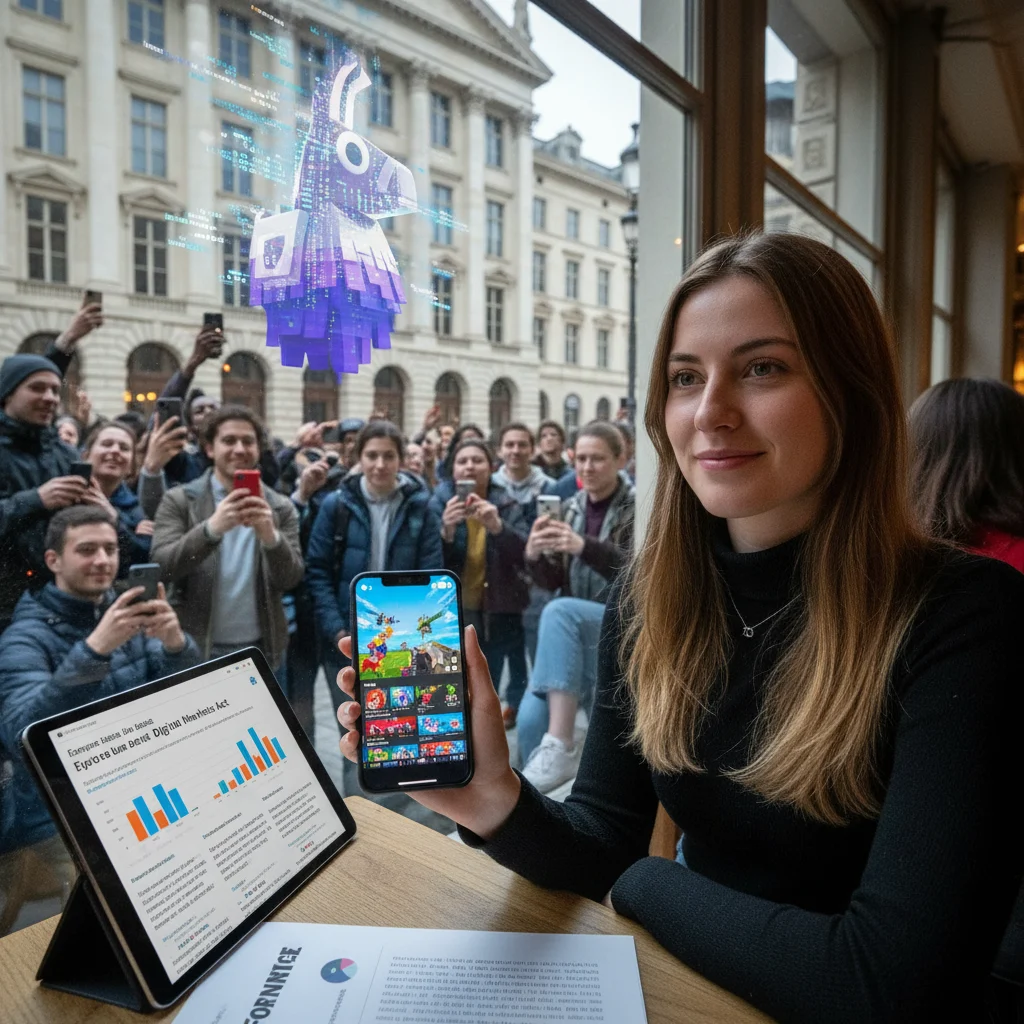
Epic Games is finally back on iPhones in Europe, but the journey has been anything but smooth. After a brutal four-year legal and regulatory battle with Apple, the gaming giant launched its own mobile storefront in August. This return was made possible by the European Union’s Digital Markets Act (DMA), a sweeping piece of antitrust legislation designed to break the monopoly of major tech gatekeepers. For European players, it meant they could finally jump back into the Battle Royale on their iOS devices. Now, with several months of data on the books, we can see how this high-stakes gamble is actually going.
The return of Fortnite to iOS did not happen through the traditional App Store. Instead, Epic bypassed Apple’s billing systems entirely, launching the Epic Games Store app on iOS alongside other independent platforms like AltStore PAL. It was a historic moment. For the first time, Apple was forced to allow rival marketplaces on its flagship device. But while the regulatory victory was clear, the practical execution has proved to be a massive logistical headache for both Epic and its players.
Navigating Apple’s Digital Roadblocks
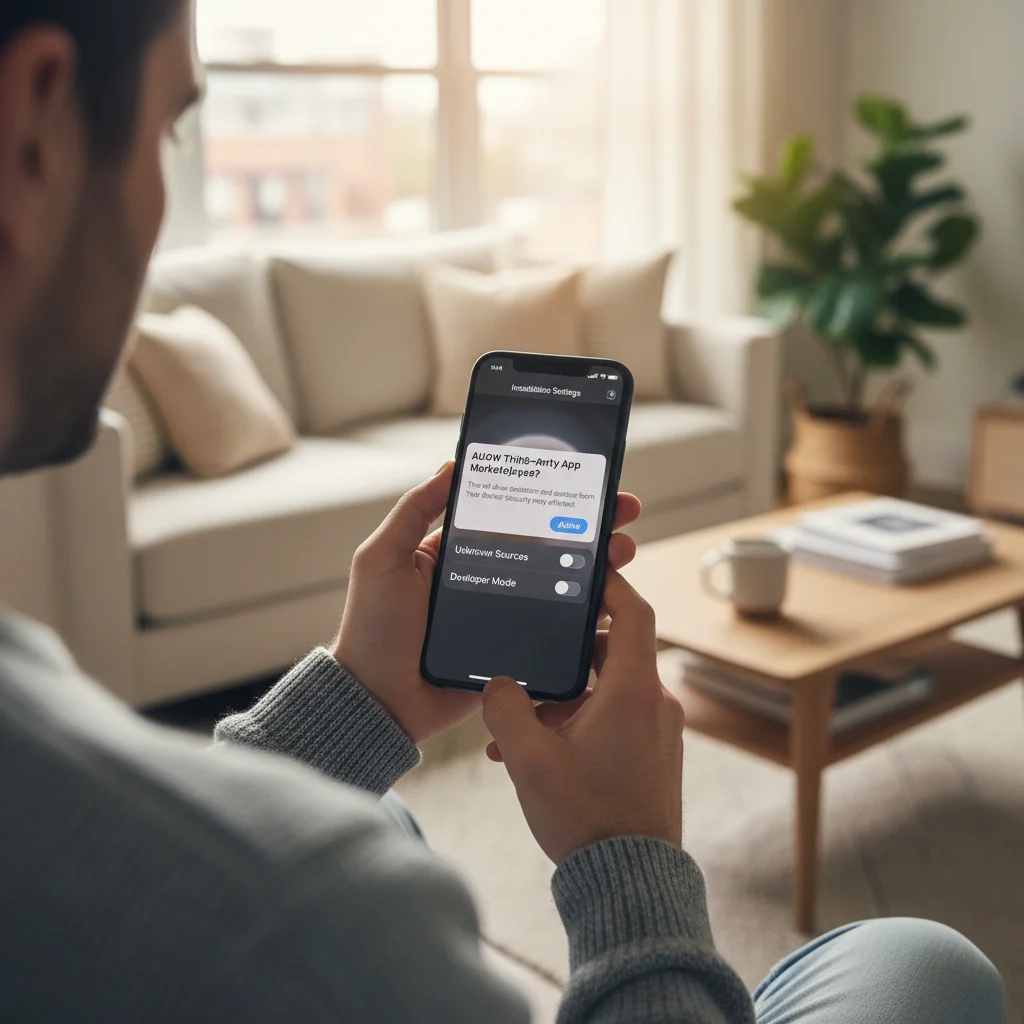
Tim Sweeney, Epic’s outspoken chief executive, has spent months criticizing Apple’s implementation of the DMA. He calls it “malicious compliance.” To actually get Fortnite onto an iPhone in Europe, users cannot just tap “download” and start playing. Instead, they must navigate a tedious setup process. Installing a third-party store requires going deep into the iOS settings menu, clicking through multiple warning screens, and granting highly specific permissions.
Apple warns users of potential security risks, data privacy issues, and the lack of official App Store protections. Epic argues these warnings are intentionally designed to scare users away. The numbers seem to back up the idea that friction kills conversions. Many casual players simply give up halfway through the multi-step installation process. Yet, despite these digital roadblocks, dedicated gamers are still pushing through. The allure of mobile Fortnite remains incredibly strong, and for many, clicking through five warning screens is a minor inconvenience to get the game back in their pockets.
Download Milestones and the Road Ahead
Epic set an ambitious goal of reaching 100 million mobile downloads by the end of the year across both iOS and Android. While the company has been quiet about sharing daily active user numbers specifically for European iOS devices, the initial momentum has been solid. Epic has confirmed that millions of players have successfully downloaded the game via the new alternative marketplaces. It is a promising start, but the financial reality of this setup is complex.
Under Apple’s new business terms in the EU, alternative marketplace developers must pay a “Core Technology Fee” of fifty cents for each first annual install after a threshold of one million downloads. For a free-to-play game like Fortnite, which relies on in-game cosmetic purchases rather than upfront sales, this fee structure can quickly become incredibly expensive. Epic has the deep pockets to absorb these costs as part of its broader war against Apple, but the fee makes it incredibly difficult for smaller developers to follow in Epic’s footsteps.
Spreading to Other Marketplaces
Epic’s strategy is not limited to its own proprietary app. The company is actively working to bring Fortnite and its other mobile titles to a wider variety of independent storefronts. Epic has already partnered with AltStore PAL and has expressed strong interest in launching on other mobile marketplaces like Aptoide and the South Korean ONE Store. By diversifying its distribution, Epic hopes to establish a sustainable ecosystem that does not rely on Apple or Google’s approval.
The ultimate success of Epic’s mobile expansion will not be decided overnight. It depends on whether European gamers can be trained to look outside the official App Store for their gaming fix. If Epic can prove that alternative stores can survive and thrive despite Apple’s restrictive policies, it could change the global mobile gaming landscape forever. For now, European iPhone users are the guinea pigs in a massive corporate experiment that is rewriting the rules of the mobile web.