Epic Games Faces Legal Heat Over Fortnite Bootleg Skins
Fortnite’s new Creator Cosmetics Marketplace is under fire as bootleg skins of copyrighted characters spark serious copyright concerns.
The Wild West of Fortnite’s New Marketplace
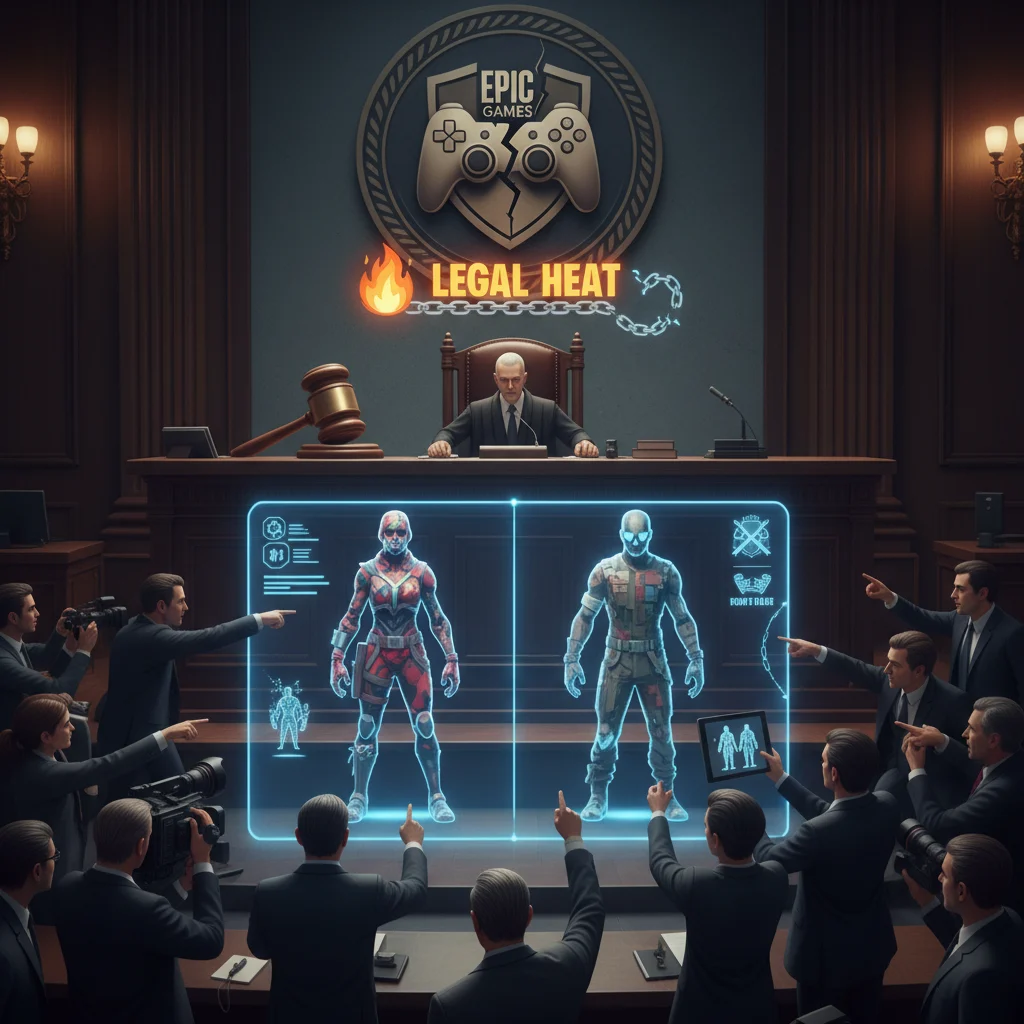
Epic Games wanted to revolutionize how players customize their characters. Instead, they walked straight into a legal minefield. The developer recently rolled out its highly anticipated Creator Cosmetics Marketplace, a digital storefront designed to let independent creators design, upload, and sell their own virtual clothing and accessories inside Fortnite. It was supposed to be a win-win for the community and Epic’s bottom line. Then the bootlegs arrived.
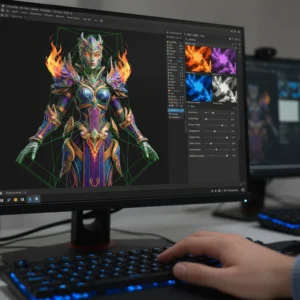
Within hours of the launch, the marketplace was flooded with items that looked incredibly familiar. Players quickly spotted digital gear that closely mimicked copyrighted characters from anime, rival video games, and major movie franchises. From suspiciously familiar ninja headbands to armored suits that look exactly like popular sci-fi heroes, the platform suddenly looked less like an indie design hub and more like an unauthorized fan convention. Now, industry experts and intellectual property lawyers are warning that Epic Games could be facing a massive legal headache.
Where Creativity Meets Copyright Infringement
Fortnite is no stranger to intellectual property. The game is famous for its official crossovers with everyone from Marvel to Disney. But those deals cost millions of dollars and require months of careful negotiation. The Creator Cosmetics Marketplace bypasses that entire process, allowing individual users to upload designs directly to the game’s store. Epic takes a cut of every sale, and that is where the legal reality gets complicated.
Historically, platforms like YouTube and Roblox have relied on the Safe Harbor provisions of the Digital Millennium Copyright Act (DMCA). Under this framework, if a user uploads copyrighted material, the platform isn’t liable as long as they take it down quickly when the copyright holder complains. But legal experts suggest that Epic’s active curation and direct profit-sharing model could weaken this defense.
“When a platform isn’t just hosting content, but actively splitting profits on highly curated commercial items, their legal shield starts to look a lot thinner,” says intellectual property attorney Marcus Vance, who has followed the rise of user-generated content in gaming. “If a court determines Epic should have known these items were infringing, the financial liabilities could be astronomical.”
The Whack-a-Mole Problem of Moderation
Epic Games has insisted that it has strict guidelines in place to prevent copyright violations. The company uses automated filtration systems and manual review teams to screen submissions before they go live. But creators are highly creative, especially when it comes to bypassing automated filters. By slightly altering colors, changing names, or tweaking a 3D model’s proportions, bootleg designers can easily slip past basic algorithms.
The result is a frustrating game of digital whack-a-mole. By the time Epic’s moderation team identifies and removes a copycat skin, it may have already been purchased by thousands of players. Once a player buys an item, taking it away from them creates a different customer service nightmare, even if Epic refunds the virtual currency.
This isn’t the first time a gaming giant has struggled with user-generated content. Roblox has faced multiple lawsuits over music copyright and trademark violations within its user-created games. However, Fortnite’s hyper-realistic art style and direct integration with massive global brands make the stakes much higher. Major media conglomerates who already have official partnerships with Epic are unlikely to look kindly on cheap, unofficial knockoffs of their characters being sold next to the real thing.
What Lies Ahead for the Creator Economy
For now, Epic Games is doubling down on its moderation efforts, promising faster takedowns and stricter penalties for creators who violate intellectual property rules. Persistent offenders face permanent bans from the creator program, which could cost them their livelihood. But as the line between official game development and user-generated content continues to blur, the industry is watching closely. If Epic cannot get a handle on its bootleg problem, the Creator Cosmetics Marketplace might have to be scaled back significantly, or shut down entirely, before a major studio decides to take them to court.