TikTok Scammers Target Coin Master Players With Fake Spin Links
Consumer groups warn Coin Master players of a massive TikTok phishing campaign offering fake free spins to hijack accounts and steal personal data.
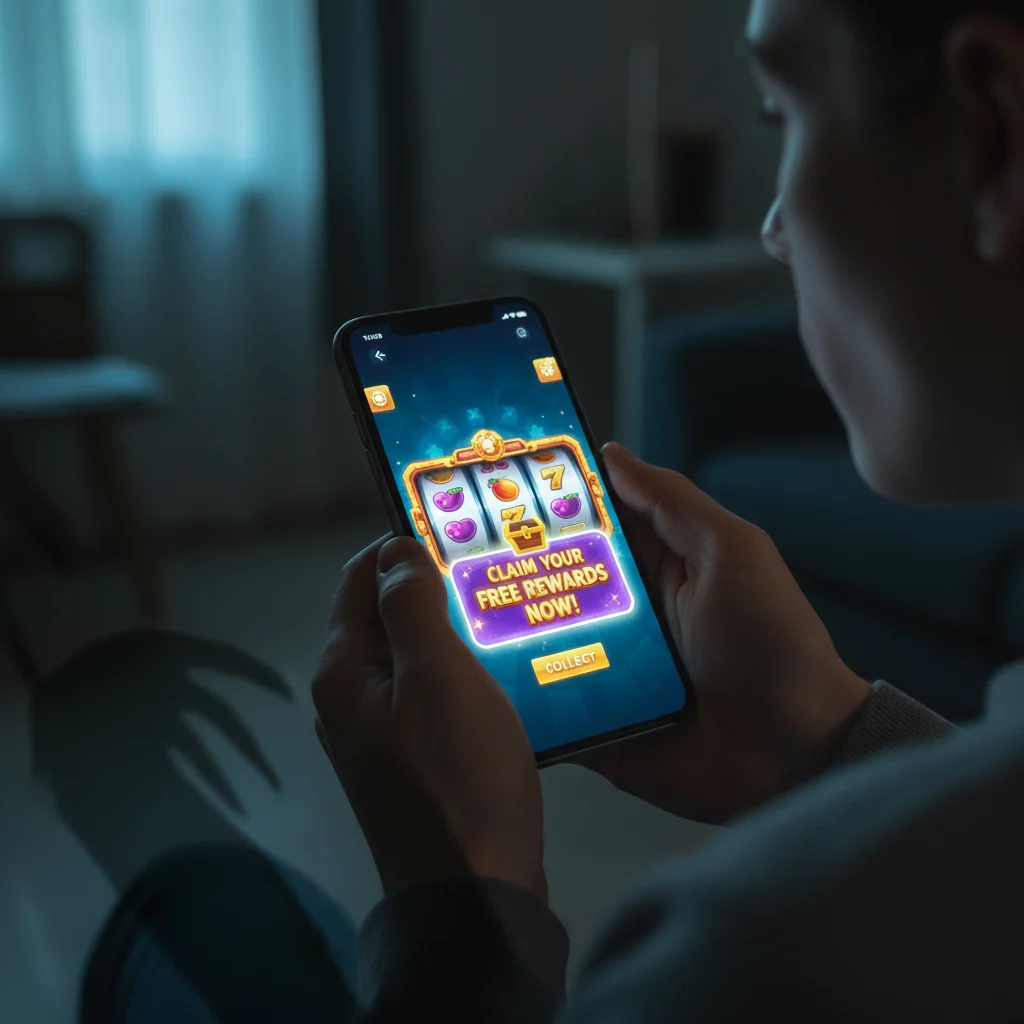
A major cybersecurity threat is quietly sweeping through the mobile gaming community. Consumer protection watchdogs are sounding the alarm over a highly organized phishing campaign targeting players of the hit game Coin Master on TikTok.
The scam relies on the game’s most valuable currency: spins. With players constantly looking for ways to keep their virtual slot machines turning, bad actors have found an easy entry point. Throughout October 2026, thousands of deceptive videos have cropped up on TikTok, promising massive bundles of free spins and coins. But security experts warn these offers are nothing more than a trap designed to steal personal data and hijack accounts.
How the TikTok Coin Master Scam Works
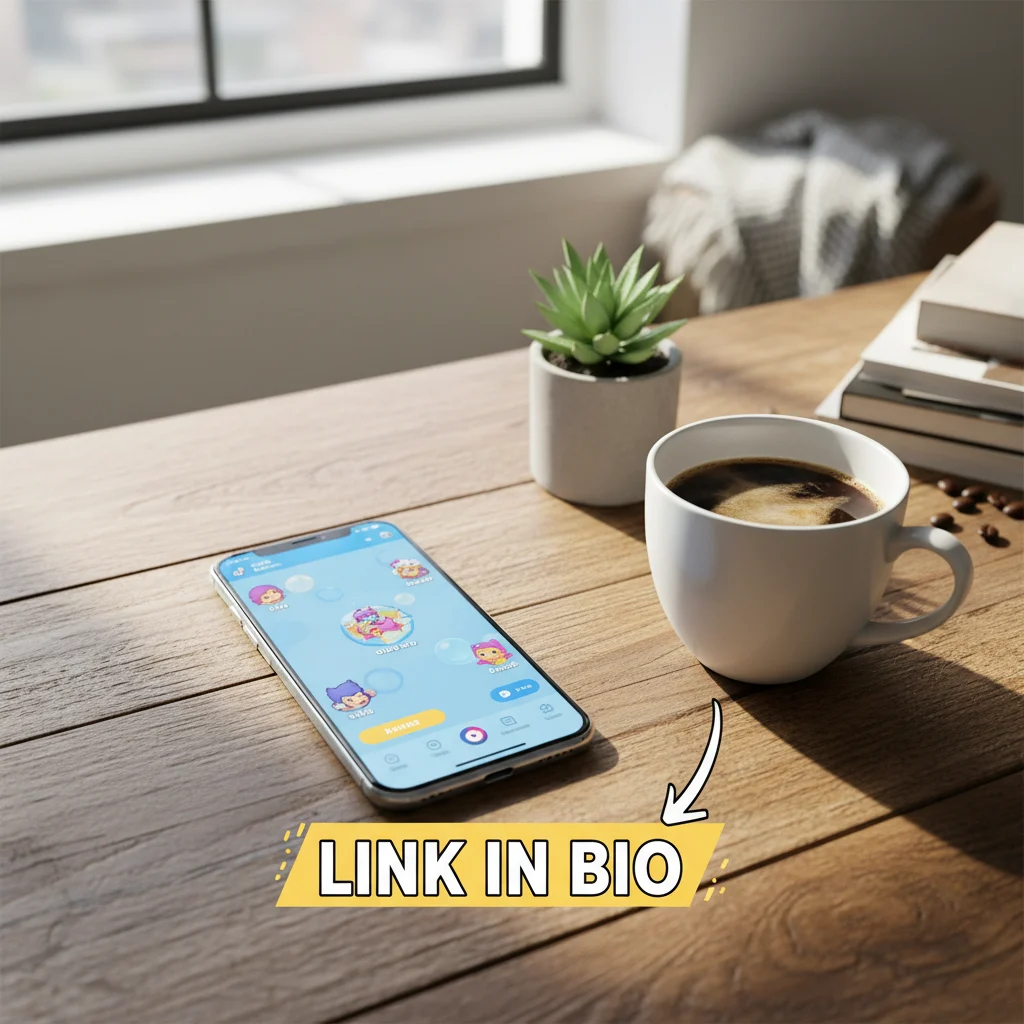
It starts with a simple, eye-catching video. Scammers use captured gameplay footage, bright flashing text, and upbeat music to grab a viewer’s attention. The clips promise immediate rewards—sometimes up to 50,000 free spins—with no purchase necessary. To claim them, users are told to click a link pinned in the video’s comments or featured prominently in the creator’s profile bio.
Once clicked, these links take players away from TikTok to external websites. These spoofed pages are designed to look identical to official Moon Active or Coin Master promotional portals. Users are then asked to input their game usernames, linked email addresses, and sometimes even their Facebook login credentials. Some sites go a step further, requiring players to download “verification apps” that are actually disguised malware.
“The sophistication of these fake landing pages is what makes them so dangerous,” says Marcus Vance, a digital safety advocate with the Consumer Defense Alliance. “They use the official game’s branding, logos, and color schemes. To a casual player, especially a younger one, it looks entirely legitimate.”
Why Mobile Gamers Are Easy Targets
Coin Master relies heavily on a loop of waiting and playing. Players get a limited number of free spins every hour. Once those run out, they must either wait, invite friends, or spend real-world money to keep playing. This friction creates a sense of urgency.
“The game is designed to make you want to keep spinning,” Vance explains. “When players run out of turns, frustration kicks in. Scammers prey on this exact moment of impatience. They offer a quick fix, and when people are eager, they tend to overlook obvious red flags.”
According to reports compiled by consumer protection groups, the current campaign has grown rapidly due to TikTok’s recommendation algorithm. Many of these fraudulent videos use trending sounds and hashtags, pushing them directly onto the “For You” pages of active mobile gamers who have never even searched for hacks.
The Cost of a Hijacked Account
Losing access to a gaming account might sound minor to outsiders, but the consequences can be costly. Many Coin Master players have their game accounts linked directly to their Google Play, Apple App Store, or Facebook profiles. Once scammers gain control of these linked accounts, they can access stored payment methods to make unauthorized purchases.
Beyond the immediate financial risk, players often invest years of effort and real money into building their virtual villages. A single bad click can wipe all of that out in seconds. Victims of this latest sweep have reported having their rare in-game card collections traded away and their hard-earned coins spent by hackers before they even realize they have been locked out.
Protecting Your Account and Personal Info
If you play Coin Master, protecting yourself requires a healthy dose of skepticism. Security experts recommend keeping the following rules in mind:
- Stick to official channels: Moon Active only distributes legitimate free spin links through their verified social media accounts, primarily on Facebook and X (formerly Twitter). They will never ask you to download external apps to claim a reward.
- Check the URL: Before entering any information, look closely at the website address. If it does not end in the official domain of the game developer, close the tab immediately.
- Never share login details: No legitimate giveaway will ever require your Facebook password or personal email credentials.
- Enable two-factor authentication: Keep your linked social media accounts secure by turning on two-factor authentication. This prevents hackers from gaining access even if they manage to phish your password.
Consumer groups have already reached out to TikTok’s parent company, ByteDance, urging them to take down the fraudulent accounts and improve automated detection of gaming scams. In the meantime, the burden of safety falls on the players themselves. If an offer seems too good to be true, it almost certainly is.