Coin Master Players Warned of Halloween Phishing Scams
Cybersecurity experts warn Coin Master players about fake Halloween free spin links designed to steal Facebook credentials.
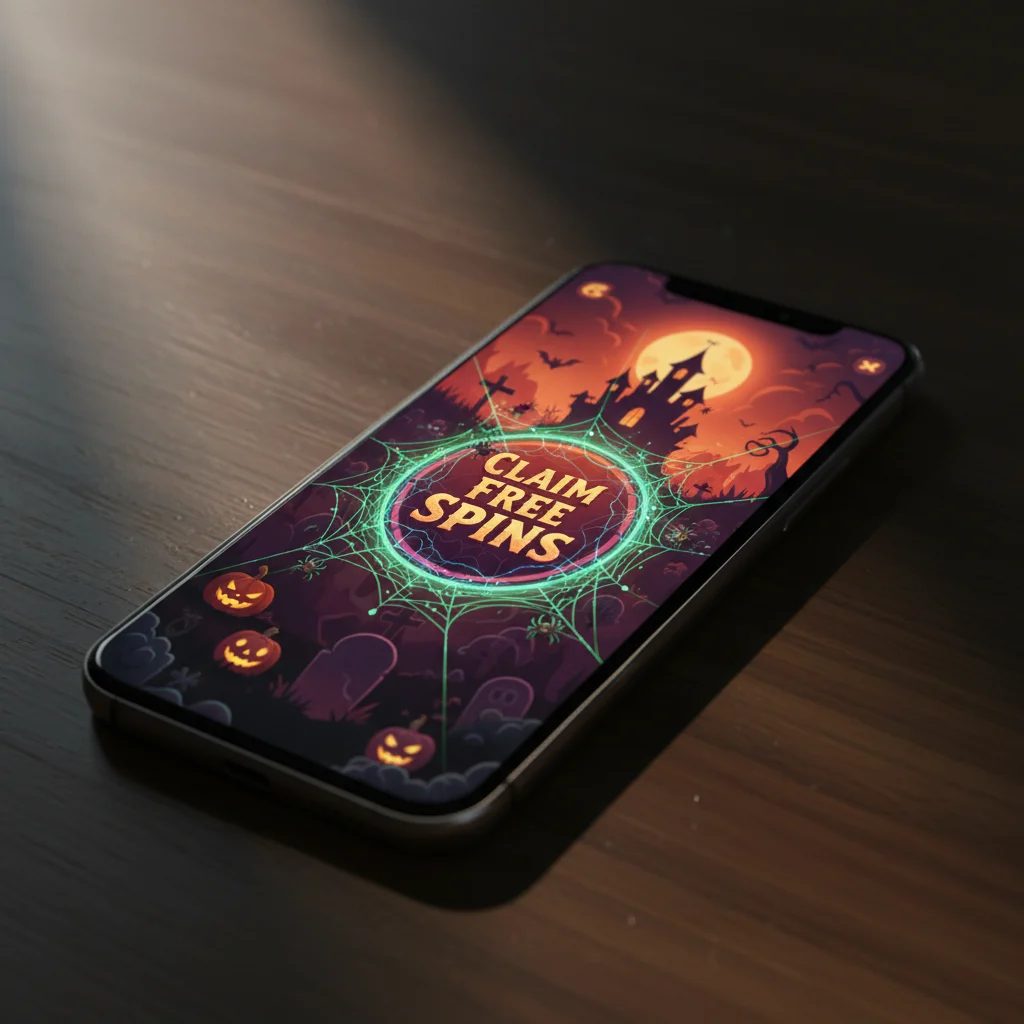
A massive phishing campaign is targeting mobile gamers ahead of the upcoming Halloween seasonal events. Security researchers say cybercriminals are using fake free spin giveaways to steal account credentials from players of the hit mobile game Coin Master.
The popular game, developed by Moon Active, relies heavily on a slot-machine mechanic where players spin to win coins, attack rival villages, and shield their own. Because spins are a limited resource, players often hunt for free spin links online.
Now, bad actors are exploiting this demand.
According to a report released by cybersecurity firm ThreatGuard Labs, malicious campaigns have surged by over 40% since mid-September. Attackers are setting up sophisticated traps disguised as early Halloween promotional events.
How the Halloween Spin Scam Works
The scam spreads primarily through social media platforms, including Facebook groups, Discord servers, and Reddit communities dedicated to Coin Master fans.
Typically, a post promises an unusually high number of free spins, sometimes up to 1,000, as a Halloween warm-up gift. The post includes a shortened link.
When a user clicks the link, they are redirected to a cloned website that looks identical to the official Coin Master or Moon Active rewards portal. To claim the spins, the site prompts the player to log in using their Facebook account.
This is where the trap snaps shut. Once you enter your login details, the hackers hijack your Facebook account. They do not just take your game progress. They get your personal data, your friend list, and sometimes even your linked payment methods.
In many cases, the compromised accounts are immediately used to post the same scam link to the victim’s friends, creating a viral chain reaction.

An Escalation in Sophistication
Phishing is not new to mobile gaming, but researchers note that the current wave is unusually polished.
The attackers are using valid SSL certificates to make the scam sites show the secure padlock icon in web browsers. They have also localized the landing pages into several languages, including Spanish, Portuguese, German, and Italian, targeting global player bases.
Furthermore, some of these malicious sites deploy stealthy scripts that check if the visitor is using a mobile emulator or a desktop browser. If they detect a cybersecurity analyst running a test on a PC, the site redirects to a harmless search engine page to avoid detection. It only shows the phishing page to real mobile users.
It is a clever way to stay under the radar of automated security scanners.
Why October is Prime Time for Hackers
October is always a high-revenue month for the mobile gaming industry. Developers roll out limited-time Halloween events with exclusive in-game items, spooky village themes, and rare cards.
To complete these time-sensitive events, players need thousands of spins. The urge to progress fast makes gamers less cautious.
Gamers get highly competitive during seasonal events. They want those Halloween-themed shields and pets. When they see a link offering a shortcut, excitement overrides their skepticism. Hackers count on that emotional trigger.
How to Protect Your Account
Security experts recommend several steps to keep your mobile gaming accounts secure this spooky season:
- Stick to official sources: Only claim free spins through the official Coin Master social media channels, which carry verification badges.
- Inspect the URL: Official links usually lead to the game app itself or a recognized domain. Avoid links that use generic url shorteners or strange, unknown domains.
- Enable Two-Factor Authentication (2FA): Since Coin Master links to Facebook, securing your Facebook account with 2FA will prevent unauthorized logins even if someone gets your password.
- Never download external apps: Some fake sites claim you need to install a spin generator tool. These are almost always spyware or adware.
If you believe you have fallen victim to one of these scams, change your Facebook password immediately, end all active sessions in your security settings, and contact support to secure your game account.