Angie Nixon Makes Final Push in Jacksonville District 13 Campaign
Florida Representative Angie Nixon rallies voters in Jacksonville’s District 13, fighting school closures ahead of the November 2026 election.
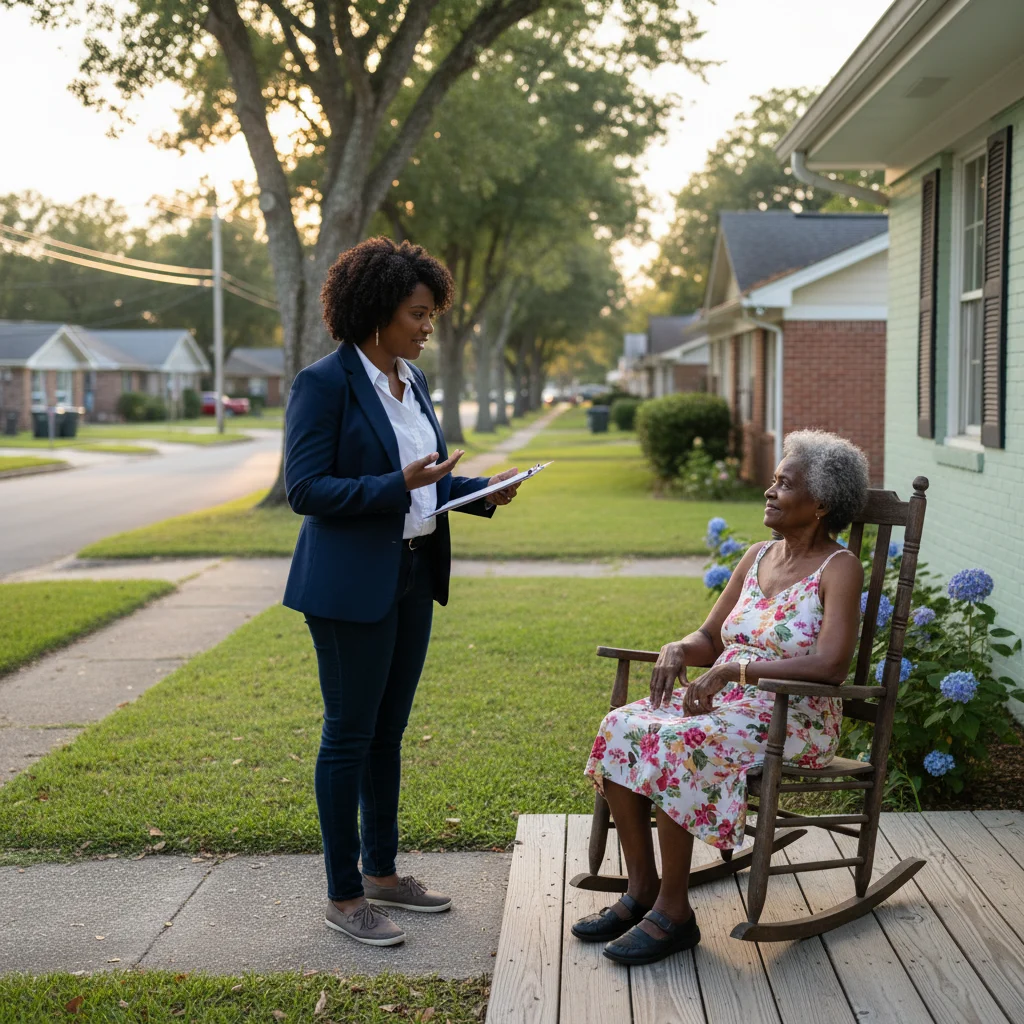
The autumn heat in Northwest Jacksonville still clings to the pavement. On a quiet street in District 13, Florida State Representative Angie Nixon is walking. She is knocking on doors, clipboard in hand, speaking with anyone who opens. The November 2026 election is just days away, and there is no time to waste. For Nixon, this final campaign stretch is about much more than securing another term in Tallahassee. It is about the survival of the neighborhood itself.
District 13 is a sprawling, diverse slice of Duval County. It contains historic Black communities, working-class families, and areas that have felt ignored by local and state governments for decades. Nixon, a veteran community organizer before she ever ran for office, knows the terrain well. She also knows that getting people to the polls during a mid-term cycle requires a clear, urgent message. This year, that message centers on a crisis hitting close to home: the proposed consolidation and closure of Duval County public schools.
The Fight to Save Neighborhood Schools
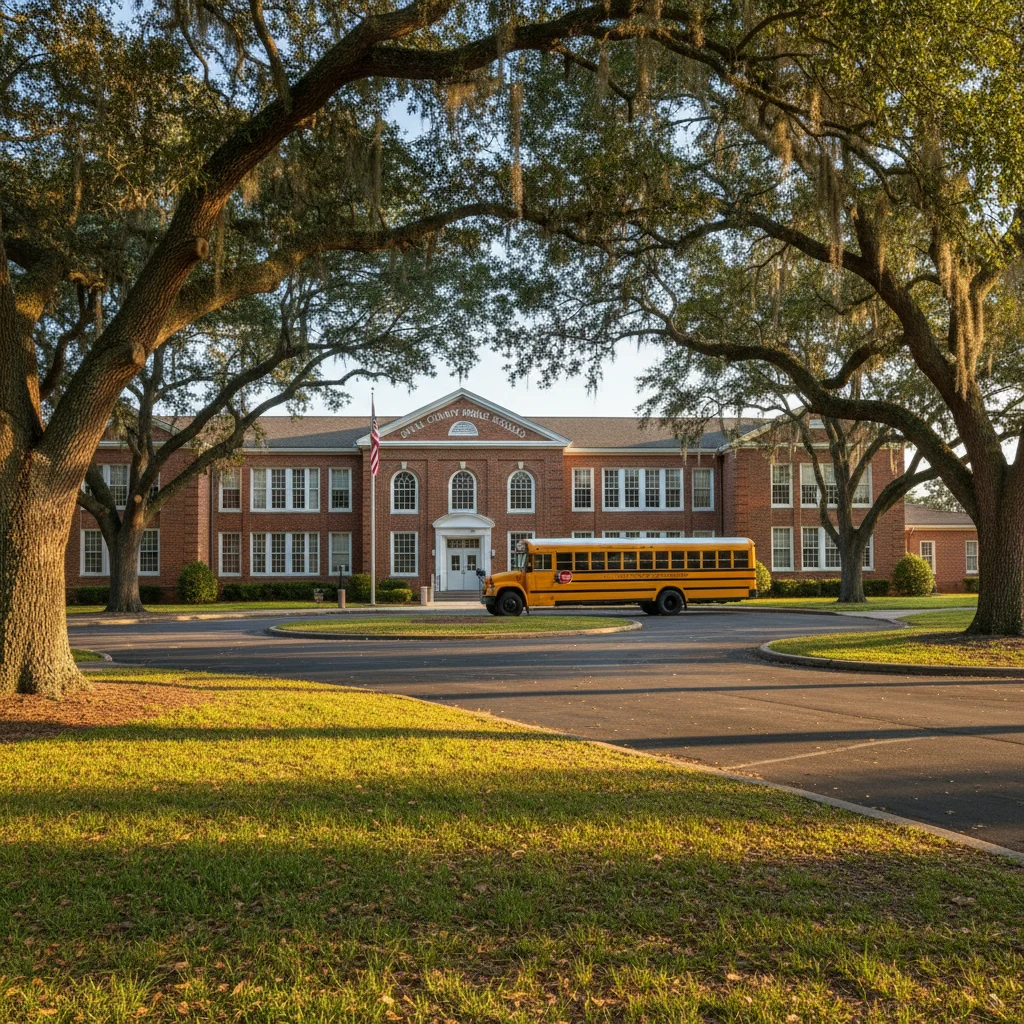
For months, the threat of school closures has hung over Jacksonville. Facing a massive budget shortfall, declining enrollment, and fierce competition from state-funded charter schools, the Duval County School Board has floated plans to consolidate dozens of campuses. Many of the schools on the chopping block are located in the urban core—the very heart of District 13.
To Nixon, this is not just an administrative budget issue. It is a direct assault on the community’s stability. “When you close a school, you do not just save a few dollars on paper,” Nixon said during a recent campaign stop at a local church. “You rip the heart out of a neighborhood. You make it harder for working moms to get their kids to class. You erase history. We cannot let that happen.”
Local parents share her anxiety. Marcus Johnson, a father of two elementary-aged children, stood on his porch talking with Nixon for nearly fifteen minutes. He worried about what a closure would mean for his daily routine. “If they shut down our neighborhood school, my kids will have to ride the bus for an hour each way,” Johnson said. “Right now, I can walk them to the front gate. Representatives like Angie are the only ones actually coming out here to ask us how this affects our lives.”
A Grassroots Strategy on the Ground
Nixon’s campaign is ignoring the high-priced, consultant-driven strategies that dominate modern politics. Instead, she is relying on old-school retail politics. Her team of volunteers is focused on direct, face-to-face contact. They are working to register new voters, hand out flyers at bus stops, and organize small-scale town halls in neighborhood backyards.
The goal is simple: connect the dots between local school board decisions and the state-level policies passed in Tallahassee. Nixon frequently points out that the funding shortages plaguing Duval County schools are a direct result of state laws that divert public tax dollars to private school vouchers.
Get Free $500 Amazon Gift Cards
“People are tired of being told there is no money for their kids,” Nixon explained. “The money is there. It is just being sent elsewhere. When we vote, we are voting to change that priority system. We are voting to keep our public schools open, fully staffed, and safe.”
- Organizing daily block-by-block neighborhood walks.
- Hosting community forums specifically addressing the school board budget crisis.
- Mobilizing local college students and youth groups for early voting drives.
- Coordinating transportation to the polls for elderly and disabled residents.
Overcoming Voter Apathy
Mobilizing voters in mid-term elections is always an uphill battle, especially in districts that have historically felt neglected. Many residents express a deep-seated skepticism about whether their vote actually changes anything. Nixon is tackling this apathy head-on by being present, listening, and refusing to sugarcoat the challenges.
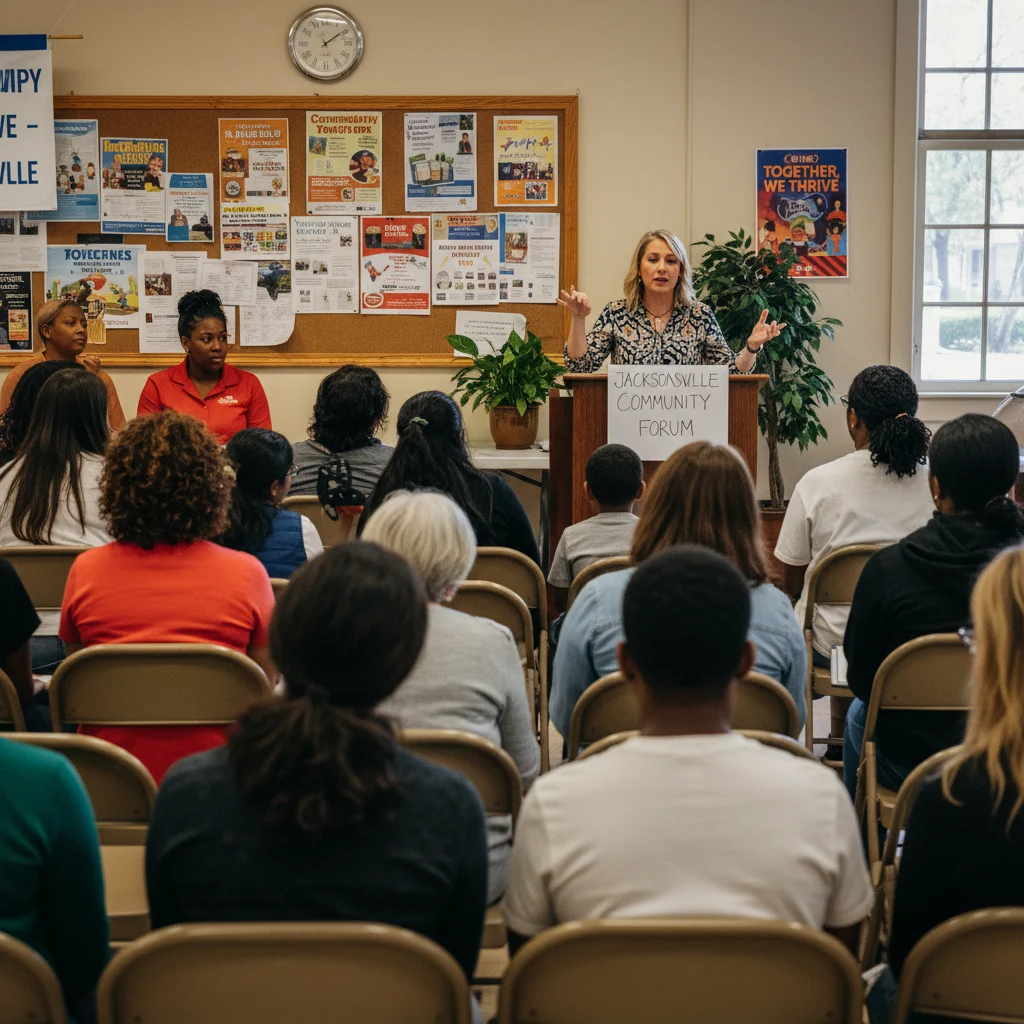
During a campaign rally at a local community center, Nixon addressed a crowd of about seventy residents. The room was warm, filled with the smell of fried fish and the sound of quiet agreement. She did not deliver a polished, rehearsed speech. Instead, she spoke plain truths about the power of local representation.
“I know you are tired,” Nixon told the crowd. “I am tired too. But sitting this out is exactly what they want us to do. If we do not show up, they will close our schools, they will ignore our roads, and they will decide our future without us. We have to make our voices too loud to ignore.”
What the November Election Means for Jacksonville
The outcome of the District 13 race will have statewide implications. As one of the most vocal progressives in the Florida Legislature, Nixon has often clashed with the Republican supermajority in Tallahassee. Her reelection is seen as vital for maintaining a strong, unapologetic voice for Duval County’s working class.
But for the voters of District 13, the stakes are far more immediate. It is about whether their children will have a school to go to next year. It is about whether their neighborhoods will continue to have a advocate who understands their struggles firsthand. As the sun began to set on another long day of campaigning, Nixon remained optimistic. She believes the energy on the ground is shifting, driven by a shared determination to protect the community’s future.